Books for Arab American Heritage Month
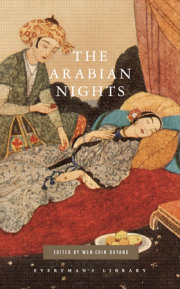
In honor of Arab American Heritage Month in April, we are sharing books by Arab and Arab American authors that share their culture, history, and personal lives.
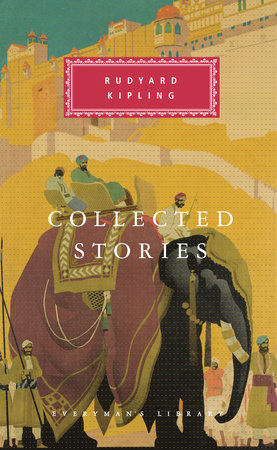
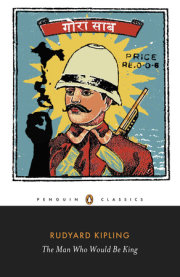
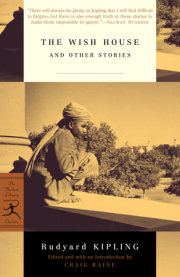
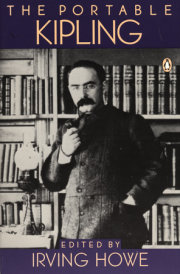
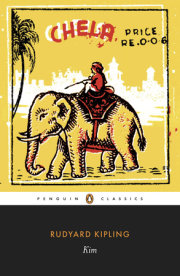
As a young writer living in Lahore during the time of the British Raj, Rudyard Kipling (1865–1936) was possessed by an enormous subject—India—and his genius for rendering its beauty and strangeness was even then so fully formed that we have to look to the likes of Shakespeare and Dickens to find writers equally precocious. What is even more astonishing, and what this selection of stories from across his entire career reveals, is the way that his talent grew and developed over time. The work he did toward the end of his long writing life is even better than that which marked its splendid beginnings.
The forty stories collected here range across a surprising variety of subjects and techniques. Here are his superb war stories, “Mary Postgate,” “The Gardener,” and “The Drums of the Fore and Aft,” as well as his famous forays into horror in “The Mark of the Beast,” science fiction in “With the Night Mail,” and the ghost story in “The House Surgeon.” “The Man Who Would Be King” is an unforgettable adventure tale, “‘Love-o’-Women’” and “Without Benefit of Clergy” reveal his insight into love and passion, and “Baa Baa, Black Sheep” is a searing revisiting of Kipling’s childhood trauma. From the nightmarish allegory of “The Strange Ride of Morrowbie Jukes” and the mystical visions in “The Bridge-Builders” to the brilliant portrait of obsession and sacrifice in his masterpiece, “The Wish House,” these stories showcase Kipling’s remarkable narrative gifts.
As a young writer living in Lahore during the time of the British Raj, Rudyard Kipling (1865–1936) was possessed by an enormous subject—India—and his genius for rendering its beauty and strangeness was even then so fully formed that we have to look to the likes of Shakespeare and Dickens to find writers equally precocious. What is even more astonishing, and what this selection of stories from across his entire career reveals, is the way that his talent grew and developed over time. The work he did toward the end of his long writing life is even better than that which marked its splendid beginnings.
The forty stories collected here range across a surprising variety of subjects and techniques. Here are his superb war stories, “Mary Postgate,” “The Gardener,” and “The Drums of the Fore and Aft,” as well as his famous forays into horror in “The Mark of the Beast,” science fiction in “With the Night Mail,” and the ghost story in “The House Surgeon.” “The Man Who Would Be King” is an unforgettable adventure tale, “‘Love-o’-Women’” and “Without Benefit of Clergy” reveal his insight into love and passion, and “Baa Baa, Black Sheep” is a searing revisiting of Kipling’s childhood trauma. From the nightmarish allegory of “The Strange Ride of Morrowbie Jukes” and the mystical visions in “The Bridge-Builders” to the brilliant portrait of obsession and sacrifice in his masterpiece, “The Wish House,” these stories showcase Kipling’s remarkable narrative gifts.

In honor of Arab American Heritage Month in April, we are sharing books by Arab and Arab American authors that share their culture, history, and personal lives.
For National Poetry Month in April, we are sharing poetry collections and books about poetry by authors who have their own stories to tell. These poets delve into history, reimagine the present, examine poetry itself—from traditional poems many know and love to poems and voices that are new and original.