
Books for Arab American Heritage Month
In honor of Arab American Heritage Month in April, we are sharing books by Arab and Arab American authors that share their culture, history, and personal lives.


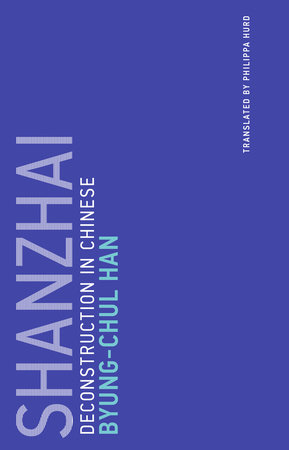
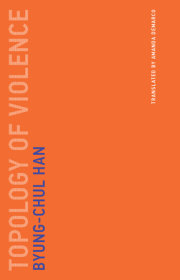
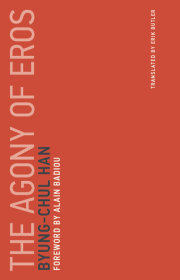
Shanzhai is a Chinese neologism that means “fake,” originally coined to describe knock-off cell phones marketed under such names as Nokir and Samsing. These cell phones were not crude forgeries but multifunctional, stylish, and as good as or better than the originals. Shanzhai has since spread into other parts of Chinese life, with shanzhai books, shanzhai politicians, shanzhai stars. There is a shanzhai Harry Potter: Harry Potter and the Porcelain Doll, in which Harry takes on his nemesis Yandomort. In the West, this would be seen as piracy, or even desecration, but in Chinese culture, originals are continually transformed—deconstructed. In this volume in the Untimely Meditations series, Byung-Chul Han traces the thread of deconstruction, or “decreation,” in Chinese thought, from ancient masterpieces that invite inscription and transcription to Maoism—“a kind a shanzhai Marxism,” Han writes.
Han discusses the Chinese concepts of quan, or law, which literally means the weight that slides back and forth on a scale, radically different from Western notions of absoluteness; zhen ji, or original, determined not by an act of creation but by unending process; xian zhan, or seals of leisure, affixed by collectors and part of the picture's composition; fuzhi, or copy, a replica of equal value to the original; and shanzhai. The Far East, Han writes, is not familiar with such “pre-deconstructive” factors as original or identity. Far Eastern thought begins with deconstruction.
Shanzhai is a Chinese neologism that means “fake,” originally coined to describe knock-off cell phones marketed under such names as Nokir and Samsing. These cell phones were not crude forgeries but multifunctional, stylish, and as good as or better than the originals. Shanzhai has since spread into other parts of Chinese life, with shanzhai books, shanzhai politicians, shanzhai stars. There is a shanzhai Harry Potter: Harry Potter and the Porcelain Doll, in which Harry takes on his nemesis Yandomort. In the West, this would be seen as piracy, or even desecration, but in Chinese culture, originals are continually transformed—deconstructed. In this volume in the Untimely Meditations series, Byung-Chul Han traces the thread of deconstruction, or “decreation,” in Chinese thought, from ancient masterpieces that invite inscription and transcription to Maoism—“a kind a shanzhai Marxism,” Han writes.
Han discusses the Chinese concepts of quan, or law, which literally means the weight that slides back and forth on a scale, radically different from Western notions of absoluteness; zhen ji, or original, determined not by an act of creation but by unending process; xian zhan, or seals of leisure, affixed by collectors and part of the picture's composition; fuzhi, or copy, a replica of equal value to the original; and shanzhai. The Far East, Han writes, is not familiar with such “pre-deconstructive” factors as original or identity. Far Eastern thought begins with deconstruction.



In honor of Arab American Heritage Month in April, we are sharing books by Arab and Arab American authors that share their culture, history, and personal lives.
For National Poetry Month in April, we are sharing poetry collections and books about poetry by authors who have their own stories to tell. These poets delve into history, reimagine the present, examine poetry itself—from traditional poems many know and love to poems and voices that are new and original.
/