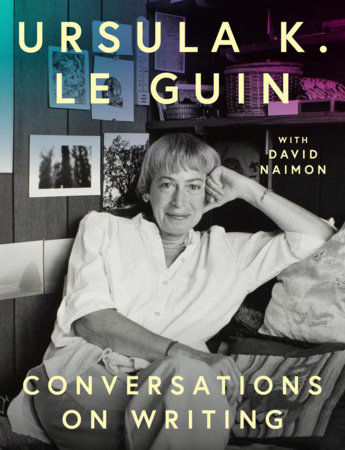

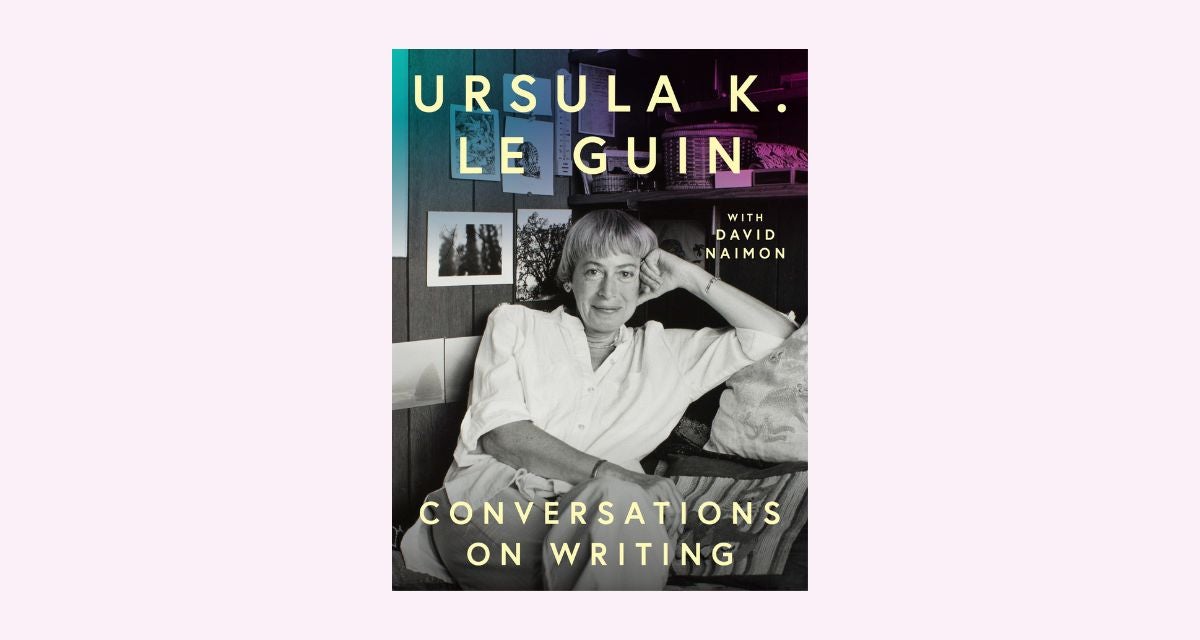
For sixteen years I’ve hosted the long-form literary podcast Between the Covers and a large number of my listeners are themselves writers and art-makers, translators, teachers, social scientists and academics. I’ve found that one question that listeners are particularly interested in hearing my guests speak to at length, regardless of what genre or discipline they write within, is some variant of: What is writing for? What is the relationship of art-making, in language, to the world we live in? Can writing play a role in making the world we want to be a part of? And if so, how?
For many young people entering university, regardless of their pursuits, whether in the humanities or outside of them, the future feels foreshortened. Inheriting a world of unchecked global warming, the dismantling of civil society and the public commons, the rollback of hard-won rights, the retreat in many places to a chauvinistic nationalism, leaves many looking for solid ground from which to build a life of meaning.
It comes as no surprise to me that my conversations with Ursula K. Le Guin, in particular, are ones where listeners find that solid ground. Le Guin, over the course of a half century of writing, engaged deeply with questions that remain the pressing ones of our day. Questions of the place of humans in the more-than-human world; questions of class and capitalism and the promise held within imagined alternatives; and questions of gender, whether Le Guin’s notion of the mother writer or the erasure of women from the canon.
Our book, Ursula’s and mine, is about none of these things, and yet nevertheless engages deeply with all of them. Let me explain, as I believe this will speak to why Ursula K. Le Guin: Conversations on Writing would be a useful addition to your classroom. After my third and final conversation with Ursula—one each in fiction, poetry and nonfiction—I said to her “I can’t think of another writer I could’ve done this with. Not only a writer who can look back across a half century of writing, but one where we can do so together in all three genres.” And that is when she suggested we make our three conversations into this book I speak to you about today. We had established a rapport largely because I did not approach her as a legendary writer of fantasy and science fiction, asking her, like so many others had, to pontificate on the world, but instead as a craftswoman, one who was also an essayist, a translator, a literary critic and a poet, and one who cared deeply about language, both the mystery of it and the power within it when attended to well.
Much as every choice we make in the world, large and small, can either uphold the status quo, or be one small step toward changing it into something better, Ursula believed these same choices happened at the level of the sentence or the line as well. That there were political and societal questions within our choices here—of what point of view or tense we adopt to tell the story we want to tell; what sentence structure we choose to use; how we employ pronouns and more. Even the length of our sentences places us within a history, a lineage, a politics too. Le Guin shows us that ecological concerns, questions of class and power, and of the rights of women, and of all people kept at the margins of history and culture-making, are encountered here in language and the choices we make with words.
Ursula once said “We live in capitalism, its power seems inescapable — but then, so did the divine right of kings. Any human power can be resisted and changed by human beings. Resistance and change often begin in art. Very often in our art, the art of words.” And she also said, “I think the imagination is the single most useful tool mankind possesses. It beats the opposable thumb. I can imagine living without my thumbs, but not without my imagination.”
One of the wonders of spending time with Ursula, attending to words with her, is that she shows us how the sentence, the line are sites of imaginative possibility, places of agency, opportunities to open the door to a future the writer, or writing student, hadn’t imagined before, and word by word, bring that imagined world into being.
David Naimon is a writer and host of the podcast Between The Covers in Portland, Oregon. His work has appeared in Orion, AGNI, Fourth Genre, Boulevard, Tin House and more. He has received a Pushcart Prize and been reprinted in Best American Science & Nature Writing, Best Spiritual Literature and The Best Small Fictions. His podcast and writing can be found at davidnaimon.com.