











































































Books for Arab American Heritage Month
In honor of Arab American Heritage Month in April, we are sharing books by Arab and Arab American authors that share their culture, history, and personal lives.
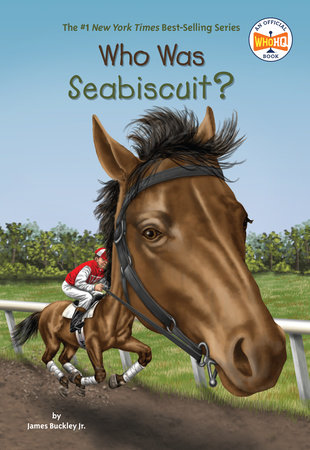
Who Was Seabiscuit?
On a foggy morning in summer 1936, horse trainer Tom Smith stood by a Boston racetrack called Suffolk Downs. He was looking for horses that his stable owner could buy. Smith watched horse after horse walk by. The horses’ riders, called jockeys, wore colorful silk shirts and bright white pants. The horses were nearly all tall, strong-looking, and elegant. They had long, straight faces and looked around proudly. Their breath came out in misty puffs in the morning air.
Smith had seen a thousand animals like them in his long career helping horses learn how to race.
Who Was Seabiscuit?
On a foggy morning in summer 1936, horse trainer Tom Smith stood by a Boston racetrack called Suffolk Downs. He was looking for horses that his stable owner could buy. Smith watched horse after horse walk by. The horses’ riders, called jockeys, wore colorful silk shirts and bright white pants. The horses were nearly all tall, strong-looking, and elegant. They had long, straight faces and looked around proudly. Their breath came out in misty puffs in the morning air.
Smith had seen a thousand animals like them in his long career helping horses learn how to race.
In honor of Arab American Heritage Month in April, we are sharing books by Arab and Arab American authors that share their culture, history, and personal lives.
For National Poetry Month in April, we are sharing poetry collections and books about poetry by authors who have their own stories to tell. These poets delve into history, reimagine the present, examine poetry itself—from traditional poems many know and love to poems and voices that are new and original.