
Books for Jewish American Heritage Month
In celebration of Jewish American Heritage Month in May, we are sharing books by authors who share their individual stories, experiences, and lives. Find our full collection of books here.


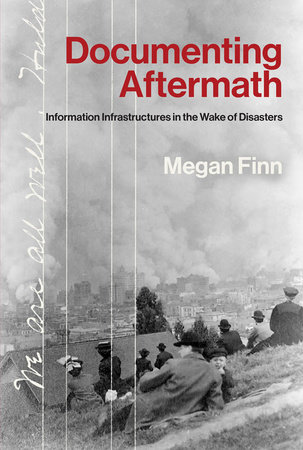
When an earthquake happens in California today, residents may look to the United States Geological Survey for online maps that show the quake's epicenter, turn to Twitter for government bulletins and the latest news, check Facebook for updates from friends and family, and count on help from the Federal Emergency Management Agency (FEMA). One hundred and fifty years ago, however, FEMA and other government agencies did not exist, and information came by telegraph and newspaper. In Documenting Aftermath, Megan Finn explores changing public information infrastructures and how they shaped people's experience of disaster, examining postearthquake information and communication practices in three Northern California earthquakes: the 1868 Hayward Fault earthquake, the 1906 San Francisco earthquake and fire, and the 1989 Loma Prieta earthquake. She then analyzes the institutions, policies, and technologies that shape today's postdisaster information landscape.
Finn argues that information orders—complex constellations of institutions, technologies, and practices—influence how we act in, experience, and document events. What Finn terms event epistemologies, constituted both by historical documents and by researchers who study them, explain how information orders facilitate particular possibilities for knowledge. After the 1868 earthquake, the Chamber of Commerce telegraphed reassurances to out-of-state investors while local newspapers ran sensational earthquake narratives; in 1906, families and institutions used innovative techniques for locating people; and in 1989, government institutions and the media developed a symbiotic relationship in information dissemination. Today, government disaster response plans and new media platforms imagine different sources of informational authority yet work together shaping disaster narratives.
When an earthquake happens in California today, residents may look to the United States Geological Survey for online maps that show the quake's epicenter, turn to Twitter for government bulletins and the latest news, check Facebook for updates from friends and family, and count on help from the Federal Emergency Management Agency (FEMA). One hundred and fifty years ago, however, FEMA and other government agencies did not exist, and information came by telegraph and newspaper. In Documenting Aftermath, Megan Finn explores changing public information infrastructures and how they shaped people's experience of disaster, examining postearthquake information and communication practices in three Northern California earthquakes: the 1868 Hayward Fault earthquake, the 1906 San Francisco earthquake and fire, and the 1989 Loma Prieta earthquake. She then analyzes the institutions, policies, and technologies that shape today's postdisaster information landscape.
Finn argues that information orders—complex constellations of institutions, technologies, and practices—influence how we act in, experience, and document events. What Finn terms event epistemologies, constituted both by historical documents and by researchers who study them, explain how information orders facilitate particular possibilities for knowledge. After the 1868 earthquake, the Chamber of Commerce telegraphed reassurances to out-of-state investors while local newspapers ran sensational earthquake narratives; in 1906, families and institutions used innovative techniques for locating people; and in 1989, government institutions and the media developed a symbiotic relationship in information dissemination. Today, government disaster response plans and new media platforms imagine different sources of informational authority yet work together shaping disaster narratives.




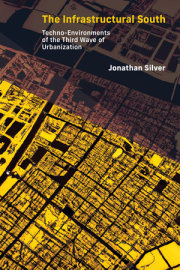


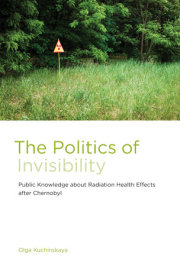


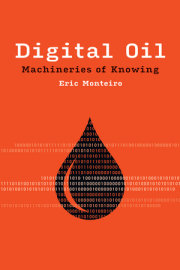

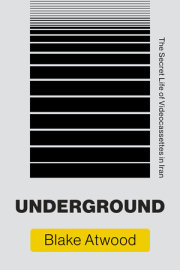











In celebration of Jewish American Heritage Month in May, we are sharing books by authors who share their individual stories, experiences, and lives. Find our full collection of books here.
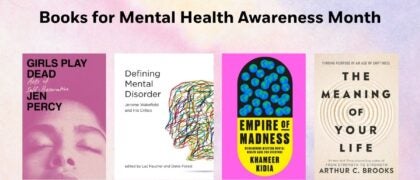
For Mental Health Awareness Month in May, we are sharing books to educate and raise awareness about mental health and the various factors that may affect it, and to provide tools and resources for student wellness. Find our full collection of titles here.
Each May, we honor the stories, histories, and cultures of Asian Americans, Native Hawaiians, and Pacific Islanders. Below is a selection of acclaimed fiction and nonfiction books by AANHPI creators to share with your students this month and throughout the year. Find our full collection of titles for Higher Education here.