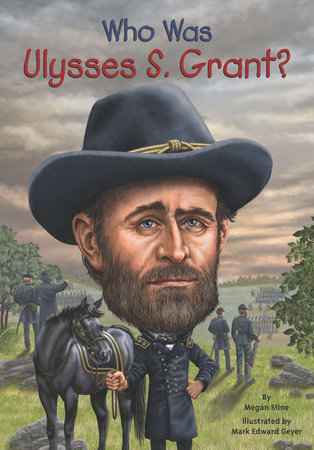
Who Was Ulysses S. Grant?It was a summer day in 1861. The Civil War—the clash between Northern and Southern states—was just beginning. A Northern officer, Colonel Ulysses S. Grant, was getting ready to lead about a thousand men into battle. That’s what he’d been trained to do. He had been an army officer for many years. He had fought in a war before.
But this was different. This was the first time Ulysses was in charge. It was the first time he was leading a huge group of men to fight—and possibly die.
As Ulysses marched along, he began to get nervous. He later wrote that his heart pounded so hard, he could feel it in his throat.
The closer he got to the Southern troops, the more frightened Ulysses became. Secretly, he wished he could stop marching. But he couldn’t do that. It was his job to keep going, no matter what happened next.
And guess what happened next: Ulysses found the enemy soldiers’ campsite. But the soldiers were gone! They had run away!
All at once, Ulysses realized something. The enemy soldiers had been just as afraid of him as he was of them.
From that day on, Ulysses S. Grant never let fear stand in his way.
Copyright © 2014 by Megan Stine. All rights reserved. No part of this excerpt may be reproduced or reprinted without permission in writing from the publisher.