
Books for Jewish American Heritage Month
In celebration of Jewish American Heritage Month in May, we are sharing books by authors who share their individual stories, experiences, and lives. Find our full collection of books here.


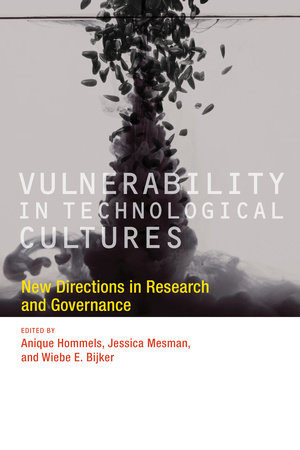
Novel technologies and scientific advancements offer not only opportunities but risks. Technological systems are vulnerable to human error and technical malfunctioning that have far-reaching consequences: one flipped switch can cause a cascading power failure across a networked electric grid. Yet, once addressed, vulnerability accompanied by coping mechanisms may yield a more flexible and resilient society. This book investigates vulnerability, in both its negative and positive aspects, in technological cultures. The contributors argue that viewing risk in terms of vulnerability offers a novel approach to understanding the risks and benefits of science and technology. Such an approach broadens conventional risk analysis by connecting to issues of justice, solidarity, and livelihood, and enabling comparisons between the global north and south.
The book explores case studies that range from agricultural practices in India to neonatal intensive care medicine in Western hospitals; these cases, spanning the issues addressed in the book, illustrate what vulnerability is and does. The book offers conceptual frameworks for empirical description and analysis of vulnerability that elucidate its ambiguity, context dependence, and constructed nature. Finally, the book addresses the implications of these analyses for the governance of vulnerability, proposing a more reflexive way of dealing with vulnerability in technological cultures.
Contributors
Marjolein van Asselt, Martin Boeckhout, Wiebe Bijker, Tessa Fox, Stephen Healy, Anique Hommels, Sheila Jasanoff, Jozef Keulartz, Jessica Mesman, Ger Palmboom, C. Shambu Prasad, Julia Quartz, Johan M. Sanne, Maartje Schermer, Teesta Setelvad, Esha Shah, Andy Stirling, Imrat Verhoeven, Esther Versluis, Shiv Visvanathan, Gerard de Vries, Ger Wackers, Dick Willems
Novel technologies and scientific advancements offer not only opportunities but risks. Technological systems are vulnerable to human error and technical malfunctioning that have far-reaching consequences: one flipped switch can cause a cascading power failure across a networked electric grid. Yet, once addressed, vulnerability accompanied by coping mechanisms may yield a more flexible and resilient society. This book investigates vulnerability, in both its negative and positive aspects, in technological cultures. The contributors argue that viewing risk in terms of vulnerability offers a novel approach to understanding the risks and benefits of science and technology. Such an approach broadens conventional risk analysis by connecting to issues of justice, solidarity, and livelihood, and enabling comparisons between the global north and south.
The book explores case studies that range from agricultural practices in India to neonatal intensive care medicine in Western hospitals; these cases, spanning the issues addressed in the book, illustrate what vulnerability is and does. The book offers conceptual frameworks for empirical description and analysis of vulnerability that elucidate its ambiguity, context dependence, and constructed nature. Finally, the book addresses the implications of these analyses for the governance of vulnerability, proposing a more reflexive way of dealing with vulnerability in technological cultures.
Contributors
Marjolein van Asselt, Martin Boeckhout, Wiebe Bijker, Tessa Fox, Stephen Healy, Anique Hommels, Sheila Jasanoff, Jozef Keulartz, Jessica Mesman, Ger Palmboom, C. Shambu Prasad, Julia Quartz, Johan M. Sanne, Maartje Schermer, Teesta Setelvad, Esha Shah, Andy Stirling, Imrat Verhoeven, Esther Versluis, Shiv Visvanathan, Gerard de Vries, Ger Wackers, Dick Willems















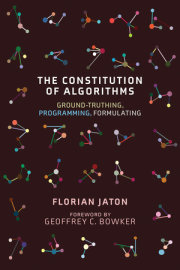







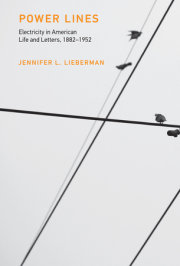









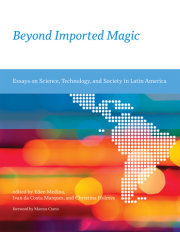
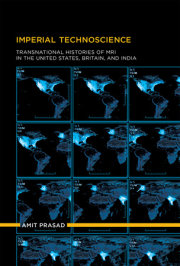

















In celebration of Jewish American Heritage Month in May, we are sharing books by authors who share their individual stories, experiences, and lives. Find our full collection of books here.
For Mental Health Awareness Month in May, we are sharing books to educate and raise awareness about mental health and the various factors that may affect it, and to provide tools and resources for student wellness. Find our full collection of titles here.
Each May, we honor the stories, histories, and cultures of Asian Americans, Native Hawaiians, and Pacific Islanders. Below is a selection of acclaimed fiction and nonfiction books by AANHPI creators to share with your students this month and throughout the year. Find our full collection of titles for Higher Education here.