
Books for Jewish American Heritage Month
In celebration of Jewish American Heritage Month in May, we are sharing books by authors who share their individual stories, experiences, and lives. Find our full collection of books here.


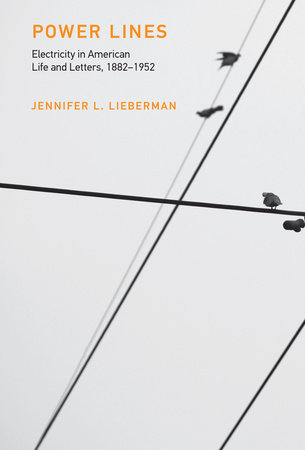
At the turn of the twentieth century, electricity emerged as a metaphor for modernity. Writers from Mark Twain to Ralph Ellison grappled with the idea of electricity as both life force (illumination) and death spark (electrocution). The idea that electrification created exclusively modern experiences took hold of Americans' imaginations, whether they welcomed or feared its adoption. In Power Lines, Jennifer Lieberman examines the apparently incompatible notions of electricity that coexisted in the American imagination, tracing how electricity became a common (though multifarious) symbol for modern life.
Lieberman examines a series of moments of technical change when electricity accrued new social meanings, plotting both power lines and the power of narrative lines in American life and literature. While discussing the social construction of electrical systems, she offers a new interpretation of Twain's use of electricity as an organizing metaphor in A Connecticut Yankee in King Arthur's Court, describes the rhetoric surrounding the invention of electric execution, analyzes Charlotte Perkins Gilman's call for human connection in her utopian writing and in her little-known Human Work, considers the theme of electrical interconnection in Jack London's work, and shows how Ralph Ellison and Louis Mumford continued the literary tradition of electrical metaphor.
Electrical power was a distinctive concept in American literary, cultural, and technological histories. For this reason, narratives about electricity were particularly evocative. Bridging the realistic and the romantic, the historical and the fantastic, these stories guide us to ask new questions about our enduring fascination with electricity and all it came to represent.
At the turn of the twentieth century, electricity emerged as a metaphor for modernity. Writers from Mark Twain to Ralph Ellison grappled with the idea of electricity as both life force (illumination) and death spark (electrocution). The idea that electrification created exclusively modern experiences took hold of Americans' imaginations, whether they welcomed or feared its adoption. In Power Lines, Jennifer Lieberman examines the apparently incompatible notions of electricity that coexisted in the American imagination, tracing how electricity became a common (though multifarious) symbol for modern life.
Lieberman examines a series of moments of technical change when electricity accrued new social meanings, plotting both power lines and the power of narrative lines in American life and literature. While discussing the social construction of electrical systems, she offers a new interpretation of Twain's use of electricity as an organizing metaphor in A Connecticut Yankee in King Arthur's Court, describes the rhetoric surrounding the invention of electric execution, analyzes Charlotte Perkins Gilman's call for human connection in her utopian writing and in her little-known Human Work, considers the theme of electrical interconnection in Jack London's work, and shows how Ralph Ellison and Louis Mumford continued the literary tradition of electrical metaphor.
Electrical power was a distinctive concept in American literary, cultural, and technological histories. For this reason, narratives about electricity were particularly evocative. Bridging the realistic and the romantic, the historical and the fantastic, these stories guide us to ask new questions about our enduring fascination with electricity and all it came to represent.





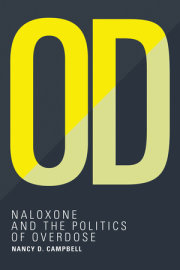

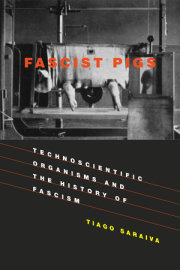
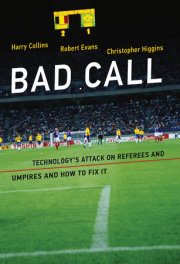
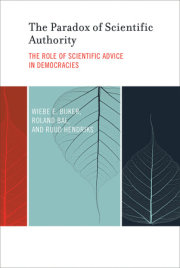


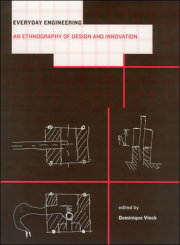
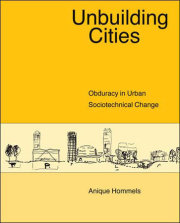
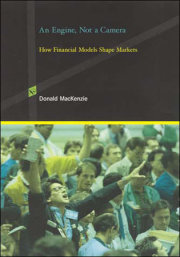
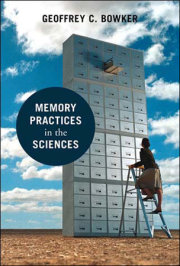

In celebration of Jewish American Heritage Month in May, we are sharing books by authors who share their individual stories, experiences, and lives. Find our full collection of books here.
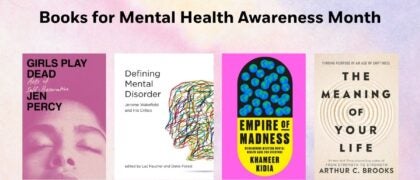
For Mental Health Awareness Month in May, we are sharing books to educate and raise awareness about mental health and the various factors that may affect it, and to provide tools and resources for student wellness. Find our full collection of titles here.
Each May, we honor the stories, histories, and cultures of Asian Americans, Native Hawaiians, and Pacific Islanders. Below is a selection of acclaimed fiction and nonfiction books by AANHPI creators to share with your students this month and throughout the year. Find our full collection of titles for Higher Education here.