
Books for Arab American Heritage Month
In honor of Arab American Heritage Month in April, we are sharing books by Arab and Arab American authors that share their culture, history, and personal lives.


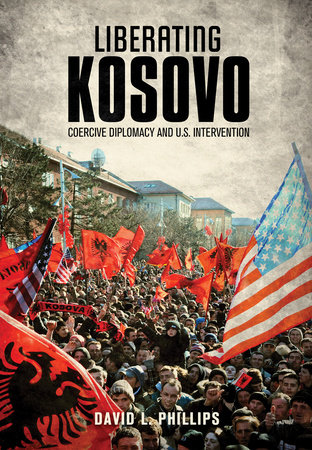
Kosovo, after its incorporation into the Serbian Republic of Yugoslavia, became increasingly restive during the 1990s as Yugoslavia plunged into internal war and Kosovo's ethnic Albanian residents (Kosovars) sought autonomy. In March 1999, NATO forces began airstrikes against targets in Kosovo and Serbia in an effort to protect Kosovars against persecution. The bombing campaign ended in June 1999, and Kosovo was placed under transitional UN administration while negotiations on its status ensued. Kosovo eventually declared independence in 2008. Despite internal political tension and economic problems, the new nation has been recognized by many other countries and most of its inhabitants welcome its separation from Serbia.
In Liberating Kosovo, David Phillips offers a compelling account of the negotiations and military actions that culminated in Kosovo's independence. Drawing on his own participation in the diplomatic process and interviews with leading participants, Phillips chronicles Slobodan Milosevic's rise to power, the sufferings of the Kosovars, and the events that led to the disintegration of Yugoslavia. He analyzes how NATO, the United Nations, and the United States employed diplomacy, aerial bombing, and peacekeeping forces to set in motion the process that led to independence for Kosovo. He also offers important insights into a critical issue in contemporary international politics: how and when the United States, other nations, and NGOs should act to prevent ethnic cleansing and severe human-rights abuses.
Phillips' subjective version of the recent history of Kosovo has strengths that a self-consciously objective analysis would probably lack. It provides an authentic account of the motivations of the policymakers involved [and] it makes it easier to identify heroes: The author populates his narrative with larger-than-life portraits of Richard Holbrooke, Martti Ahtisaari, and Soren Jessen-Petersen.
—Erik Jones, Survivor—David Phillips has produced a great diplomatic history about the U.S. Intervention in the Balkans and the subsequent independence of Kosovo.
—James Cricks, Military Review—Kosovo, after its incorporation into the Serbian Republic of Yugoslavia, became increasingly restive during the 1990s as Yugoslavia plunged into internal war and Kosovo's ethnic Albanian residents (Kosovars) sought autonomy. In March 1999, NATO forces began airstrikes against targets in Kosovo and Serbia in an effort to protect Kosovars against persecution. The bombing campaign ended in June 1999, and Kosovo was placed under transitional UN administration while negotiations on its status ensued. Kosovo eventually declared independence in 2008. Despite internal political tension and economic problems, the new nation has been recognized by many other countries and most of its inhabitants welcome its separation from Serbia.
In Liberating Kosovo, David Phillips offers a compelling account of the negotiations and military actions that culminated in Kosovo's independence. Drawing on his own participation in the diplomatic process and interviews with leading participants, Phillips chronicles Slobodan Milosevic's rise to power, the sufferings of the Kosovars, and the events that led to the disintegration of Yugoslavia. He analyzes how NATO, the United Nations, and the United States employed diplomacy, aerial bombing, and peacekeeping forces to set in motion the process that led to independence for Kosovo. He also offers important insights into a critical issue in contemporary international politics: how and when the United States, other nations, and NGOs should act to prevent ethnic cleansing and severe human-rights abuses.
Phillips' subjective version of the recent history of Kosovo has strengths that a self-consciously objective analysis would probably lack. It provides an authentic account of the motivations of the policymakers involved [and] it makes it easier to identify heroes: The author populates his narrative with larger-than-life portraits of Richard Holbrooke, Martti Ahtisaari, and Soren Jessen-Petersen.
—Erik Jones, Survivor—David Phillips has produced a great diplomatic history about the U.S. Intervention in the Balkans and the subsequent independence of Kosovo.
—James Cricks, Military Review—

In honor of Arab American Heritage Month in April, we are sharing books by Arab and Arab American authors that share their culture, history, and personal lives.
For National Poetry Month in April, we are sharing poetry collections and books about poetry by authors who have their own stories to tell. These poets delve into history, reimagine the present, examine poetry itself—from traditional poems many know and love to poems and voices that are new and original.