
Books for Arab American Heritage Month
In honor of Arab American Heritage Month in April, we are sharing books by Arab and Arab American authors that share their culture, history, and personal lives.


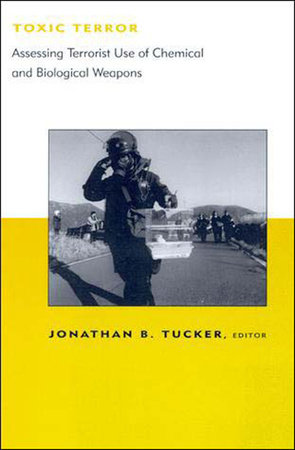
Policymakers, scholars, and the news media have been alarmed by the potential for chemical and biological weapons (CBW) terrorism, and the U.S. Congress has allocated billions of dollars for counterterrorism and "consequence management" programs. Driving these concerns are the global spread of scientific knowledge and technology relevant to CBW terrorism and the vulnerability of civilian populations to chemical and biological attacks.
Notably lacking from the analysis, however, has been a careful assessment of the terrorists themselves. What types of terrorist groups or individuals are both capable of acquiring chemical and biological weapons and motivated to use them, and for what purposes? Further, what types of toxic agents would probably be produced, and how would they be delivered?
Answers to these questions would enable policymakers to prepare for the most likely contingencies. To this end, Toxic Terror provides in-depth case studies of twelve terrorist groups and individuals who, from 1946 to 1998, allegedly acquired or employed CBW agents. The cases were researched from primary sources, including court documents, interviews, and declassified government files.
By comparing the twelve cases, the book identifies characteristic motivations and patterns of behavior associated with CBW terrorism and provides an empirical basis for prudent, cost-effective strategies of prevention and response.
Policymakers, scholars, and the news media have been alarmed by the potential for chemical and biological weapons (CBW) terrorism, and the U.S. Congress has allocated billions of dollars for counterterrorism and "consequence management" programs. Driving these concerns are the global spread of scientific knowledge and technology relevant to CBW terrorism and the vulnerability of civilian populations to chemical and biological attacks.
Notably lacking from the analysis, however, has been a careful assessment of the terrorists themselves. What types of terrorist groups or individuals are both capable of acquiring chemical and biological weapons and motivated to use them, and for what purposes? Further, what types of toxic agents would probably be produced, and how would they be delivered?
Answers to these questions would enable policymakers to prepare for the most likely contingencies. To this end, Toxic Terror provides in-depth case studies of twelve terrorist groups and individuals who, from 1946 to 1998, allegedly acquired or employed CBW agents. The cases were researched from primary sources, including court documents, interviews, and declassified government files.
By comparing the twelve cases, the book identifies characteristic motivations and patterns of behavior associated with CBW terrorism and provides an empirical basis for prudent, cost-effective strategies of prevention and response.
In honor of Arab American Heritage Month in April, we are sharing books by Arab and Arab American authors that share their culture, history, and personal lives.
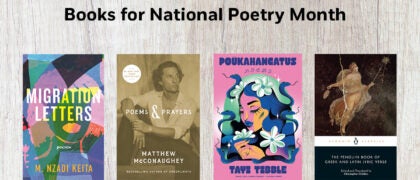
For National Poetry Month in April, we are sharing poetry collections and books about poetry by authors who have their own stories to tell. These poets delve into history, reimagine the present, examine poetry itself—from traditional poems many know and love to poems and voices that are new and original.
/