Books for Jewish American Heritage Month
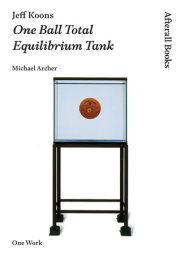
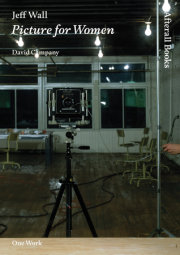
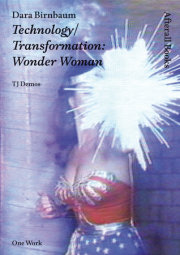
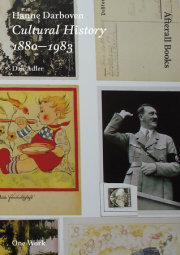
In celebration of Jewish American Heritage Month in May, we are sharing books by authors who share their individual stories, experiences, and lives. Find our full collection of books here.
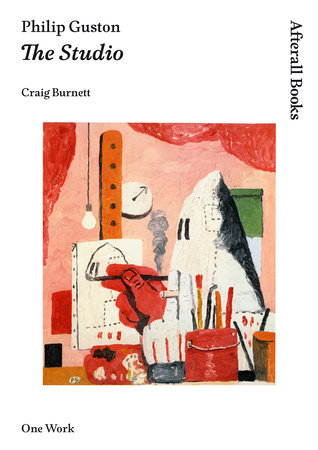
Throughout his career, Philip Guston's work metamorphosed from figural to abstract and back to figural. In the 1950s, Guston (1913–1980) produced a body of shimmering abstract paintings that made him—along with Willem de Kooning, Jackson Pollock, and Franz Kline—an influential abstract expressionist of the “gestural” tendency. In the late 1960s, with works like The Studio came his most radical shift. Drawing from the imagery of his early murals and from elements in his later drawings, ignoring the prevailing “coolness” of Minimalism and antiform abstraction, Guston invented for these late works a cast of cartoon-like characters to articulate a vision that was at once comic, crude, and complex. In The Studio, Guston offers a darkly comic portrait of the artist as a hooded Ku Klux Klansman, painting a self-portrait.
In this concise and generously illustrated book, Craig Burnett examines The Studio in detail. He describes the historical and personal motivations for Guston's return to figuration and the (mostly negative) critical reaction to the work from Hilton Kramer and others. He looks closely at the structure of The Studio, and at the influence of Piero della Francesca, Manet, and Krazy Kat, among others; and he considers the importance of the column of smoke in the painting—as a compositional device and as a ghost of abstraction and metaphysics. The Studio signals not only Guston's own artistic evolution but a broader shift, from the medium-centric and teleological claim of modernism to the discursive, carnivalesque, and mucky world of postmodernism.

Throughout his career, Philip Guston's work metamorphosed from figural to abstract and back to figural. In the 1950s, Guston (1913–1980) produced a body of shimmering abstract paintings that made him—along with Willem de Kooning, Jackson Pollock, and Franz Kline—an influential abstract expressionist of the “gestural” tendency. In the late 1960s, with works like The Studio came his most radical shift. Drawing from the imagery of his early murals and from elements in his later drawings, ignoring the prevailing “coolness” of Minimalism and antiform abstraction, Guston invented for these late works a cast of cartoon-like characters to articulate a vision that was at once comic, crude, and complex. In The Studio, Guston offers a darkly comic portrait of the artist as a hooded Ku Klux Klansman, painting a self-portrait.
In this concise and generously illustrated book, Craig Burnett examines The Studio in detail. He describes the historical and personal motivations for Guston's return to figuration and the (mostly negative) critical reaction to the work from Hilton Kramer and others. He looks closely at the structure of The Studio, and at the influence of Piero della Francesca, Manet, and Krazy Kat, among others; and he considers the importance of the column of smoke in the painting—as a compositional device and as a ghost of abstraction and metaphysics. The Studio signals not only Guston's own artistic evolution but a broader shift, from the medium-centric and teleological claim of modernism to the discursive, carnivalesque, and mucky world of postmodernism.
In celebration of Jewish American Heritage Month in May, we are sharing books by authors who share their individual stories, experiences, and lives. Find our full collection of books here.
For Mental Health Awareness Month in May, we are sharing books to educate and raise awareness about mental health and the various factors that may affect it, and to provide tools and resources for student wellness. Find our full collection of titles here.
Each May, we honor the stories, histories, and cultures of Asian Americans, Native Hawaiians, and Pacific Islanders. Below is a selection of acclaimed fiction and nonfiction books by AANHPI creators to share with your students this month and throughout the year. Find our full collection of titles for Higher Education here.