
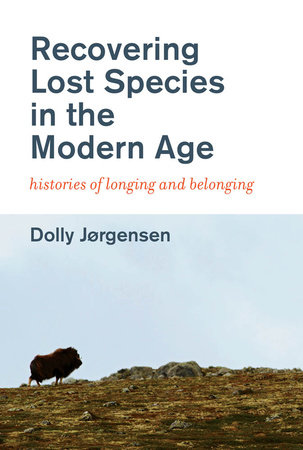






Recovering Lost Species in the Modern Age

Histories of Longing and Belonging

Ebook
On sale Oct 29, 2019 | 256 Pages | 9780262355728

See Additional Formats
A groundbreaking study of how emotions motivate attempts to counter species loss.

This groundbreaking book brings together environmental history and the history of emotions to examine the motivations behind species conservation actions. In Recovering Lost Species in the Modern Age, Dolly Jørgensen uses the environmental histories of reintroduction, rewilding, and resurrection to view the modern conservation paradigm of the recovery of nature as an emotionally charged practice. Jørgensen argues that the recovery of nature—identifying that something is lost and then going out to find it and bring it back—is a nostalgic practice that looks to a historical past and relies on the concept of belonging to justify future-oriented action. The recovery impulse depends on emotional responses to what is lost, particularly a longing for recovery that manifests itself in such emotions as guilt, hope, fear, and grief.

Jørgensen explains why emotional frameworks matter deeply—both for how people understand nature theoretically and how they interact with it physically. The identification of what belongs (the lost nature) and our longing (the emotional attachment to it) in the present will affect how environmental restoration practices are carried out in the future. A sustainable future will depend on questioning how and why belonging and longing factor into the choices we make about what to recover.

Dolly Jørgensen is Professor of History in the Department of Cultural Studies and Languages at University of Stavanger, Norway. She is the coeditor of Visions of North in Premodern Europe, New Natures: Joining Environmental History with Science and Technology Studies, and Northscapes: History, Technology, and the Making of Northern Environments.

About

A groundbreaking study of how emotions motivate attempts to counter species loss.

This groundbreaking book brings together environmental history and the history of emotions to examine the motivations behind species conservation actions. In Recovering Lost Species in the Modern Age, Dolly Jørgensen uses the environmental histories of reintroduction, rewilding, and resurrection to view the modern conservation paradigm of the recovery of nature as an emotionally charged practice. Jørgensen argues that the recovery of nature—identifying that something is lost and then going out to find it and bring it back—is a nostalgic practice that looks to a historical past and relies on the concept of belonging to justify future-oriented action. The recovery impulse depends on emotional responses to what is lost, particularly a longing for recovery that manifests itself in such emotions as guilt, hope, fear, and grief.

Jørgensen explains why emotional frameworks matter deeply—both for how people understand nature theoretically and how they interact with it physically. The identification of what belongs (the lost nature) and our longing (the emotional attachment to it) in the present will affect how environmental restoration practices are carried out in the future. A sustainable future will depend on questioning how and why belonging and longing factor into the choices we make about what to recover.

Author

Dolly Jørgensen is Professor of History in the Department of Cultural Studies and Languages at University of Stavanger, Norway. She is the coeditor of Visions of North in Premodern Europe, New Natures: Joining Environmental History with Science and Technology Studies, and Northscapes: History, Technology, and the Making of Northern Environments.

Books for Women’s History Month

In honor of Women’s History Month in March, we are sharing books by women who have shaped history and have fought for their communities. Our list includes books about women who fought for racial justice, abortion rights, equality in the workplace, and ranges in topics from women in politics and prominent women in history to

Read more