

Winner of the Nobel Prize 

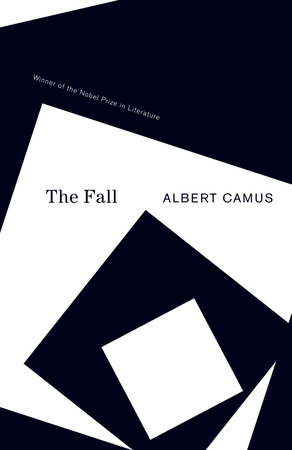
Mordant, brilliant, elegantly styled, The Fall is a novel of the conscience of modern man in the face of evil. In a seedy bar in Amsterdam, Clamence, an expatriate Frenchman, indulges in a calculated confession. He recalls his past life as a respected Parisian lawyer, a champion of noble causes, and, privately, a libertine—yet one apparently immune to judgment. As his narrative unfolds, ambiguities amass; every triumph reveals a failure, every motive a hidden treachery.

Translated by Justin O’Brien.
  • WINNER | 1957
    Nobel Prize
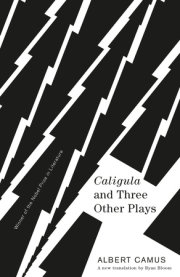
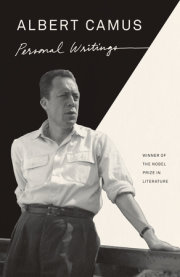
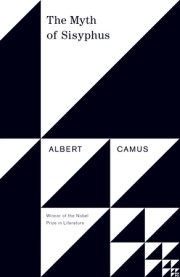
ALBERT CAMUS was born in Algeria in 1913. He spent the early years of his life in North Africa, where he became a journalist. During World War II, he was one of the leading writers of the French Resistance and an editor of Combat, an underground newspaper he helped found. His fiction, including The Stranger, The Plague, The Fall, and Exile and the Kingdom; his philosophical essays The Myth of Sisyphus and The Rebel and his plays The Just Assassins, The Misunderstanding, and Caligula have assured his preeminent position in modern literature and philosophy. In 1957, Camus was awarded the Nobel Prize in Literature. On January 4, 1960, he was killed in a car accident. View titles by Albert Camus

About

Winner of the Nobel Prize 

Mordant, brilliant, elegantly styled, The Fall is a novel of the conscience of modern man in the face of evil. In a seedy bar in Amsterdam, Clamence, an expatriate Frenchman, indulges in a calculated confession. He recalls his past life as a respected Parisian lawyer, a champion of noble causes, and, privately, a libertine—yet one apparently immune to judgment. As his narrative unfolds, ambiguities amass; every triumph reveals a failure, every motive a hidden treachery.

Translated by Justin O’Brien.

Awards

  • WINNER | 1957
    Nobel Prize

Author

ALBERT CAMUS was born in Algeria in 1913. He spent the early years of his life in North Africa, where he became a journalist. During World War II, he was one of the leading writers of the French Resistance and an editor of Combat, an underground newspaper he helped found. His fiction, including The Stranger, The Plague, The Fall, and Exile and the Kingdom; his philosophical essays The Myth of Sisyphus and The Rebel and his plays The Just Assassins, The Misunderstanding, and Caligula have assured his preeminent position in modern literature and philosophy. In 1957, Camus was awarded the Nobel Prize in Literature. On January 4, 1960, he was killed in a car accident. View titles by Albert Camus

Books for Women’s History Month

In honor of Women’s History Month in March, we are sharing books by women who have shaped history and have fought for their communities. Our list includes books about women who fought for racial justice, abortion rights, equality in the workplace, and ranges in topics from women in politics and prominent women in history to

Read more