
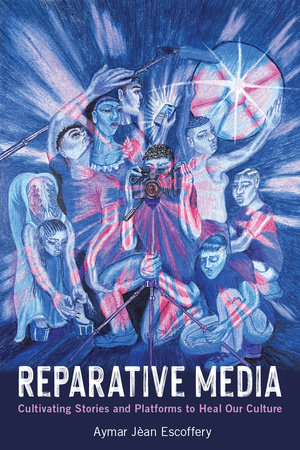
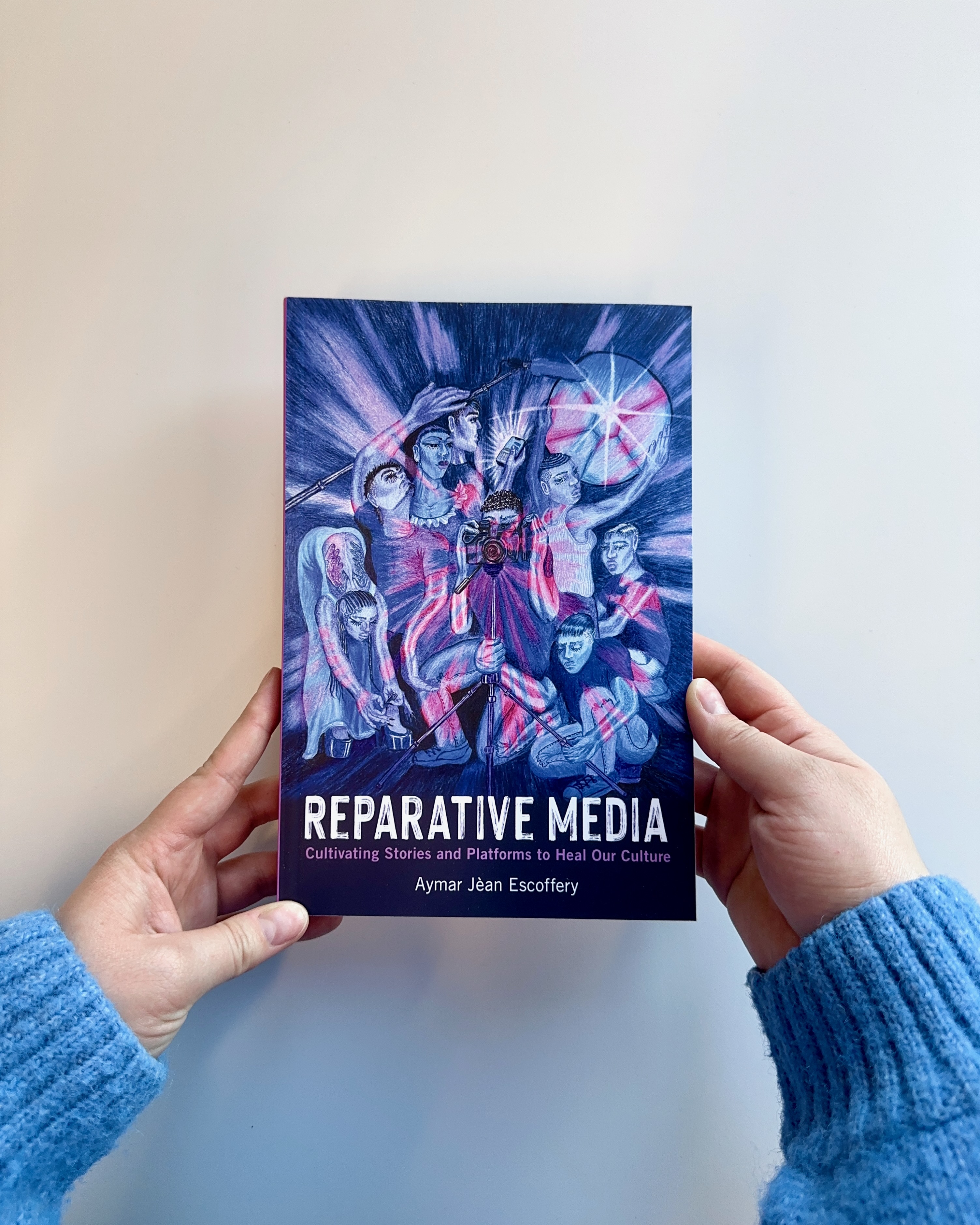



Reparative Media

Cultivating Stories and Platforms to Heal Our Culture

Look inside
Paperback
$45.00 US
On sale Dec 16, 2025 | 312 Pages | 9780262553261

See Additional Formats
How to repair our culture by reimagining how we make media and use technology to connect with one another.

Can producing stories and developing platforms to support people who have been harmed by multiple, intersecting systems heal those systems? In Reparative Media, Aymar Jèan Escoffery argues that this is exactly how we repair our culture and heal harms from racism, sexism, classism, homophobia, transphobia, ableism, and religious discrimination: by reconsidering how we make media, how we connect through technology, and how we generate knowledge.

Based on five years of deep, complex work cocreating an independent alternative to platforms like Netflix and YouTube, the author reveals the process behind developing OTV | Open Television to stream stories by diverse creators. The book shows that planting seeds for a more community-based media and tech ecosystem can also reform corporate systems better than so-called diversity, equity, and inclusion (DEI) programs, as the platform helped elevate creators on social media and in Hollywood at companies like HBO, Netflix, and more. Combining theory and practice, local production and global distribution, Chicago and Hollywood, the book paints a portrait of what a healing media ecosystem looks like—and shows how communal ways of knowing can cultivate reparative media, technology, and research that benefit everyone no matter how they identify.
Acknowledging Who I Come From: Healing Over Centuries
Introduction: Healing Systems
1 The Cookout: Serving Soulful Media
2 Reparative Research: Cultivating Knowledge outside the University System
3 Reparative Stories: Cooking Film & Television outside the Streaming Studio System
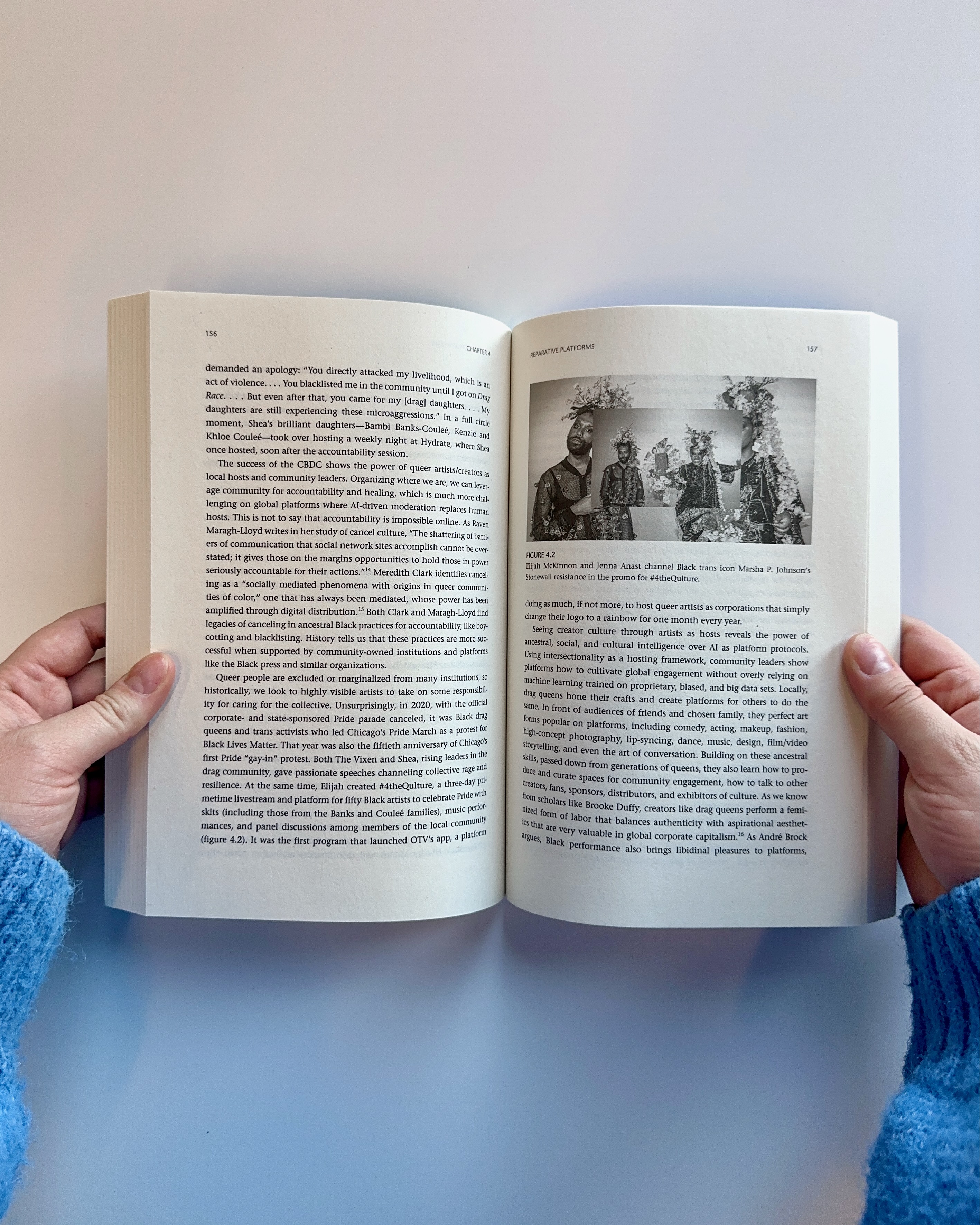
4 Reparative Platforms: Hosting Community outside Algorithmic Systems
5 Practicing Reparations: Healing Ourselves, Communities, and Industries
Epilogue: An Invitation to the Cookout
Appendix
Notes
Index
Aymar Jèan Escoffery is the Margaret Walker Professor of Communication Studies and Director of the Media and Data Equity (MADE) Lab at Northwestern University. He is the author of Open TV, cofounder of the Emmy- and Webby-nominated platform OTV | Open Television, co–executive producer of Jules Rosskam’s Sundance Award-winning Desire Lines, juror for the Peabody Awards, and affiliate of the Berkman Klein Center for Internet and Society at Harvard University.
“Aymar Jèan Escoffery is one of the most important thinkers and creators of our time. This beautifully written book is the roadmap we need to repair from the deep divisions the internet has created among us.”
—Safiya Umoja Noble, author of Algorithms of Oppression

Reparative Media harvests fruits of Aymar’s work in the academy and beyond, asking us to think with justice practices in mind as we move to create the communications infrastructure of our collective dreams!”
—Moya Bailey, author of #HashtagActivism

“An invaluable guide for doing research, telling stories, and creating reparative platforms and practices. Read this book to see how we can learn from our mistakes—rather than embed them within our algorithms.”
—Wendy Hui Kyong Chun, author of Discriminating Data

“Escoffery’s generous book radically rethinks the normative stakes of community media from the margins.”
—Paula Chakravartty, James Weldon Johnson Professor of Media Studies, NYU
additional book photo

About

How to repair our culture by reimagining how we make media and use technology to connect with one another.

Can producing stories and developing platforms to support people who have been harmed by multiple, intersecting systems heal those systems? In Reparative Media, Aymar Jèan Escoffery argues that this is exactly how we repair our culture and heal harms from racism, sexism, classism, homophobia, transphobia, ableism, and religious discrimination: by reconsidering how we make media, how we connect through technology, and how we generate knowledge.

Based on five years of deep, complex work cocreating an independent alternative to platforms like Netflix and YouTube, the author reveals the process behind developing OTV | Open Television to stream stories by diverse creators. The book shows that planting seeds for a more community-based media and tech ecosystem can also reform corporate systems better than so-called diversity, equity, and inclusion (DEI) programs, as the platform helped elevate creators on social media and in Hollywood at companies like HBO, Netflix, and more. Combining theory and practice, local production and global distribution, Chicago and Hollywood, the book paints a portrait of what a healing media ecosystem looks like—and shows how communal ways of knowing can cultivate reparative media, technology, and research that benefit everyone no matter how they identify.

Table of Contents

Acknowledging Who I Come From: Healing Over Centuries
Introduction: Healing Systems
1 The Cookout: Serving Soulful Media
2 Reparative Research: Cultivating Knowledge outside the University System
3 Reparative Stories: Cooking Film & Television outside the Streaming Studio System
4 Reparative Platforms: Hosting Community outside Algorithmic Systems
5 Practicing Reparations: Healing Ourselves, Communities, and Industries
Epilogue: An Invitation to the Cookout
Appendix
Notes
Index

Author

Aymar Jèan Escoffery is the Margaret Walker Professor of Communication Studies and Director of the Media and Data Equity (MADE) Lab at Northwestern University. He is the author of Open TV, cofounder of the Emmy- and Webby-nominated platform OTV | Open Television, co–executive producer of Jules Rosskam’s Sundance Award-winning Desire Lines, juror for the Peabody Awards, and affiliate of the Berkman Klein Center for Internet and Society at Harvard University.

Praise

“Aymar Jèan Escoffery is one of the most important thinkers and creators of our time. This beautifully written book is the roadmap we need to repair from the deep divisions the internet has created among us.”
—Safiya Umoja Noble, author of Algorithms of Oppression

Reparative Media harvests fruits of Aymar’s work in the academy and beyond, asking us to think with justice practices in mind as we move to create the communications infrastructure of our collective dreams!”
—Moya Bailey, author of #HashtagActivism

“An invaluable guide for doing research, telling stories, and creating reparative platforms and practices. Read this book to see how we can learn from our mistakes—rather than embed them within our algorithms.”
—Wendy Hui Kyong Chun, author of Discriminating Data

“Escoffery’s generous book radically rethinks the normative stakes of community media from the margins.”
—Paula Chakravartty, James Weldon Johnson Professor of Media Studies, NYU

Photos

additional book photo

Books for Women’s History Month

In honor of Women’s History Month in March, we are sharing books by women who have shaped history and have fought for their communities. Our list includes books about women who fought for racial justice, abortion rights, equality in the workplace, and ranges in topics from women in politics and prominent women in history to

Read more