













Books for Jewish American Heritage Month
In celebration of Jewish American Heritage Month in May, we are sharing books by authors who share their individual stories, experiences, and lives. Find our full collection of books here.
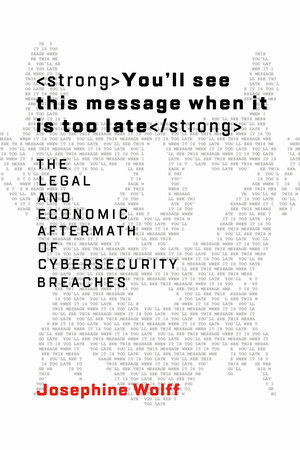
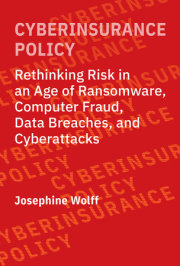
Cybersecurity incidents make the news with startling regularity. Each breach—the theft of 145.5 million Americans' information from Equifax, for example, or the Russian government's theft of National Security Agency documents, or the Sony Pictures data dump—makes headlines, inspires panic, instigates lawsuits, and is then forgotten. The cycle of alarm and amnesia continues with the next attack, and the one after that. In this book, cybersecurity expert Josephine Wolff argues that we shouldn't forget about these incidents, we should investigate their trajectory, from technology flaws to reparations for harm done to their impact on future security measures. We can learn valuable lessons in the aftermath of cybersecurity breaches.
Wolff describes a series of significant cybersecurity incidents between 2005 and 2015, mapping the entire life cycle of each breach in order to identify opportunities for defensive intervention. She outlines three types of motives underlying these attacks—financial gain, espionage, and public humiliation of the victims—that have remained consistent through a decade of cyberattacks, offers examples of each, and analyzes the emergence of different attack patterns. The enormous TJX breach in 2006, for instance, set the pattern for a series of payment card fraud incidents that led to identity fraud and extortion; the Chinese army conducted cyberespionage campaigns directed at U.S.-based companies from 2006 to 2014, sparking debate about the distinction between economic and political espionage; and the 2014 breach of the Ashley Madison website was aimed at reputations rather than bank accounts.
Cybersecurity incidents make the news with startling regularity. Each breach—the theft of 145.5 million Americans' information from Equifax, for example, or the Russian government's theft of National Security Agency documents, or the Sony Pictures data dump—makes headlines, inspires panic, instigates lawsuits, and is then forgotten. The cycle of alarm and amnesia continues with the next attack, and the one after that. In this book, cybersecurity expert Josephine Wolff argues that we shouldn't forget about these incidents, we should investigate their trajectory, from technology flaws to reparations for harm done to their impact on future security measures. We can learn valuable lessons in the aftermath of cybersecurity breaches.
Wolff describes a series of significant cybersecurity incidents between 2005 and 2015, mapping the entire life cycle of each breach in order to identify opportunities for defensive intervention. She outlines three types of motives underlying these attacks—financial gain, espionage, and public humiliation of the victims—that have remained consistent through a decade of cyberattacks, offers examples of each, and analyzes the emergence of different attack patterns. The enormous TJX breach in 2006, for instance, set the pattern for a series of payment card fraud incidents that led to identity fraud and extortion; the Chinese army conducted cyberespionage campaigns directed at U.S.-based companies from 2006 to 2014, sparking debate about the distinction between economic and political espionage; and the 2014 breach of the Ashley Madison website was aimed at reputations rather than bank accounts.
In celebration of Jewish American Heritage Month in May, we are sharing books by authors who share their individual stories, experiences, and lives. Find our full collection of books here.
For Mental Health Awareness Month in May, we are sharing books to educate and raise awareness about mental health and the various factors that may affect it, and to provide tools and resources for student wellness. Find our full collection of titles here.
Each May, we honor the stories, histories, and cultures of Asian Americans, Native Hawaiians, and Pacific Islanders. Below is a selection of acclaimed fiction and nonfiction books by AANHPI creators to share with your students this month and throughout the year. Find our full collection of titles for Higher Education here.