
Books for Jewish American Heritage Month
In celebration of Jewish American Heritage Month in May, we are sharing books by authors who share their individual stories, experiences, and lives. Find our full collection of books here.


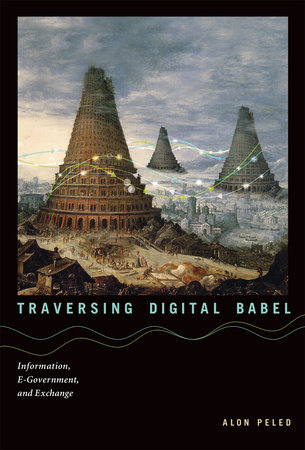
The computer systems of government agencies are notoriously complex. New technologies are piled on older technologies, creating layers that call to mind an archaeological dig. Obsolete programming languages and closed mainframe designs offer barriers to integration with other agency systems. Worldwide, these unwieldy systems waste billions of dollars, keep citizens from receiving services, and even—as seen in interoperability failures on 9/11 and during Hurricane Katrina—cost lives. In this book, Alon Peled offers a groundbreaking approach for enabling information sharing among public sector agencies: using selective incentives to “nudge” agencies to exchange information assets. Peled proposes the establishment of a Public Sector Information Exchange (PSIE), through which agencies would trade information.
After describing public sector information sharing failures and the advantages of incentivized sharing, Peled examines the U.S. Open Data program, and the gap between its rhetoric and results. He offers examples of creative public sector information sharing in the United States, Australia, Brazil, the Netherlands, and Iceland. Peled argues that information is a contested commodity, and draws lessons from the trade histories of other contested commodities—including cadavers for anatomical dissection in nineteenth-century Britain. He explains how agencies can exchange information as a contested commodity through a PSIE program tailored to an individual country's needs, and he describes the legal, economic, and technical foundations of such a program. Touching on issues from data ownership to freedom of information, Peled offers pragmatic advice to politicians, bureaucrats, technologists, and citizens for revitalizing critical information flows.
The computer systems of government agencies are notoriously complex. New technologies are piled on older technologies, creating layers that call to mind an archaeological dig. Obsolete programming languages and closed mainframe designs offer barriers to integration with other agency systems. Worldwide, these unwieldy systems waste billions of dollars, keep citizens from receiving services, and even—as seen in interoperability failures on 9/11 and during Hurricane Katrina—cost lives. In this book, Alon Peled offers a groundbreaking approach for enabling information sharing among public sector agencies: using selective incentives to “nudge” agencies to exchange information assets. Peled proposes the establishment of a Public Sector Information Exchange (PSIE), through which agencies would trade information.
After describing public sector information sharing failures and the advantages of incentivized sharing, Peled examines the U.S. Open Data program, and the gap between its rhetoric and results. He offers examples of creative public sector information sharing in the United States, Australia, Brazil, the Netherlands, and Iceland. Peled argues that information is a contested commodity, and draws lessons from the trade histories of other contested commodities—including cadavers for anatomical dissection in nineteenth-century Britain. He explains how agencies can exchange information as a contested commodity through a PSIE program tailored to an individual country's needs, and he describes the legal, economic, and technical foundations of such a program. Touching on issues from data ownership to freedom of information, Peled offers pragmatic advice to politicians, bureaucrats, technologists, and citizens for revitalizing critical information flows.













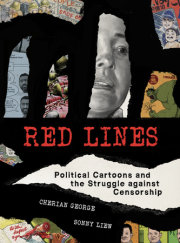

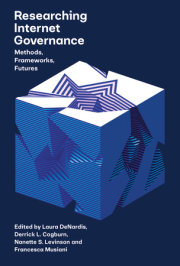
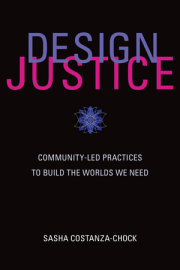
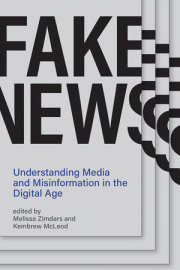

In celebration of Jewish American Heritage Month in May, we are sharing books by authors who share their individual stories, experiences, and lives. Find our full collection of books here.
For Mental Health Awareness Month in May, we are sharing books to educate and raise awareness about mental health and the various factors that may affect it, and to provide tools and resources for student wellness. Find our full collection of titles here.
Each May, we honor the stories, histories, and cultures of Asian Americans, Native Hawaiians, and Pacific Islanders. Below is a selection of acclaimed fiction and nonfiction books by AANHPI creators to share with your students this month and throughout the year. Find our full collection of titles for Higher Education here.