
Books for Jewish American Heritage Month
In celebration of Jewish American Heritage Month in May, we are sharing books by authors who share their individual stories, experiences, and lives. Find our full collection of books here.


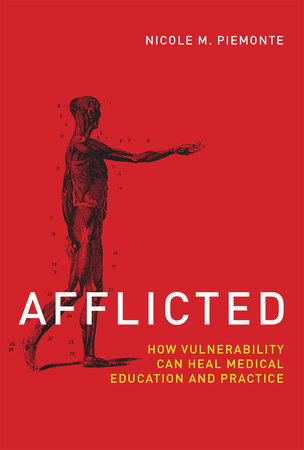
In Afflicted, Nicole Piemonte examines the preoccupation in medicine with cure over care, arguing that the traditional focus on biological intervention keeps medicine from addressing the complex realities of patient suffering. Although many have pointed to the lack of compassion and empathy in medical practice, few have considered the deeper philosophical, psychological, and ontological reasons for it. Piemonte fills that gap, examining why it is that clinicians and medical trainees largely evade issues of vulnerability and mortality and, doing so, offer patients compromised care. She argues that contemporary medical pedagogy and epistemology are not only shaped by the human tendency to flee from the reality of death and suffering but also perpetuate it. The root of the problem, she writes, is the educational and institutional culture that promotes reductionist understandings of care, illness, and suffering but avoids any authentic confrontation with human suffering and the fear and self-doubt that can come with that confrontation. Through a philosophical analysis of the patient-practitioner encounter, Piemonte argues that the doctor, in escaping from authentic engagement with a patient who is suffering, in fact “escapes from herself.”
Piemonte explores the epistemology and pedagogy of medicine, examines its focus on calculative or technical thinking, and considers how “clinical detachment” diminishes physicians. She suggests ways that educators might cultivate the capacity for authentic patient care and proposes specific curricular changes to help students expand their moral imaginations.
In Afflicted, Nicole Piemonte examines the preoccupation in medicine with cure over care, arguing that the traditional focus on biological intervention keeps medicine from addressing the complex realities of patient suffering. Although many have pointed to the lack of compassion and empathy in medical practice, few have considered the deeper philosophical, psychological, and ontological reasons for it. Piemonte fills that gap, examining why it is that clinicians and medical trainees largely evade issues of vulnerability and mortality and, doing so, offer patients compromised care. She argues that contemporary medical pedagogy and epistemology are not only shaped by the human tendency to flee from the reality of death and suffering but also perpetuate it. The root of the problem, she writes, is the educational and institutional culture that promotes reductionist understandings of care, illness, and suffering but avoids any authentic confrontation with human suffering and the fear and self-doubt that can come with that confrontation. Through a philosophical analysis of the patient-practitioner encounter, Piemonte argues that the doctor, in escaping from authentic engagement with a patient who is suffering, in fact “escapes from herself.”
Piemonte explores the epistemology and pedagogy of medicine, examines its focus on calculative or technical thinking, and considers how “clinical detachment” diminishes physicians. She suggests ways that educators might cultivate the capacity for authentic patient care and proposes specific curricular changes to help students expand their moral imaginations.

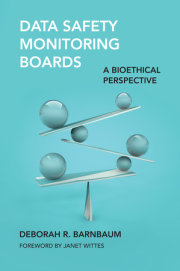
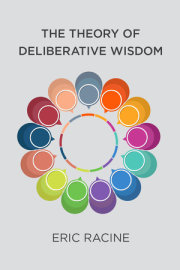
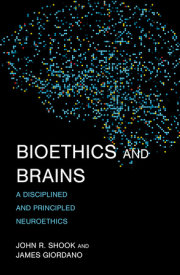
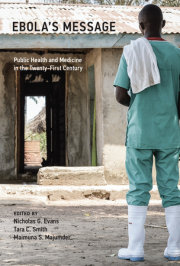

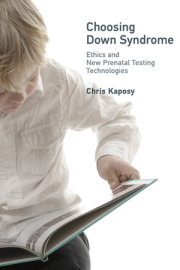

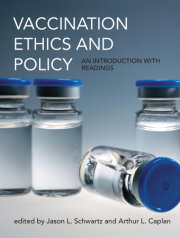
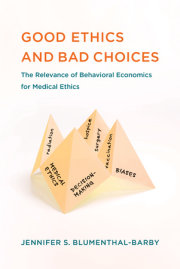
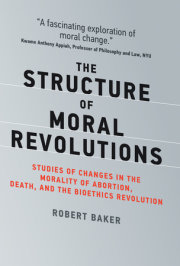
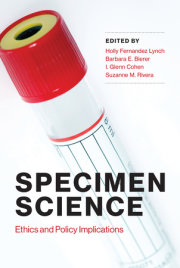
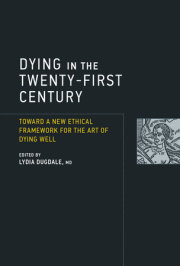
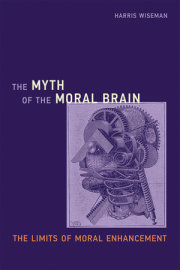
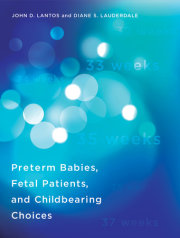
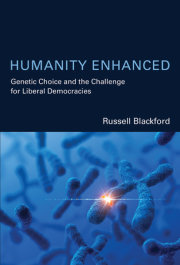
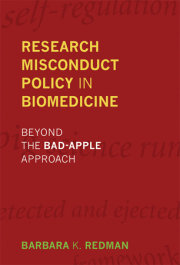

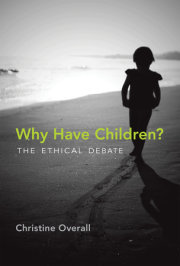
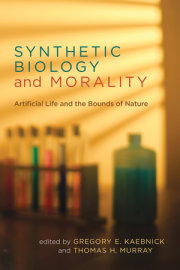
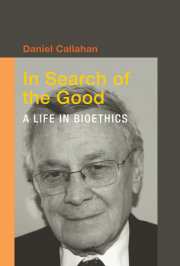
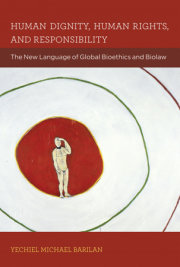

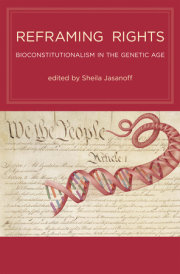
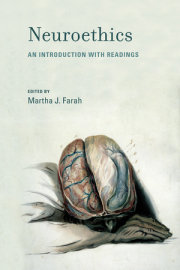
In celebration of Jewish American Heritage Month in May, we are sharing books by authors who share their individual stories, experiences, and lives. Find our full collection of books here.
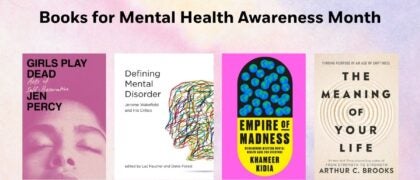
For Mental Health Awareness Month in May, we are sharing books to educate and raise awareness about mental health and the various factors that may affect it, and to provide tools and resources for student wellness. Find our full collection of titles here.
Each May, we honor the stories, histories, and cultures of Asian Americans, Native Hawaiians, and Pacific Islanders. Below is a selection of acclaimed fiction and nonfiction books by AANHPI creators to share with your students this month and throughout the year. Find our full collection of titles for Higher Education here.