
Books for Jewish American Heritage Month
In celebration of Jewish American Heritage Month in May, we are sharing books by authors who share their individual stories, experiences, and lives. Find our full collection of books here.


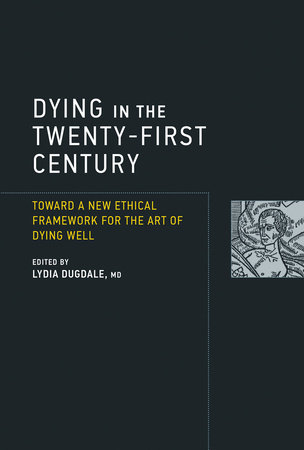
Most of us are generally ill-equipped for dying. Today, we neither see death nor prepare for it. But this has not always been the case. In the early fifteenth century, the Roman Catholic Church published the Ars moriendi texts, which established prayers and practices for an art of dying. In the twenty-first century, physicians rely on procedures and protocols for the efficient management of hospitalized patients. How can we recapture an art of dying that can facilitate our dying well? In this book, physicians, philosophers, and theologians attempt to articulate a bioethical framework for dying well in a secularized, diverse society.
Contributors discuss such topics as the acceptance of human finitude; the role of hospice and palliative medicine; spiritual preparation for death; and the relationship between community, and individual autonomy. They also consider special cases, including children, elderly patients with dementia, and death in the early years of the AIDS epidemic, when doctors could do little more than accompany their patients in humble solidarity.
These chapters make the case for a robust bioethics—one that could foster both the contemplation of finitude and the cultivation of community that would be necessary for a contemporary art of dying well.
Contributors
Jeffrey P. Bishop, Lisa Sowle Cahill, Daniel Callahan, Farr A. Curlin, Lydia S. Dugdale, Michelle Harrington, John Lantos, Stephen R. Latham, M. Therese Lysaught, Autumn Alcott Ridenour, Peter A. Selwyn, Daniel Sulmasy
The contributors are all fluent speakers of bioethics.... These authors excel at questioning the received wisdom.... Dugdale and her contributors helpfully challenge the mainstream accounts.
—Perspectives in Biology and Medicine—The solution to the medicalized death proposed by Dugdale and her co-authors is articulate and organized, yet deeply personal; the chapters include stories about real patients, moments of vulnerability, mistakes and the humanity of medicine.
—Theoretical Medicine and Bioethics—Most of us are generally ill-equipped for dying. Today, we neither see death nor prepare for it. But this has not always been the case. In the early fifteenth century, the Roman Catholic Church published the Ars moriendi texts, which established prayers and practices for an art of dying. In the twenty-first century, physicians rely on procedures and protocols for the efficient management of hospitalized patients. How can we recapture an art of dying that can facilitate our dying well? In this book, physicians, philosophers, and theologians attempt to articulate a bioethical framework for dying well in a secularized, diverse society.
Contributors discuss such topics as the acceptance of human finitude; the role of hospice and palliative medicine; spiritual preparation for death; and the relationship between community, and individual autonomy. They also consider special cases, including children, elderly patients with dementia, and death in the early years of the AIDS epidemic, when doctors could do little more than accompany their patients in humble solidarity.
These chapters make the case for a robust bioethics—one that could foster both the contemplation of finitude and the cultivation of community that would be necessary for a contemporary art of dying well.
Contributors
Jeffrey P. Bishop, Lisa Sowle Cahill, Daniel Callahan, Farr A. Curlin, Lydia S. Dugdale, Michelle Harrington, John Lantos, Stephen R. Latham, M. Therese Lysaught, Autumn Alcott Ridenour, Peter A. Selwyn, Daniel Sulmasy
The contributors are all fluent speakers of bioethics.... These authors excel at questioning the received wisdom.... Dugdale and her contributors helpfully challenge the mainstream accounts.
—Perspectives in Biology and Medicine—The solution to the medicalized death proposed by Dugdale and her co-authors is articulate and organized, yet deeply personal; the chapters include stories about real patients, moments of vulnerability, mistakes and the humanity of medicine.
—Theoretical Medicine and Bioethics—



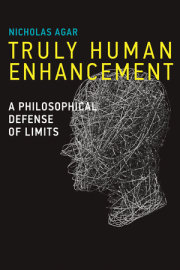
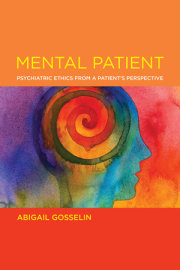
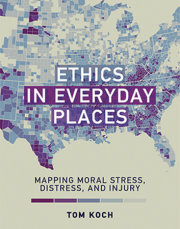
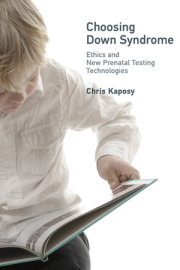

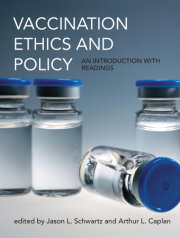
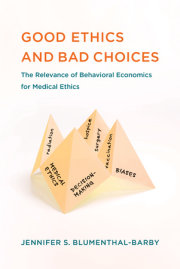
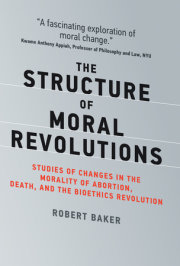
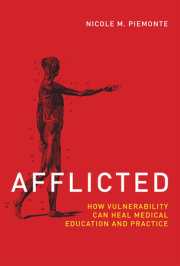

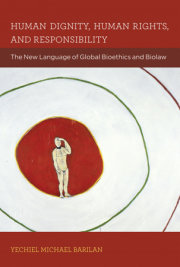

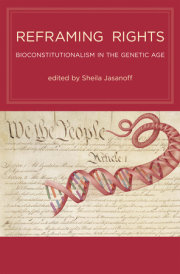
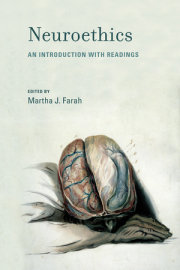
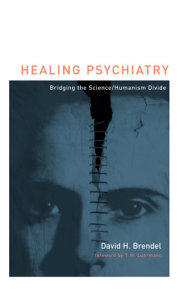
In celebration of Jewish American Heritage Month in May, we are sharing books by authors who share their individual stories, experiences, and lives. Find our full collection of books here.
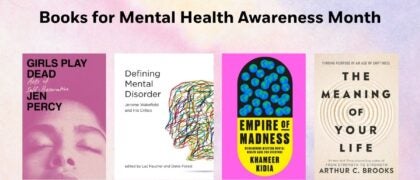
For Mental Health Awareness Month in May, we are sharing books to educate and raise awareness about mental health and the various factors that may affect it, and to provide tools and resources for student wellness. Find our full collection of titles here.
Each May, we honor the stories, histories, and cultures of Asian Americans, Native Hawaiians, and Pacific Islanders. Below is a selection of acclaimed fiction and nonfiction books by AANHPI creators to share with your students this month and throughout the year. Find our full collection of titles for Higher Education here.