
Books for Jewish American Heritage Month
In celebration of Jewish American Heritage Month in May, we are sharing books by authors who share their individual stories, experiences, and lives. Find our full collection of books here.


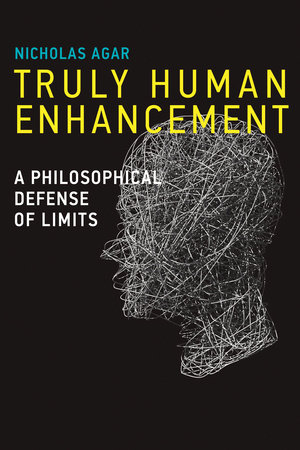
The transformative potential of genetic and cybernetic technologies to enhance human capabilities is most often either rejected on moral and prudential grounds or hailed as the future salvation of humanity. In this book, Nicholas Agar offers a more nuanced view, making a case for moderate human enhancement—improvements to attributes and abilities that do not significantly exceed what is currently possible for human beings. He argues against radical human enhancement, or improvements that greatly exceed current human capabilities.
Agar explores notions of transformative change and motives for human enhancement; distinguishes between the instrumental and intrinsic value of enhancements; argues that too much enhancement undermines human identity; considers the possibility of cognitively enhanced scientists; and argues against radical life extension. Making the case for moderate enhancement, Agar argues that many objections to enhancement are better understood as directed at the degree of enhancement rather than enhancement itself. Moderate human enhancement meets the requirement of truly human enhancement. By radically enhancing human cognitive capabilities, by contrast, we may inadvertently create beings (“post-persons”) with moral status higher than that of persons. If we create beings more entitled to benefits and protections against harms than persons, Agar writes, this will be bad news for the unenhanced. Moderate human enhancement offers a more appealing vision of the future and of our relationship to technology.
The transformative potential of genetic and cybernetic technologies to enhance human capabilities is most often either rejected on moral and prudential grounds or hailed as the future salvation of humanity. In this book, Nicholas Agar offers a more nuanced view, making a case for moderate human enhancement—improvements to attributes and abilities that do not significantly exceed what is currently possible for human beings. He argues against radical human enhancement, or improvements that greatly exceed current human capabilities.
Agar explores notions of transformative change and motives for human enhancement; distinguishes between the instrumental and intrinsic value of enhancements; argues that too much enhancement undermines human identity; considers the possibility of cognitively enhanced scientists; and argues against radical life extension. Making the case for moderate enhancement, Agar argues that many objections to enhancement are better understood as directed at the degree of enhancement rather than enhancement itself. Moderate human enhancement meets the requirement of truly human enhancement. By radically enhancing human cognitive capabilities, by contrast, we may inadvertently create beings (“post-persons”) with moral status higher than that of persons. If we create beings more entitled to benefits and protections against harms than persons, Agar writes, this will be bad news for the unenhanced. Moderate human enhancement offers a more appealing vision of the future and of our relationship to technology.



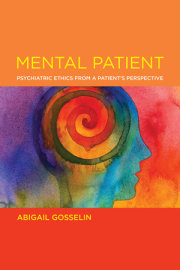
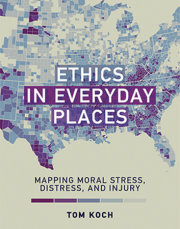
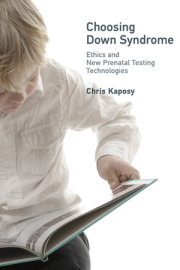

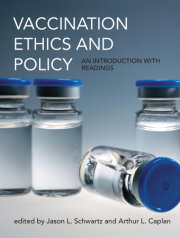




In celebration of Jewish American Heritage Month in May, we are sharing books by authors who share their individual stories, experiences, and lives. Find our full collection of books here.
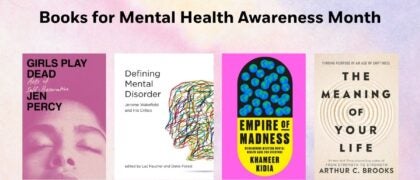
For Mental Health Awareness Month in May, we are sharing books to educate and raise awareness about mental health and the various factors that may affect it, and to provide tools and resources for student wellness. Find our full collection of titles here.
Each May, we honor the stories, histories, and cultures of Asian Americans, Native Hawaiians, and Pacific Islanders. Below is a selection of acclaimed fiction and nonfiction books by AANHPI creators to share with your students this month and throughout the year. Find our full collection of titles for Higher Education here.