

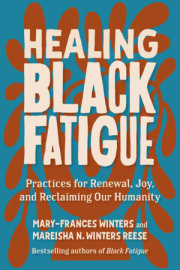

The pioneering book that exposed the intergenerational health impacts of systemic racism is back—with 50 percent new content to meet the demands of our post-2020 reality.
This updated edition delivers urgent tools for survival, including four new chapters, updated research, case studies, and real-world examples.
Black people are exhausted. The toll of living within systems designed to exclude them devastates minds, bodies, and spirits. Award-winning diversity, equity, and inclusion leader Mary-Frances Winters—now joined by Mareisha Winters Reese—addresses this ongoing crisis with an urgent update to her bestselling book.
Winters and Reese incorporate new data, fresh case studies, and expanded tools to reflect today’s realities. This edition, with 50 percent new content, includes the following:
Four new chapters on current challenges facing Black communities
Updated research on racism’s health impacts in a post-COVID world
New stories and case studies that illuminate lived experience
Updated models reflecting today’s most relevant findings
With unflinching honesty and a practical lens, Winters and Reese document the enduring toll of “living while Black” while also equipping readers with strategies for personal healing and organizational transformation. The research is current, the case studies are real, and the tools are designed to create lasting systemic change.
Mary-Frances Winters is the founder and CEO of the Winters Group, a pioneering diversity, equity, inclusion, and justice consulting firm operating for four decades. She is the author of the bestselling books Black Fatigue, Inclusive Conversations, and We Can’t Talk about That at Work! and has received numerous awards, including the ATHENA award and The Winds of Change award.
Mareisha N. Winters Reese is the president and chief operating officer of the Winters Group and coauthor of Racial Justice at Work and the second edition of We Can’t Talk about That at Work! Together, they bring extensive expertise in organizational change and racial equity to help leaders create more inclusive environments.
The pioneering book that exposed the intergenerational health impacts of systemic racism is back—with 50 percent new content to meet the demands of our post-2020 reality.
This updated edition delivers urgent tools for survival, including four new chapters, updated research, case studies, and real-world examples.
Black people are exhausted. The toll of living within systems designed to exclude them devastates minds, bodies, and spirits. Award-winning diversity, equity, and inclusion leader Mary-Frances Winters—now joined by Mareisha Winters Reese—addresses this ongoing crisis with an urgent update to her bestselling book.
Winters and Reese incorporate new data, fresh case studies, and expanded tools to reflect today’s realities. This edition, with 50 percent new content, includes the following:
Four new chapters on current challenges facing Black communities
Updated research on racism’s health impacts in a post-COVID world
New stories and case studies that illuminate lived experience
Updated models reflecting today’s most relevant findings
With unflinching honesty and a practical lens, Winters and Reese document the enduring toll of “living while Black” while also equipping readers with strategies for personal healing and organizational transformation. The research is current, the case studies are real, and the tools are designed to create lasting systemic change.
Author
Mary-Frances Winters is the founder and CEO of the Winters Group, a pioneering diversity, equity, inclusion, and justice consulting firm operating for four decades. She is the author of the bestselling books Black Fatigue, Inclusive Conversations, and We Can’t Talk about That at Work! and has received numerous awards, including the ATHENA award and The Winds of Change award.
Mareisha N. Winters Reese is the president and chief operating officer of the Winters Group and coauthor of Racial Justice at Work and the second edition of We Can’t Talk about That at Work! Together, they bring extensive expertise in organizational change and racial equity to help leaders create more inclusive environments.