
Books for Arab American Heritage Month
In honor of Arab American Heritage Month in April, we are sharing books by Arab and Arab American authors that share their culture, history, and personal lives.


«Sergio del Molino mira donde nadie mira y por eso ve lo que nadie ve. Y lo cuenta con trazo de escritor grande». Iñaki Gabilondo
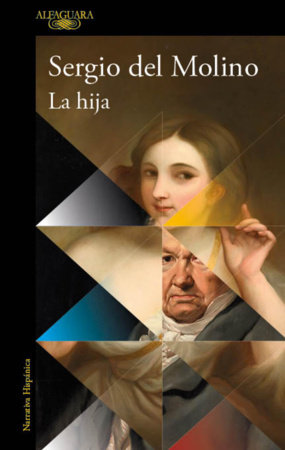
Juan Antonio Rascón llega a París en 1878 para ver unos cuadros de Goya que resultan ser las pinturas negras de la quinta madrileña del artista. Al examinarlas, vuelve a él la memoria de Rosario Weiss, de quien estuvo enamorado en su juventud. La joven creció junto a Goya y aprendió de él, pero por encima de todo, fue la hija que lo acompañó hasta sus últimos días; sin embargo, tras la muerte del pintor, quedó relegada durante décadas, borrada tanto por su condición de mujer como por la voluntad colectiva de conservar intacto el mito goyesco.
Más de un siglo después, el escritor Sergio del Molino contempla el autorretrato de Weiss en el Museo del Prado y, haciendo uso de la máxima libertad que permite la ficción, repara los hilos que la historia se empeñó en romper, al tiempo que reconstruye una época convulsa de la historia política y cultural de España. En ese proceso, ilumina el singular papel del creador y deja al descubierto la maniobra que expulsó a Rosario del relato. La hija devuelve su identidad a una artista excepcional que nunca debió perder el centro de su propia vida.
ENGLISH DESCRIPTION
AFTER THE GERMANS, SERGIO DEL MOLINO TAKES ON THE STORY OF ROSARIO WEISS, HIDDEN BEHIND A MYTH OF SPANISH ART, IN A DAZZLING WORK OF FICTION: FRANCISCO DE GOYA
"Sergio del Molino looks where no one else looks, and that's why he sees what no one else sees. And he recounts it with the skill of a great writer." Iñaki Gabilondo
Juan Antonio Rascón arrives in Paris in 1878 to see some paintings by Goya, which turn out to be the black paintings from the artist's Madrid villa. As he examines them, he is reminded of Rosario Weiss, with whom he was in love in his youth. The young woman grew up with Goya and learned from him, but above all, she was the daughter who accompanied him until his last days. However, after the painter's death, she was relegated for decades, erased both because of her status as a woman and because of the collective desire to keep the Goya myth intact.
More than a century later, writer Sergio del Molino contemplates Weiss's self-portrait in the Prado Museum and, making use of the maximum freedom that fiction allows, repairs the threads that history insisted on breaking, while reconstructing a turbulent period in Spain's political and cultural history. In the process, he sheds light on the unique role of the creator and reveals the maneuver that expelled Rosario from the story. The daughter restores the identity of an exceptional artist who should never have lost the center of her own life.
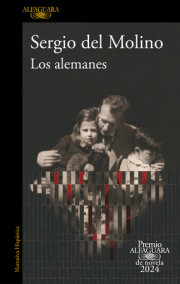
«En Los alemanes, Sergio del Molino ha logrado un triplete impresionante. Su novela es una disquisición vigorizante y a menudo ingeniosa sobre la culpa, el desarraigo y la Heimat; y una dramatización del papel de la música y la filosofía en la comprensión de las ideas. También es un thriller conmovedor y una crítica a la incapacidad de España para considerar su propio antisemitismo histórico».Miranda France, Times Literary Supplement
«Una obra de construcción impecable».Marcelo Sabatino, La Nación (sobre Los alemanes)
«Un bálsamo revitalizante, enriquecido con humor y erudición».Ariane Singer, Le Monde (sobre La piel)
«Sergio del Molino mira donde nadie mira y por eso ve lo que nadie ve. Y lo cuenta con trazo de escritor grande».Iñaki Gabilondo
«Sergio del Molino mira donde nadie mira y por eso ve lo que nadie ve. Y lo cuenta con trazo de escritor grande». Iñaki Gabilondo
Juan Antonio Rascón llega a París en 1878 para ver unos cuadros de Goya que resultan ser las pinturas negras de la quinta madrileña del artista. Al examinarlas, vuelve a él la memoria de Rosario Weiss, de quien estuvo enamorado en su juventud. La joven creció junto a Goya y aprendió de él, pero por encima de todo, fue la hija que lo acompañó hasta sus últimos días; sin embargo, tras la muerte del pintor, quedó relegada durante décadas, borrada tanto por su condición de mujer como por la voluntad colectiva de conservar intacto el mito goyesco.
Más de un siglo después, el escritor Sergio del Molino contempla el autorretrato de Weiss en el Museo del Prado y, haciendo uso de la máxima libertad que permite la ficción, repara los hilos que la historia se empeñó en romper, al tiempo que reconstruye una época convulsa de la historia política y cultural de España. En ese proceso, ilumina el singular papel del creador y deja al descubierto la maniobra que expulsó a Rosario del relato. La hija devuelve su identidad a una artista excepcional que nunca debió perder el centro de su propia vida.
ENGLISH DESCRIPTION
AFTER THE GERMANS, SERGIO DEL MOLINO TAKES ON THE STORY OF ROSARIO WEISS, HIDDEN BEHIND A MYTH OF SPANISH ART, IN A DAZZLING WORK OF FICTION: FRANCISCO DE GOYA
"Sergio del Molino looks where no one else looks, and that's why he sees what no one else sees. And he recounts it with the skill of a great writer." Iñaki Gabilondo
Juan Antonio Rascón arrives in Paris in 1878 to see some paintings by Goya, which turn out to be the black paintings from the artist's Madrid villa. As he examines them, he is reminded of Rosario Weiss, with whom he was in love in his youth. The young woman grew up with Goya and learned from him, but above all, she was the daughter who accompanied him until his last days. However, after the painter's death, she was relegated for decades, erased both because of her status as a woman and because of the collective desire to keep the Goya myth intact.
More than a century later, writer Sergio del Molino contemplates Weiss's self-portrait in the Prado Museum and, making use of the maximum freedom that fiction allows, repairs the threads that history insisted on breaking, while reconstructing a turbulent period in Spain's political and cultural history. In the process, he sheds light on the unique role of the creator and reveals the maneuver that expelled Rosario from the story. The daughter restores the identity of an exceptional artist who should never have lost the center of her own life.
«En Los alemanes, Sergio del Molino ha logrado un triplete impresionante. Su novela es una disquisición vigorizante y a menudo ingeniosa sobre la culpa, el desarraigo y la Heimat; y una dramatización del papel de la música y la filosofía en la comprensión de las ideas. También es un thriller conmovedor y una crítica a la incapacidad de España para considerar su propio antisemitismo histórico».Miranda France, Times Literary Supplement
«Una obra de construcción impecable».Marcelo Sabatino, La Nación (sobre Los alemanes)
«Un bálsamo revitalizante, enriquecido con humor y erudición».Ariane Singer, Le Monde (sobre La piel)
«Sergio del Molino mira donde nadie mira y por eso ve lo que nadie ve. Y lo cuenta con trazo de escritor grande».Iñaki Gabilondo
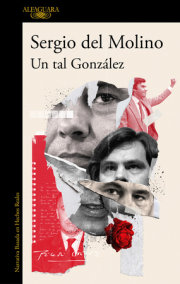
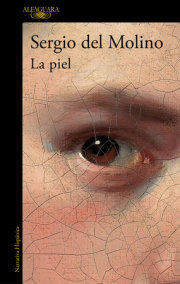
In honor of Arab American Heritage Month in April, we are sharing books by Arab and Arab American authors that share their culture, history, and personal lives.
For National Poetry Month in April, we are sharing poetry collections and books about poetry by authors who have their own stories to tell. These poets delve into history, reimagine the present, examine poetry itself—from traditional poems many know and love to poems and voices that are new and original.