Books for Arab American Heritage Month
In honor of Arab American Heritage Month in April, we are sharing books by Arab and Arab American authors that share their culture, history, and personal lives.
«Leer a Selva Almada es hurgar en el asombro. Su escritura es audaz y sus historias nos hablan tanto de la violencia como de la ternura, tanto de la podredumbre como de la belleza». —Mónica Ojeda
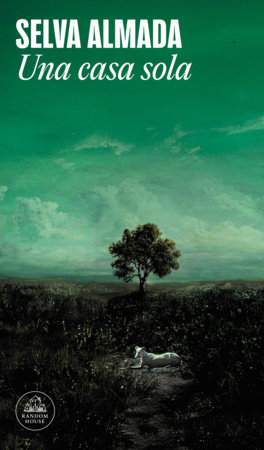
Las raíces irradiaron los cimientos: árbol y muros se van volviendo un mismo monte. Picotean las gallinas los restos de las alacenas, los bichos anidan en el hueco del calzado reseco y los perros se enroscan en las sábanas abandonadas que huelen a sus dueños. Por los alrededores merodean los soldados de distintas guerras y la amante malograda: al anochecer, se escucha la noria susurrada de sus cuitas. Pero es muda la familia que la casa añorar: Lucero, su mujer y sus cuatro hijos, ¿por qué no vuelven?
Precisa y delicada, esta novela conjuga la poesía del litoral con un repertorio procaz de anacronismos. Selva Almada logra la hazaña de volver audible el transcurrir del tiempo y sensible la obcecación de la naturaleza por recuperar lo que los hombres tomaron siglos atrás.
ENGLISH DESCRIPTION
The eagerly awaited new novel by Selva Almada, finalist for the International Booker Prize: a sensitive and disturbing fable about the houses we inhabit and leave behind.
"Reading Selva Almada is to delve into wonder. Her writing is bold, and her stories speak to us as much of violence as of tenderness, as much of decay as of beauty." —Mónica Ojeda
The roots radiated from the foundations: tree and walls became one and the same mound. Chickens peck at the remains of the cupboards, bugs nest in the hollow of dried-up shoes, and dogs curl up in abandoned sheets that smell of their owners. Soldiers from different wars and the ill-fated lover prowl the surroundings: at dusk, the whispering wheel of their troubles can be heard. But the family that the house longs for is silent: Lucero, his wife, and their four children—why don't they come back?
Precise and delicate, this novel combines the poetry of the coast with a bawdy repertoire of anachronisms. Selva Almada achieves the feat of making the passage of time audible and nature's stubbornness to recover what men took centuries ago palpable.

«Leer a Selva Almada es hurgar en el asombro. Su escritura es audaz y sus historias nos hablan tanto de la violencia como de la ternura, tanto de la
podredumbre como de la belleza».Mónica Ojeda
«Selva Almada puede seguir hablando desde las esferas de la soledad de los territorios humanos, condenados desde su misma génesis; de la “muerte” como una cosa “vacía y oscura”; puede seguir hablándonos desde los márgenes, con esa violenta claridad de
su lenguaje».Luis Guillermo Ibarra, La Jornada, México
«Almada brilla especialmente a la hora de reflejar la fragilidad y vulnerabilidad de sus personajes».Publisher’s Weekly
«El costumbrismo es telúrico, y la lengua no estándar remite a idiosincrasias locales que Almada eleva a su condición universal».
Marta Sanz
«Quizá por escribir desde los márgenes, Selva Almada consigue dotar a las palabras del significado que alguna vez soñaron tener».Eider Rodríguez
«Los libros de Selva Almada se mantienen unidos por una especie de rabia inquietante. La garganta se seca rápido. Imposible dejar la historia, apartar los ojos de la página. Imposible irse».Salomè Kiner, Le Temps, Francia
«Leer a Selva Almada es hurgar en el asombro. Su escritura es audaz y sus historias nos hablan tanto de la violencia como de la ternura, tanto de la podredumbre como de la belleza». —Mónica Ojeda
Las raíces irradiaron los cimientos: árbol y muros se van volviendo un mismo monte. Picotean las gallinas los restos de las alacenas, los bichos anidan en el hueco del calzado reseco y los perros se enroscan en las sábanas abandonadas que huelen a sus dueños. Por los alrededores merodean los soldados de distintas guerras y la amante malograda: al anochecer, se escucha la noria susurrada de sus cuitas. Pero es muda la familia que la casa añorar: Lucero, su mujer y sus cuatro hijos, ¿por qué no vuelven?
Precisa y delicada, esta novela conjuga la poesía del litoral con un repertorio procaz de anacronismos. Selva Almada logra la hazaña de volver audible el transcurrir del tiempo y sensible la obcecación de la naturaleza por recuperar lo que los hombres tomaron siglos atrás.
ENGLISH DESCRIPTION
The eagerly awaited new novel by Selva Almada, finalist for the International Booker Prize: a sensitive and disturbing fable about the houses we inhabit and leave behind.
"Reading Selva Almada is to delve into wonder. Her writing is bold, and her stories speak to us as much of violence as of tenderness, as much of decay as of beauty." —Mónica Ojeda
The roots radiated from the foundations: tree and walls became one and the same mound. Chickens peck at the remains of the cupboards, bugs nest in the hollow of dried-up shoes, and dogs curl up in abandoned sheets that smell of their owners. Soldiers from different wars and the ill-fated lover prowl the surroundings: at dusk, the whispering wheel of their troubles can be heard. But the family that the house longs for is silent: Lucero, his wife, and their four children—why don't they come back?
Precise and delicate, this novel combines the poetry of the coast with a bawdy repertoire of anachronisms. Selva Almada achieves the feat of making the passage of time audible and nature's stubbornness to recover what men took centuries ago palpable.
«Leer a Selva Almada es hurgar en el asombro. Su escritura es audaz y sus historias nos hablan tanto de la violencia como de la ternura, tanto de la
podredumbre como de la belleza».Mónica Ojeda
«Selva Almada puede seguir hablando desde las esferas de la soledad de los territorios humanos, condenados desde su misma génesis; de la “muerte” como una cosa “vacía y oscura”; puede seguir hablándonos desde los márgenes, con esa violenta claridad de
su lenguaje».Luis Guillermo Ibarra, La Jornada, México
«Almada brilla especialmente a la hora de reflejar la fragilidad y vulnerabilidad de sus personajes».Publisher’s Weekly
«El costumbrismo es telúrico, y la lengua no estándar remite a idiosincrasias locales que Almada eleva a su condición universal».
Marta Sanz
«Quizá por escribir desde los márgenes, Selva Almada consigue dotar a las palabras del significado que alguna vez soñaron tener».Eider Rodríguez
«Los libros de Selva Almada se mantienen unidos por una especie de rabia inquietante. La garganta se seca rápido. Imposible dejar la historia, apartar los ojos de la página. Imposible irse».Salomè Kiner, Le Temps, Francia
In honor of Arab American Heritage Month in April, we are sharing books by Arab and Arab American authors that share their culture, history, and personal lives.
For National Poetry Month in April, we are sharing poetry collections and books about poetry by authors who have their own stories to tell. These poets delve into history, reimagine the present, examine poetry itself—from traditional poems many know and love to poems and voices that are new and original.