Princess Knight, Part 2

Ebook
On sale Aug 12, 2015 | 382 Pages | 9781942993223

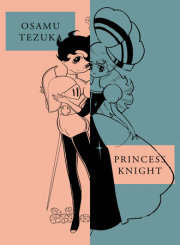
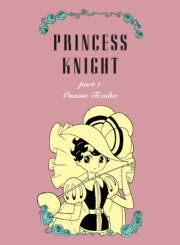
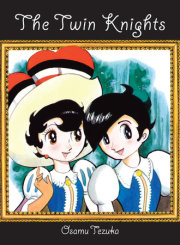
Set in a medieval fairy-tale backdrop, Princess Knight is the tale of a young princess named Sapphire who must pretend to be a male prince so she can inherit the throne. Women have long been prevented from taking the throne, but Sapphire is not discouraged and instead she fully accepts the role, becoming a dashing hero(ine) that the populous is proud of.

The playful cartooning style of Princess Knight is comparable to that of Disney, à la Snow White and the Seven Dwarfs. Considered by many as one of the first major shojo works, inspiring comics for girls such as Revolutionary Girl Utena, Cardcaptor Sakura and Sailor Moon for generations to follow. A rare shojo property from the godfather of manga, Princess Knight has been long considered one of Tezuka's most popular works worldwide.
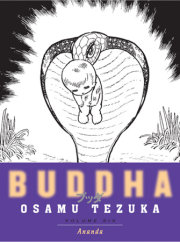
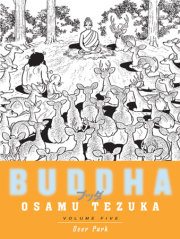
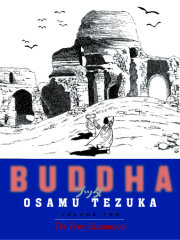
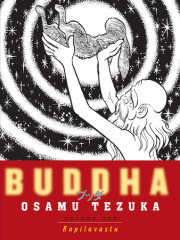
Osamu Tezuka (1928-1989) is the godfather of Japanese manga comics and the creator of the iconic character Astro Boy. He originally intended to become a doctor and earned his degree before turning to what was considered the frivolous medium of comic book art. With his sweeping vision, deftly intertwined plots, and indefatigable commitment to human dignity, Tezuka elevated manga to an art form. His eight-volume epic Buddha, winner of the Eisner and Harvey Awards, is available from Vertical. View titles by Osamu Tezuka
"PRINCESS KNIGHT is regarded a defining masterpiece of the [shojo] genre." - Shojo Beat magazine

"Princess Knight has the structure and feel of a Disney cartoon, which is not surprising, as Tezuka was a big fan of Disney's work. The story has a classic fairy-tale setting, a vaguely European country during the middle ages, with a king and queen, a Royal Guard who are a bunch of bullies, and quaint villages filled with peasants. The characters have the rounded, big-eyed look of classic Disney characters, and the pacing and slapstick humor conjure up such classics as "The Sorcerer's Apprentice."...Still, Tezuka's story seems to have caught the popular imagination in a way that earlier shoujo manga did not." - MTV

About

Set in a medieval fairy-tale backdrop, Princess Knight is the tale of a young princess named Sapphire who must pretend to be a male prince so she can inherit the throne. Women have long been prevented from taking the throne, but Sapphire is not discouraged and instead she fully accepts the role, becoming a dashing hero(ine) that the populous is proud of.

The playful cartooning style of Princess Knight is comparable to that of Disney, à la Snow White and the Seven Dwarfs. Considered by many as one of the first major shojo works, inspiring comics for girls such as Revolutionary Girl Utena, Cardcaptor Sakura and Sailor Moon for generations to follow. A rare shojo property from the godfather of manga, Princess Knight has been long considered one of Tezuka's most popular works worldwide.

Author

Osamu Tezuka (1928-1989) is the godfather of Japanese manga comics and the creator of the iconic character Astro Boy. He originally intended to become a doctor and earned his degree before turning to what was considered the frivolous medium of comic book art. With his sweeping vision, deftly intertwined plots, and indefatigable commitment to human dignity, Tezuka elevated manga to an art form. His eight-volume epic Buddha, winner of the Eisner and Harvey Awards, is available from Vertical. View titles by Osamu Tezuka

Praise

"PRINCESS KNIGHT is regarded a defining masterpiece of the [shojo] genre." - Shojo Beat magazine

"Princess Knight has the structure and feel of a Disney cartoon, which is not surprising, as Tezuka was a big fan of Disney's work. The story has a classic fairy-tale setting, a vaguely European country during the middle ages, with a king and queen, a Royal Guard who are a bunch of bullies, and quaint villages filled with peasants. The characters have the rounded, big-eyed look of classic Disney characters, and the pacing and slapstick humor conjure up such classics as "The Sorcerer's Apprentice."...Still, Tezuka's story seems to have caught the popular imagination in a way that earlier shoujo manga did not." - MTV