
Books for Jewish American Heritage Month
In celebration of Jewish American Heritage Month in May, we are sharing books by authors who share their individual stories, experiences, and lives. Find our full collection of books here.


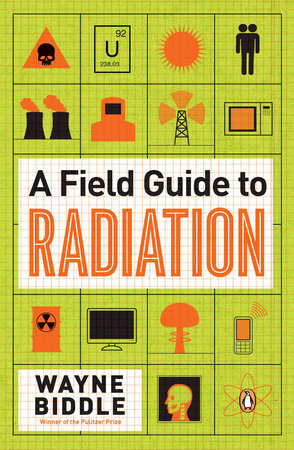
Nuclear energy, X-rays, radon, cell phones . . . radiation is part of the way we live on a daily basis, and yet the sources and repercussions of our exposure to it remain mysterious. Now Pulitzer Prize–winning journalist Wayne Biddle offers a first-of-its-kind guide to understanding this fundamental aspect of the universe. From fallout to radiation poisoning, alpha particles to cosmic rays, Biddle illuminates the history, meaning, and health implications of one hundred scientific terms in succinct, witty essays. A Field Guide to Radiation is an essential, engaging handbook that offers wisdom and common sense for today's increasingly nuclear world.
—The Washington Post
—Nature
—Booklist
Nuclear energy, X-rays, radon, cell phones . . . radiation is part of the way we live on a daily basis, and yet the sources and repercussions of our exposure to it remain mysterious. Now Pulitzer Prize–winning journalist Wayne Biddle offers a first-of-its-kind guide to understanding this fundamental aspect of the universe. From fallout to radiation poisoning, alpha particles to cosmic rays, Biddle illuminates the history, meaning, and health implications of one hundred scientific terms in succinct, witty essays. A Field Guide to Radiation is an essential, engaging handbook that offers wisdom and common sense for today's increasingly nuclear world.
—The Washington Post
—Nature
—Booklist

In celebration of Jewish American Heritage Month in May, we are sharing books by authors who share their individual stories, experiences, and lives. Find our full collection of books here.
For Mental Health Awareness Month in May, we are sharing books to educate and raise awareness about mental health and the various factors that may affect it, and to provide tools and resources for student wellness. Find our full collection of titles here.
Each May, we honor the stories, histories, and cultures of Asian Americans, Native Hawaiians, and Pacific Islanders. Below is a selection of acclaimed fiction and nonfiction books by AANHPI creators to share with your students this month and throughout the year. Find our full collection of titles for Higher Education here.