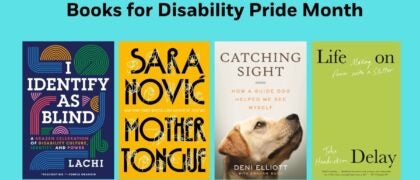
Books for Jewish American Heritage Month
In celebration of Jewish American Heritage Month in May, we are sharing books by authors who share their individual stories, experiences, and lives. Find our full collection of books here.
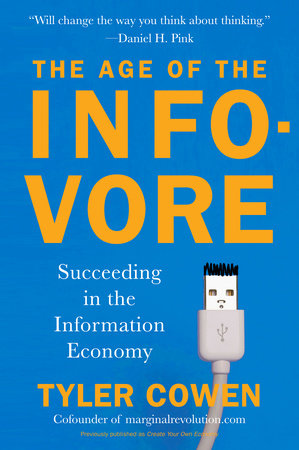
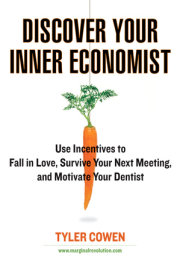
When the economy is doing poorly, people “cocoon” and turn to less expensive pleasures. During the Great Depression of the 1930s, people cut back on the expensive evening out and looked to board games, radio, and family entertainment at home. People learned how to do more with less and those tendencies shaped American life for decades. The Great Depression wasn’t just an economic event; it was also a cultural shift. And there is another cultural shift going on right now. In bad economic times people exercise more, eat out less and cook more, and engage in more projects for self- improvement and self-education. Usage at public libraries goes up and people will spend more time on the internet; (after all, once you’ve paid for your connection most of the surfing is free). These trends are more important than most of us realize and in this book I will tell you why. I will tell you why they are not just short-run trends but why they presage something much deeper about our future and about how we use information.
The challenge is this: When a recession comes, rather than surrendering, what can we do to empower ourselves and create a better life? What technologies can we use and how? How can we use information in a more powerful way? To whom should we look as the new role models and the new heroes? How can we turn inward and improve who we are and how we organize our internal personal worlds?
This book is about the power of the individual to make a difference and also to change an entire world, whether or not the supposed economic forces are on your side. To thrive in an era that produces and devours information like never before, you need to become more adept at finding, sorting, and absorbing ideas, news, and all kinds of data. The age of the infovore has arrived.
When the economy is doing poorly, people “cocoon” and turn to less expensive pleasures. During the Great Depression of the 1930s, people cut back on the expensive evening out and looked to board games, radio, and family entertainment at home. People learned how to do more with less and those tendencies shaped American life for decades. The Great Depression wasn’t just an economic event; it was also a cultural shift. And there is another cultural shift going on right now. In bad economic times people exercise more, eat out less and cook more, and engage in more projects for self- improvement and self-education. Usage at public libraries goes up and people will spend more time on the internet; (after all, once you’ve paid for your connection most of the surfing is free). These trends are more important than most of us realize and in this book I will tell you why. I will tell you why they are not just short-run trends but why they presage something much deeper about our future and about how we use information.
The challenge is this: When a recession comes, rather than surrendering, what can we do to empower ourselves and create a better life? What technologies can we use and how? How can we use information in a more powerful way? To whom should we look as the new role models and the new heroes? How can we turn inward and improve who we are and how we organize our internal personal worlds?
This book is about the power of the individual to make a difference and also to change an entire world, whether or not the supposed economic forces are on your side. To thrive in an era that produces and devours information like never before, you need to become more adept at finding, sorting, and absorbing ideas, news, and all kinds of data. The age of the infovore has arrived.
In celebration of Jewish American Heritage Month in May, we are sharing books by authors who share their individual stories, experiences, and lives. Find our full collection of books here.
For Mental Health Awareness Month in May, we are sharing books to educate and raise awareness about mental health and the various factors that may affect it, and to provide tools and resources for student wellness. Find our full collection of titles here.
Each May, we honor the stories, histories, and cultures of Asian Americans, Native Hawaiians, and Pacific Islanders. Below is a selection of acclaimed fiction and nonfiction books by AANHPI creators to share with your students this month and throughout the year. Find our full collection of titles for Higher Education here.