A NOTE from the EDITORS
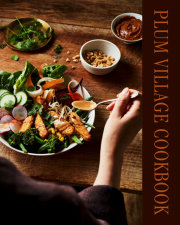
The food culture of the monasteries of Plum Village France is unique, connecting Zen Master Thích Nhất Hạnh’s mindful approach to living and Vietnamese Buddhist recipes with the seasonal, local, and organic principles of the European slow food movement—all enlivened by a cheerful improvisational approach that makes best use of whatever ingredients are at hand.
The French countryside of the surrounding Périgord region grounds the menu in local ingredients, but the recipes and techniques draw from the nourishing traditions of Plum Village’s diverse international monastic and lay Sangha (community). The monastic cooks at Plum Village hail from many countries in Europe and Asia as well as Africa, Australia, and the Americas. The result is a cuisine that begins in Vietnam, grows in French soil, and evolves through many hands.
At its heart, the food remains Vietnamese, with rice as a staple in many meals; broths layered with ginger and aromatic herbs; fresh greens served generously; balance across the Five Tastes (see page 9); and attentiveness to color, texture, and digestibility. Yet the French landscape offers leeks, lettuces, endive, chickpeas, Puy lentils, artichokes, and abundant seasonal produce; the climate favors plums, apples, hazelnuts, walnuts, and lettuce rather than tropical papaya or banana blossom. The cuisine adapts according to the ingredients and is constantly evolving as new members of the community bring with them their beloved recipes to add to the table.
Cooking and eating the Plum Village way is a meditative practice that heals our minds and bodies and the earth itself. Many of the vegetables and fruits served at Plum Village France are grown and harvested hyperlocally on the organic Happy Farms at each of the three hamlets: Upper Hamlet in Thénac in the Dordogne, Lower Hamlet in Loubès-Bernac in Lot-et-Garonne, and New Hamlet in the Gironde. Each hamlet has its own landscape and character.
We often think of “monastic cuisine” as being austere, but the meals at Plum Village burst with delicious flavors, textures, and colors that bring all our senses to life. In Plum Village, we fully enjoy the beauty of the material aspects of our lives without developing craving, knowing that all is
impermanent. People who visit Plum Village France on retreats aspiring to gain more peace of mind find the regular routine of preparing and enjoying simple, delicious monastery meals to be one of the most healing and transformative elements of their stay. Surely this has to do with the mindfulness and care with which the food is served, a loving approach to everyday life that retreatants can take home with them and practice long after their retreat is over.
Monks and nuns from countries all over the world work together in the kitchen, learning not only how to cook but also how to live together. Just as we would on a retreat, in this book we'll learn how to practice mindfulness and cultivate joy as a source of nourishment for ourselves and others, all while preparing delicious, nourishing vegan dishes from the monastery.
To express our love and care for Mother Earth and our fellow beings, the eleven (and growing) practice centers in the Plum Village tradition around the world follow a vegan or vegetarian diet. Zen Master Thích Nhất Hạnh was ahead of his time. Long before we had the widespread awareness of the climate crisis and that eating plant-based foods is one of the most effective things an individual can do to cut carbon emissions, in October 2007, he wrote a letter to the international community to make mindful changes to the food they consume, to move from a meat-based to a vegetarian diet and from a vegetarian diet to a vegan diet. This would help heal Mother Earth and contribute to a sustainable and peaceful future for our planet. “Anyone,” he said, could “be courageous and give rise to the commitment to be vegetarian, at least fifteen days each month.… If we can do that, we will feel a sense of well-being. We will have peace, joy, and happiness right from the moment we make this vow and commitment.”
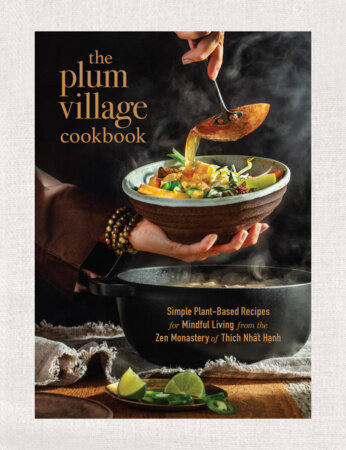
We gathered the recipes in this book in response to the requests of friends who have taken retreats at Plum Village and enjoyed the meals there so much that they were inspired to become vegetarian and vegan upon returning home. We focused on popular Plum Village dishes that are easy to prepare at home. We hope The Plum Village Cookbook responds to the needs of our time for a way of cooking and eating that is wholesome, kind to the earth and all beings, and delicious! We offer deep bows of gratitude to all the monastic chefs who shared their recipes, the earth, the sky, and all the causes and conditions that have led to this book. Bon appétit!
MINDFUL EATING: CULTIVATING REVERENCE for LIFE
Mindful eating is an important part of our meditation practice—from chopping vegetables, to eating with awareness, to cleaning up. With mindfulness we can see that many elements—the rain, sunshine, earth, and the labor of the farmers, drivers, food sellers, and cook—have all come together to form each wonderful meal. When we eat in mindfulness, we can see that the entire universe is supporting our existence.
Having the opportunity to sit and enjoy a wonderful meal is something precious, something not everyone has. Many people in the world are hungry. When I hold a bowl of rice or a piece of bread, I know that I am fortunate, and I feel compassion for all those who have no food to eat or who are without friends or family. We can be aware of this right at our dinner table.
Mindful eating can cultivate seeds of compassion and understanding. Those seeds can sprout and grow inside us and give us the determination to do something to help hungry and lonely people to be nourished.
This plate of food,
so fragrant and appetizing,
also contains much suffering.
The kitchen should be a place of meditation. You might want to create a kitchen altar to remind yourself to practice mindfulness while cooking. It can be just a small shelf with enough room for an incense holder, a small flower vase, a beautiful stone, a small picture of an ancestor or a spiritual teacher, or a statue of the Buddha or a bodhisattva— whatever is most meaningful to you. When you come into the kitchen, you can begin your work by offering incense and practicing mindful breathing. While cooking, allow enough time so you don’t feel rushed. Be aware that you, and the people you’re cooking for, depend on this food. This awareness will help you to cook healthy food that’s infused with your love and mindfulness. When the food is on the table and everyone is seated, practice at least three mindful breaths before beginning to eat.
You can say:
Breathing in, I calm my body.
Breathing out, I smile.
If you’re eating alone, promise yourself just to eat and to be with the food, and not to read or listen to the radio or watch a screen during the meal. If you’re eating with others, take the time to really look at each of them and smile. Sitting at the table with other people is a chance to offer an authentic smile of friendship and understanding. It’s very easy, but not many people do it. To me, the most important part of the practice is to look at each person and smile. If people eating together cannot smile at each other, then something isn’t right.
After breathing and smiling, look down at the food in a way that allows it to become real. This food reveals your connection with the earth. Each bite contains the life of the sun and the earth. The extent to which your food reveals itself depends on you. You can see and taste the whole universe in a piece of bread!
This bread is the body of the cosmos.
Contemplating your food for a few seconds before eating, and eating in mindfulness, can bring you much happiness. You can say:
In this food
I see clearly the presence
of the entire universe
supporting my existence.
When you’ve finished eating, take a few moments to notice that your bowl or plate is now empty and your hunger is satisfied. You can take a moment to be grateful that you have had this nourishing food to eat, supporting you on the path of love and understanding, by saying:
The plate is empty.
My hunger is satisfied.
I vow to live for the benefit of all beings.
When you’re cleaning the kitchen or washing dishes, do it as if you were washing a baby, and you can feel joy and peace radiate within and around you. You can say to yourself:
Washing the dishes
is like bathing a baby.
The profane is the sacred.
Everyday mind is enlightened mind.
From time to time, you might want to try the practice of eating in silence, even if you’re eating with family or friends. Eating in silence allows us to see the preciousness of the food and our friends, as well as our close relationship with the earth and all species. Every vegetable, every drop of water, every piece of bread contains in it the life of our planet and the whole cosmos. With each bite of food, we can taste the meaning and value of our life.
The first time you eat in silence, it may seem awkward, but after you get used to it, silent meals can bring a lot of peace, joy, and insight. It’s like turning off the TV before eating. We “turn off ” the talking sometimes in order to enjoy the food and the presence of one another.
Copyright © 2026 by Thich Nhat Hanh and the Plum Village Community. All rights reserved. No part of this excerpt may be reproduced or reprinted without permission in writing from the publisher.