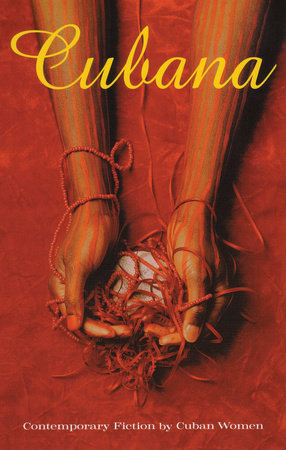

Until recently, the combination of a Cuban old boys' network and an ideological emphasis on "tough" writing kept fiction by Cuban women largely unknown and unread. Cubana, the U.S. version of a groundbreaking anthology of women's fiction published in Cuba in 1996, introduces these once-ignored writers to a new audience. Havana editor and author Mirta Yáñez has assembled an impressive group of sixteen stories that reveals the strength and variety of contemporary writing by Cuban women-and offers a glimpse inside Cuba during a time of both extreme economic difficulty and artistic renaissance.
Many of these stories focus pointedly on economic and social conditions. Josefina de Diego's "Internal Monologue on a Corner in Havana" shows us the current crisis through the eyes and voice of a witty economist-turned-vendor who must sell her extra cigarettes. Others-Magaly Sánchez's erotic fantasy "Catalina in the Afternoons" and Mylene Fernández Pintado's psychologically deft "Anhedonia (A Story in Two Women)"-reveal a nascent Cuban feminism. The twelve-year-old narrator of Aida Bahr's "The Scent of Limes" tries to make sense of her grandparents' conservative values, her stepfather's disappearance, and her mother's fierce independence. The Cuban-American writer Achy Obejas recreates the strange dual identity of the immigrant, while avant-garde stories like the playful and savvy "The Urn and the Name (A Merry Tale)," written by Ena Lucía Portela, reveal the vitality of the experimental tradition in Cuba. And Rosa Ileana Boudet's "Potosí 11: Address Unknown" is both a romantic paean to a time of youth, passion, and revolution, and an attempt to reconcile that past with a diminished present.
Cindy Schuster is a poet and translator. She teaches at Tufts University and at the University of Massachusetts, Boston.
Beginning with her Estatuas de sal (edited with Marilyn Bobes), Mirta Yáñez has made us (some of us willingly, others not) realize the quantity and quality of Cuban women's writings. Cubana is a welcomed addition to the still slim shelves of Caribbean women's writings in translation.--Daisy Cocco De Filippis, editor of Dominicanas and Friends
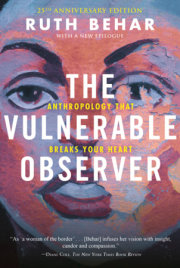
Mirta Yáñez was formerly associate professor of Latin American literature at the University of Havana. She is the author of ten books of fiction, poetry, and criticism. Ruth Behar's most recent book is The Vulnerable Observer. She lives in Ann Arbor, Michigan.
Dick Cluster is a novelist and translator, most recently, of Alejandro Hernández Díaz's The Cuban Mile.
Until recently, the combination of a Cuban old boys' network and an ideological emphasis on "tough" writing kept fiction by Cuban women largely unknown and unread. Cubana, the U.S. version of a groundbreaking anthology of women's fiction published in Cuba in 1996, introduces these once-ignored writers to a new audience. Havana editor and author Mirta Yáñez has assembled an impressive group of sixteen stories that reveals the strength and variety of contemporary writing by Cuban women-and offers a glimpse inside Cuba during a time of both extreme economic difficulty and artistic renaissance.
Many of these stories focus pointedly on economic and social conditions. Josefina de Diego's "Internal Monologue on a Corner in Havana" shows us the current crisis through the eyes and voice of a witty economist-turned-vendor who must sell her extra cigarettes. Others-Magaly Sánchez's erotic fantasy "Catalina in the Afternoons" and Mylene Fernández Pintado's psychologically deft "Anhedonia (A Story in Two Women)"-reveal a nascent Cuban feminism. The twelve-year-old narrator of Aida Bahr's "The Scent of Limes" tries to make sense of her grandparents' conservative values, her stepfather's disappearance, and her mother's fierce independence. The Cuban-American writer Achy Obejas recreates the strange dual identity of the immigrant, while avant-garde stories like the playful and savvy "The Urn and the Name (A Merry Tale)," written by Ena Lucía Portela, reveal the vitality of the experimental tradition in Cuba. And Rosa Ileana Boudet's "Potosí 11: Address Unknown" is both a romantic paean to a time of youth, passion, and revolution, and an attempt to reconcile that past with a diminished present.
Author
Cindy Schuster is a poet and translator. She teaches at Tufts University and at the University of Massachusetts, Boston.
Beginning with her Estatuas de sal (edited with Marilyn Bobes), Mirta Yáñez has made us (some of us willingly, others not) realize the quantity and quality of Cuban women's writings. Cubana is a welcomed addition to the still slim shelves of Caribbean women's writings in translation.--Daisy Cocco De Filippis, editor of Dominicanas and Friends
Mirta Yáñez was formerly associate professor of Latin American literature at the University of Havana. She is the author of ten books of fiction, poetry, and criticism. Ruth Behar's most recent book is The Vulnerable Observer. She lives in Ann Arbor, Michigan.
Dick Cluster is a novelist and translator, most recently, of Alejandro Hernández Díaz's The Cuban Mile.