
Books for Jewish American Heritage Month
In celebration of Jewish American Heritage Month in May, we are sharing books by authors who share their individual stories, experiences, and lives. Find our full collection of books here.



Part of the Jewish Encounter series
From one of our most trusted spiritual advisers, a thoughtful, illuminating guide to that most fascinating of biblical texts, the book of Job, and what it can teach us about living in a troubled world.
The story of Job is one of unjust things happening to a good man. Yet after losing everything, Job—though confused, angry, and questioning God—refuses to reject his faith, although he challenges some central aspects of it. Rabbi Harold S. Kushner examines the questions raised by Job’s experience, questions that have challenged wisdom seekers and worshippers for centuries. What kind of God permits such bad things to happen to good people? Why does God test loyal followers? Can a truly good God be all-powerful?
Rooted in the text, the critical tradition that surrounds it, and the author’s own profoundly moral thinking, Kushner’s study gives us the book of Job as a touchstone for our time. Taking lessons from historical and personal tragedy, Kushner teaches us about what can and cannot be controlled, about the power of faith when all seems dark, and about our ability to find God.
Rigorous and insightful yet deeply affecting, The Book of Job is balm for a distressed age—and Rabbi Kushner’s most important book since When Bad Things Happen to Good People.
“There is one place in the Bible where serious theological conversation about the nature and thought process of God does take place, prompted by the conflict between the human wish to see the world as a moral sphere where people get what they deserve, where everything happens for a reason, and the inescapable reality that ours is a world where good people suffer for no apparent reason. The book of Job is a full-length argument about whether the misfortunes that befall ostensibly good people come to them from the hand of God. If we want to believe that ours is a moral world, the scene of justice and fairness, we need to confront the arguments presented in what is probably the most challenging book in the entire Bible: the book of Job.”
Part of the Jewish Encounter series
From one of our most trusted spiritual advisers, a thoughtful, illuminating guide to that most fascinating of biblical texts, the book of Job, and what it can teach us about living in a troubled world.
The story of Job is one of unjust things happening to a good man. Yet after losing everything, Job—though confused, angry, and questioning God—refuses to reject his faith, although he challenges some central aspects of it. Rabbi Harold S. Kushner examines the questions raised by Job’s experience, questions that have challenged wisdom seekers and worshippers for centuries. What kind of God permits such bad things to happen to good people? Why does God test loyal followers? Can a truly good God be all-powerful?
Rooted in the text, the critical tradition that surrounds it, and the author’s own profoundly moral thinking, Kushner’s study gives us the book of Job as a touchstone for our time. Taking lessons from historical and personal tragedy, Kushner teaches us about what can and cannot be controlled, about the power of faith when all seems dark, and about our ability to find God.
Rigorous and insightful yet deeply affecting, The Book of Job is balm for a distressed age—and Rabbi Kushner’s most important book since When Bad Things Happen to Good People.
“There is one place in the Bible where serious theological conversation about the nature and thought process of God does take place, prompted by the conflict between the human wish to see the world as a moral sphere where people get what they deserve, where everything happens for a reason, and the inescapable reality that ours is a world where good people suffer for no apparent reason. The book of Job is a full-length argument about whether the misfortunes that befall ostensibly good people come to them from the hand of God. If we want to believe that ours is a moral world, the scene of justice and fairness, we need to confront the arguments presented in what is probably the most challenging book in the entire Bible: the book of Job.”


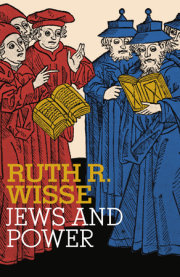




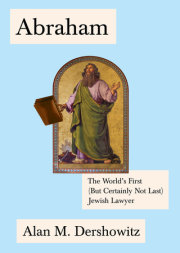


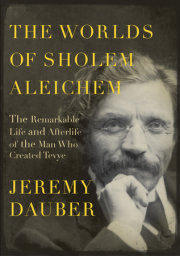








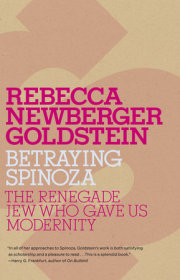



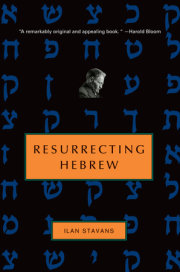



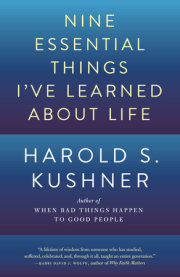
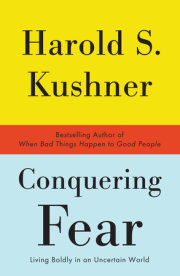
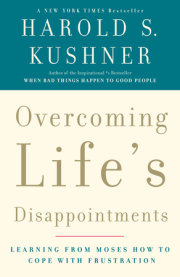
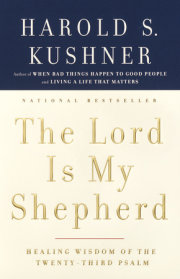

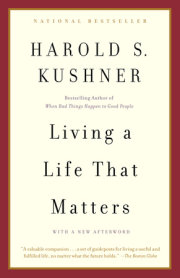
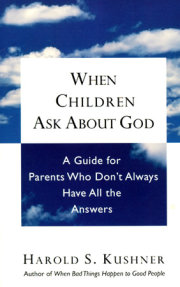
In celebration of Jewish American Heritage Month in May, we are sharing books by authors who share their individual stories, experiences, and lives. Find our full collection of books here.
For Mental Health Awareness Month in May, we are sharing books to educate and raise awareness about mental health and the various factors that may affect it, and to provide tools and resources for student wellness. Find our full collection of titles here.
Each May, we honor the stories, histories, and cultures of Asian Americans, Native Hawaiians, and Pacific Islanders. Below is a selection of acclaimed fiction and nonfiction books by AANHPI creators to share with your students this month and throughout the year. Find our full collection of titles for Higher Education here.