Books for Universal Human Rights Month
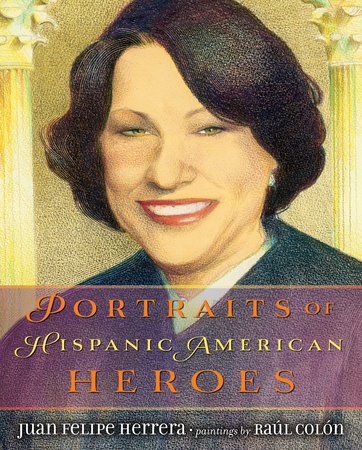
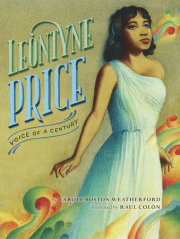
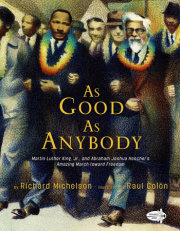
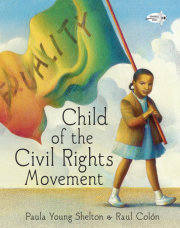
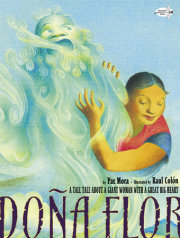
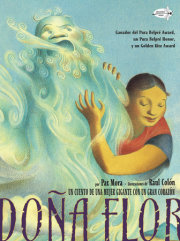
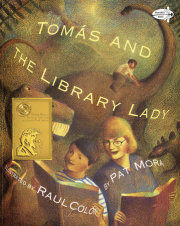
For Universal Human Rights Month in December, we are sharing a collection of books that educate on the importance of the fundamental rights and freedoms of all people. Find the full collection of titles here.
A “hero,” un héroe, was rarely in my vocabulary growing up as an only child of two tireless and kind California farmworkers. Speaking and reading only Spanish when I began school made my hero discoveries more difficult.
Yet, my library was rich with storytelling and other “oral” forms of history about Latina and Latino bravery, voyages, and experiments. And it still is the way many Hispanic Americans learn about their heroes. To this day, I sing the corridos,xs ballads of the Mexican Revolución, that Mamá taught me. And my papí’s harmonica—I play it sweetly.
The Civil Rights Act of 1964 and the grape boycott led by César Chávez and Dolores Huerta roused a generation of Latina and Latino students, scholars, and community activists to ask: Are the stories about our Latino and Latina heroes, those who came or were born here in the United States, in our libraries? Most of the books had to be written. And they were—filled with lives in search of change, justice, and innovation—and a place they could call home. The books diamond-sparkled with unimaginable heroism.
A “hero,” un héroe, was rarely in my vocabulary growing up as an only child of two tireless and kind California farmworkers. Speaking and reading only Spanish when I began school made my hero discoveries more difficult.
Yet, my library was rich with storytelling and other “oral” forms of history about Latina and Latino bravery, voyages, and experiments. And it still is the way many Hispanic Americans learn about their heroes. To this day, I sing the corridos,xs ballads of the Mexican Revolución, that Mamá taught me. And my papí’s harmonica—I play it sweetly.
The Civil Rights Act of 1964 and the grape boycott led by César Chávez and Dolores Huerta roused a generation of Latina and Latino students, scholars, and community activists to ask: Are the stories about our Latino and Latina heroes, those who came or were born here in the United States, in our libraries? Most of the books had to be written. And they were—filled with lives in search of change, justice, and innovation—and a place they could call home. The books diamond-sparkled with unimaginable heroism.
For Universal Human Rights Month in December, we are sharing a collection of books that educate on the importance of the fundamental rights and freedoms of all people. Find the full collection of titles here.