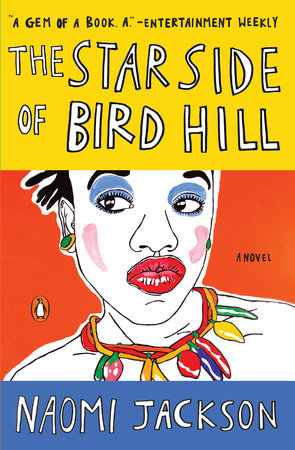
Two sisters are suddenly sent from their home in Brooklyn to Barbados to live with their grandmother, in this stunning debut novel
 
This lyrical novel of community, betrayal, and love centers on an unforgettable matriarchal family in Barbados. Two sisters, ages ten and sixteen, are exiled from Brooklyn to Bird Hill in Barbados after their mother can no longer care for them. The young Phaedra and her older sister, Dionne, live for the summer of 1989 with their grandmother Hyacinth, a midwife and practitioner of the local spiritual practice of obeah.

Dionne spends the summer in search of love, testing her grandmother’s limits, and wanting to go home. Phaedra explores Bird Hill, where her family has lived for generations, accompanies her grandmother in her role as a midwife, and investigates their mother’s mysterious life.

This tautly paced coming-of-age story builds to a crisis when the father they barely know comes to Bird Hill to reclaim his daughters, and both Phaedra and Dionne must choose between the Brooklyn they once knew and loved or the Barbados of their family.

Jackson’s Barbados and her characters are singular, especially the wise Hyacinth and the heartbreaking young Phaedra, who is coming into her own as a young woman amid the tumult of her family.

Praise for The Star Side of Bird Hill

“Jackson has written a first novel full of heart and heartbreak, a novel about going home, about the ties that bind three generations of women across years and despite absence. It is a bittersweet lesson in learning to recognize love.”
—Ayana Mathis, author of The Twelve Tribes of Hattie (Oprah’s Book Club 2.0 selection)

“Naomi Jackson has written a tender novel exploring the complexities of motherhood and childhood. The Star Side of Bird Hill holds together opposing elements—the book is quiet in the telling, but the story being told is sharp and vibrant. It is as much a story of the fears of childhood as it is a story about welcoming old age with optimism. A book that knows death and discovery. A book laced with pain but shimmering with hope. With care, the narrative addresses huge issues, such as mental illness, mortality, sexuality, and, at its very core, what it means to love another person as they are.”
—Tiphanie Yanique, author of Land of Love and Drowning
The people on the hill liked to say that God’s smile was the sun shining down on them. In the late after­noon, before scarlet ibis bloodied the view of sunset, light flooded the stained-glass windows of Bird Hill Church of God in Christ, illuminating the renderings of black saints from Jesus to Absalom Jones. When there wasn’t prayer meeting, choir rehearsal, Bible study, or Girl Guides, the church was empty except for its caretaker, Mr. Jeremiah. It was his job to chase the children away from the cem­etery that sloped down behind the church, his responsibility to shoo them from their perches on graves that dotted the backside of the hill the area was named for. Despite his best intentions, Mr. Jeremiah’s noontime and midnight devotionals at the rum shop brought on long slumbers, when children found freedom to do as they liked among the dead.

Dionne Braithwaite was two weeks fresh from Brooklyn, and Barbados’s fierce sun had already transformed her skin from its New York shade of caramel to a brick red. She was wear­ing foundation that was too light for her skin now. It came off in smears on the white handkerchiefs she stole from her grandmother’s chest of drawers, but she wore it anyway, because makeup was her tether to the life she’d left back home.

Dionne was sixteen going on a bitter, if beauti­ful, forty-five. Although she thought herself above the things the children on Bird Hill did, she liked the hiding place the graveyard behind the church provided.

Dionne’s younger sister, Phaedra, played tag among the miniature graves of children, all casual­ties of the 1955 cholera outbreak. Nineteen girls and one boy had died before the hill folks abandoned their suspicion of the world in general and doctors in particular to seek help from “outside people.” This was just one of the stories that Dionne and Phaedra’s mother sum­moned as evidence for why she left the hill the first chance she got.

Phaedra and her sister arrived from Brooklyn at the beginning of the summer. Phaedra was small for her ten years. Her skin had darkened to a deep cacao from run­ning in the sun all day in spite of her grandmother’s protests. She wore her hair in a French braid, its length tucked away from the girls who threatened her after reading about Samson and Delilah in Sunday school. Glimpses of Phaedra’s future beauty peeked out from behind her pink heart-shaped glasses, which were held together with scotch tape.
© Lola Flash
Naomi Jackson was born and raised in Brooklyn by West Indian parents. She studied fiction at the Iowa Writers’ Workshop, where she was awarded the Maytag Fellowship for Excellence in Fiction to complete her first novel, The Star Side of Bird Hill. Jackson traveled to South Africa on a Fulbright scholarship, where she received an MA in creative writing from the University of Cape Town. A graduate of Williams College, Jackson has had her work appear in literary journals and magazines in the United States and abroad. View titles by Naomi Jackson
Praise for The Star Side of Bird Hill

“Jackson has written a first novel full of heart and heartbreak, a novel about going home, about the ties that bind three generations of women across years and despite absence. It is a bittersweet lesson in learning to recognize love.”
—Ayana Mathis, author of The Twelve Tribes of Hattie (Oprah’s Book Club 2.0 selection)

“Naomi Jackson has written a tender novel exploring the complexities of motherhood and childhood. Who Don’t Hear Will Feel holds together opposing elements—the book is quiet in the telling, but the story being told is sharp and virbrant. It is as much a story of the fears of childhood as it is a story about welcoming old age with optimism. A book that knows death and discovery. A book laced with pain but shimmering with hope. With care, the narrative addresses huge issues such as mental illness, mortality, sexuality and, at its very core, what it means to love another person as they are.”
—Tiphanie Yanique, author of Land of Love and Drowning

About

Two sisters are suddenly sent from their home in Brooklyn to Barbados to live with their grandmother, in this stunning debut novel
 
This lyrical novel of community, betrayal, and love centers on an unforgettable matriarchal family in Barbados. Two sisters, ages ten and sixteen, are exiled from Brooklyn to Bird Hill in Barbados after their mother can no longer care for them. The young Phaedra and her older sister, Dionne, live for the summer of 1989 with their grandmother Hyacinth, a midwife and practitioner of the local spiritual practice of obeah.

Dionne spends the summer in search of love, testing her grandmother’s limits, and wanting to go home. Phaedra explores Bird Hill, where her family has lived for generations, accompanies her grandmother in her role as a midwife, and investigates their mother’s mysterious life.

This tautly paced coming-of-age story builds to a crisis when the father they barely know comes to Bird Hill to reclaim his daughters, and both Phaedra and Dionne must choose between the Brooklyn they once knew and loved or the Barbados of their family.

Jackson’s Barbados and her characters are singular, especially the wise Hyacinth and the heartbreaking young Phaedra, who is coming into her own as a young woman amid the tumult of her family.

Praise for The Star Side of Bird Hill

“Jackson has written a first novel full of heart and heartbreak, a novel about going home, about the ties that bind three generations of women across years and despite absence. It is a bittersweet lesson in learning to recognize love.”
—Ayana Mathis, author of The Twelve Tribes of Hattie (Oprah’s Book Club 2.0 selection)

“Naomi Jackson has written a tender novel exploring the complexities of motherhood and childhood. The Star Side of Bird Hill holds together opposing elements—the book is quiet in the telling, but the story being told is sharp and vibrant. It is as much a story of the fears of childhood as it is a story about welcoming old age with optimism. A book that knows death and discovery. A book laced with pain but shimmering with hope. With care, the narrative addresses huge issues, such as mental illness, mortality, sexuality, and, at its very core, what it means to love another person as they are.”
—Tiphanie Yanique, author of Land of Love and Drowning

Excerpt

The people on the hill liked to say that God’s smile was the sun shining down on them. In the late after­noon, before scarlet ibis bloodied the view of sunset, light flooded the stained-glass windows of Bird Hill Church of God in Christ, illuminating the renderings of black saints from Jesus to Absalom Jones. When there wasn’t prayer meeting, choir rehearsal, Bible study, or Girl Guides, the church was empty except for its caretaker, Mr. Jeremiah. It was his job to chase the children away from the cem­etery that sloped down behind the church, his responsibility to shoo them from their perches on graves that dotted the backside of the hill the area was named for. Despite his best intentions, Mr. Jeremiah’s noontime and midnight devotionals at the rum shop brought on long slumbers, when children found freedom to do as they liked among the dead.

Dionne Braithwaite was two weeks fresh from Brooklyn, and Barbados’s fierce sun had already transformed her skin from its New York shade of caramel to a brick red. She was wear­ing foundation that was too light for her skin now. It came off in smears on the white handkerchiefs she stole from her grandmother’s chest of drawers, but she wore it anyway, because makeup was her tether to the life she’d left back home.

Dionne was sixteen going on a bitter, if beauti­ful, forty-five. Although she thought herself above the things the children on Bird Hill did, she liked the hiding place the graveyard behind the church provided.

Dionne’s younger sister, Phaedra, played tag among the miniature graves of children, all casual­ties of the 1955 cholera outbreak. Nineteen girls and one boy had died before the hill folks abandoned their suspicion of the world in general and doctors in particular to seek help from “outside people.” This was just one of the stories that Dionne and Phaedra’s mother sum­moned as evidence for why she left the hill the first chance she got.

Phaedra and her sister arrived from Brooklyn at the beginning of the summer. Phaedra was small for her ten years. Her skin had darkened to a deep cacao from run­ning in the sun all day in spite of her grandmother’s protests. She wore her hair in a French braid, its length tucked away from the girls who threatened her after reading about Samson and Delilah in Sunday school. Glimpses of Phaedra’s future beauty peeked out from behind her pink heart-shaped glasses, which were held together with scotch tape.

Author

© Lola Flash
Naomi Jackson was born and raised in Brooklyn by West Indian parents. She studied fiction at the Iowa Writers’ Workshop, where she was awarded the Maytag Fellowship for Excellence in Fiction to complete her first novel, The Star Side of Bird Hill. Jackson traveled to South Africa on a Fulbright scholarship, where she received an MA in creative writing from the University of Cape Town. A graduate of Williams College, Jackson has had her work appear in literary journals and magazines in the United States and abroad. View titles by Naomi Jackson

Praise

Praise for The Star Side of Bird Hill

“Jackson has written a first novel full of heart and heartbreak, a novel about going home, about the ties that bind three generations of women across years and despite absence. It is a bittersweet lesson in learning to recognize love.”
—Ayana Mathis, author of The Twelve Tribes of Hattie (Oprah’s Book Club 2.0 selection)

“Naomi Jackson has written a tender novel exploring the complexities of motherhood and childhood. Who Don’t Hear Will Feel holds together opposing elements—the book is quiet in the telling, but the story being told is sharp and virbrant. It is as much a story of the fears of childhood as it is a story about welcoming old age with optimism. A book that knows death and discovery. A book laced with pain but shimmering with hope. With care, the narrative addresses huge issues such as mental illness, mortality, sexuality and, at its very core, what it means to love another person as they are.”
—Tiphanie Yanique, author of Land of Love and Drowning