
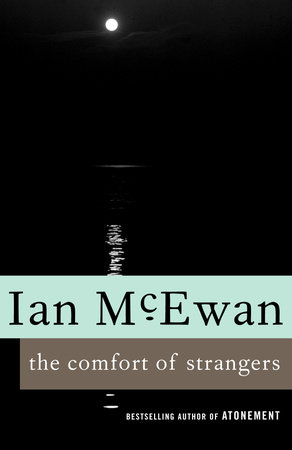
The Comfort of Strangers

Author Ian McEwan
Look inside
Paperback
$17.00 US
On sale Nov 01, 1994 | 128 Pages | 9780679749844

Finalist for the Man Booker Prize 

On vacation in a city that may or may not be Venice, Mary and Colin are growing weary of each other, lost among the city's ancient, endlessly winding streets. Then one night, on their way to a late dinner, they meet a stranger named Robert. Forceful, insistent, perhaps too forthcoming, Robert leads them through the city—and away from their ordinary lives forever. Writing with psychological precision and a mesmerizing tone of inevitability, McEwan creates a classic tale of suspense and erotic menace.

"Every turn, every glimpse is another tightening of the noose. The evils of power and the power of evil are transmitted with a steely coolness, and in a prose that has a feline grace." —The Observer (London)
  • FINALIST | 1981
    Man Booker Prize
© Annalena McAfee
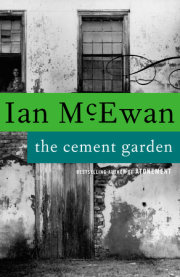
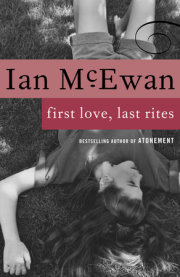
IAN MCEWAN is the critically acclaimed author of nineteen novels and two short story collections. His first published work, a collection of short stories, First Love, Last Rites, won the Somerset Maugham Award. His novels include The Child in Time, which won the 1987 Whitbread Novel of the Year Award; The Cement Garden; Enduring Love; Amsterdam, which won the 1998 Booker Prize; Atonement; Saturday; On Chesil Beach; Solar; Sweet Tooth; The Children Act; Nutshell; and Machines Like Me, which was a number-one bestseller. Atonement, Enduring Love, The Children Act and On Chesil Beach have all been adapted for the big screen.

ianmcewan.com View titles by Ian McEwan
"As the best young writer on this island, McEwan's evocations of feeling and place and his analysis of mood and relationship remain haunting and compelling." —The Times (London)

"As always, McEwan manages his own idiom with remarkable grace and inventiveness; his characters are at home in their dreams, and so is he." —The Guardian

"The Maestro." —New Statesman

"McEwan has—a style and a vision of life of his own...No one interested in the state and mood of contemporary Britain can afford not to read him." —John Fowles

"A sparkling and adventurous writer." —Dennis Potter

“McEwan, that master of the taciturn macabre, so organizes his narrative that, without insisting anything, every turn and glimpse is another tightening of the noose. The evils of power and the power of evil are transmitted with a steely coolness, and in a prose that has a feline grace.” —Observer

About

Finalist for the Man Booker Prize 

On vacation in a city that may or may not be Venice, Mary and Colin are growing weary of each other, lost among the city's ancient, endlessly winding streets. Then one night, on their way to a late dinner, they meet a stranger named Robert. Forceful, insistent, perhaps too forthcoming, Robert leads them through the city—and away from their ordinary lives forever. Writing with psychological precision and a mesmerizing tone of inevitability, McEwan creates a classic tale of suspense and erotic menace.

"Every turn, every glimpse is another tightening of the noose. The evils of power and the power of evil are transmitted with a steely coolness, and in a prose that has a feline grace." —The Observer (London)

Awards

  • FINALIST | 1981
    Man Booker Prize

Author

© Annalena McAfee
IAN MCEWAN is the critically acclaimed author of nineteen novels and two short story collections. His first published work, a collection of short stories, First Love, Last Rites, won the Somerset Maugham Award. His novels include The Child in Time, which won the 1987 Whitbread Novel of the Year Award; The Cement Garden; Enduring Love; Amsterdam, which won the 1998 Booker Prize; Atonement; Saturday; On Chesil Beach; Solar; Sweet Tooth; The Children Act; Nutshell; and Machines Like Me, which was a number-one bestseller. Atonement, Enduring Love, The Children Act and On Chesil Beach have all been adapted for the big screen.

ianmcewan.com View titles by Ian McEwan

Praise

"As the best young writer on this island, McEwan's evocations of feeling and place and his analysis of mood and relationship remain haunting and compelling." —The Times (London)

"As always, McEwan manages his own idiom with remarkable grace and inventiveness; his characters are at home in their dreams, and so is he." —The Guardian

"The Maestro." —New Statesman

"McEwan has—a style and a vision of life of his own...No one interested in the state and mood of contemporary Britain can afford not to read him." —John Fowles

"A sparkling and adventurous writer." —Dennis Potter

“McEwan, that master of the taciturn macabre, so organizes his narrative that, without insisting anything, every turn and glimpse is another tightening of the noose. The evils of power and the power of evil are transmitted with a steely coolness, and in a prose that has a feline grace.” —Observer