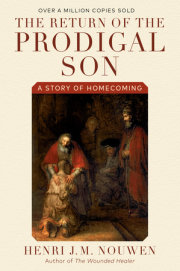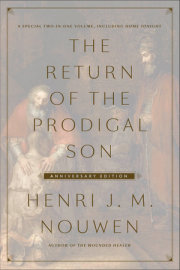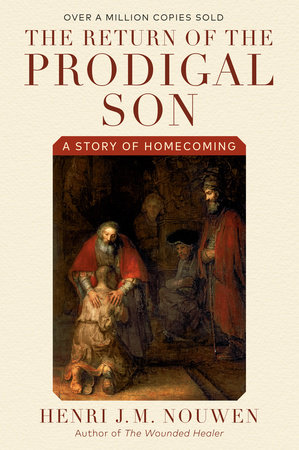

The beloved spiritual writer meditates on the parable of the prodigal son's return -- a powerful drama of fatherhood, filial duty, rivalry, and anger between brothers -- and its enduring lessons for Christianity.
Henri J.M. Nouwen was a Dutch-born Catholic priest, professor, and pastor, who gained international renown as the author of over 30 books on the spiritual life, including such classics as The Wounded Healer, The Inner Voice of Love, and Reaching Out. Nouwen's books have been translated into more than 30 languages and have sold upwards of seven million copies worldwide, resonating with people across the religious, spiritual, cultural, and political spectrum. Since his death in 1996, ever-increasing numbers of readers, writers, teachers, and seekers have been guided by his literary legacy. View titles by Henri J. M. Nouwen
"The Return of the Prodigal Son is a beautiful book, as beautiful in the simple clarity of its wisdom as in the terrible beauty of the transformation to which it calls us.”—New Oxford Review

About

The beloved spiritual writer meditates on the parable of the prodigal son's return -- a powerful drama of fatherhood, filial duty, rivalry, and anger between brothers -- and its enduring lessons for Christianity.

Author

Henri J.M. Nouwen was a Dutch-born Catholic priest, professor, and pastor, who gained international renown as the author of over 30 books on the spiritual life, including such classics as The Wounded Healer, The Inner Voice of Love, and Reaching Out. Nouwen's books have been translated into more than 30 languages and have sold upwards of seven million copies worldwide, resonating with people across the religious, spiritual, cultural, and political spectrum. Since his death in 1996, ever-increasing numbers of readers, writers, teachers, and seekers have been guided by his literary legacy. View titles by Henri J. M. Nouwen

Praise

"The Return of the Prodigal Son is a beautiful book, as beautiful in the simple clarity of its wisdom as in the terrible beauty of the transformation to which it calls us.”—New Oxford Review