
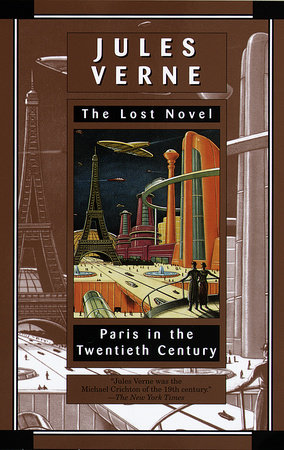



Paris in the Twentieth Century

The Lost Novel

Look inside
Paperback
$15.00 US
On sale Oct 21, 1997 | 256 Pages | 9780345420398

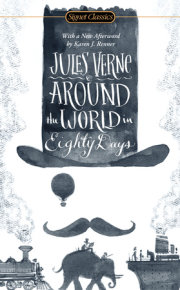
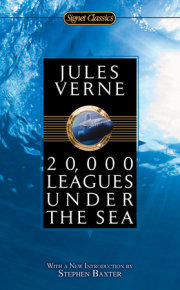
In 1863 Jules Verne, famed author of 20,000 Leagues Under the Sea and Around the World in Eighty Days, wrote a novel that his literary agent deemed too farfetched to be published. More than one hundred years later, his great-grandson found the handwritten, never-before published manuscript in a safe. That manuscript was Paris in the Twentieth Century, an astonishingly prophetic view into the future by one of the most renowned science fiction writers of our time.

Paris in the Twentieth Century is an astonishingly prophetic view of the future. Business and technology rule the world.  This novel depicts a society that has been given over to these inhuman masters, and in doing so, predicts rule by noisy automobiles, electric lights, mass transit, fax machines, computers, and calculators.
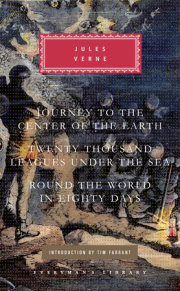
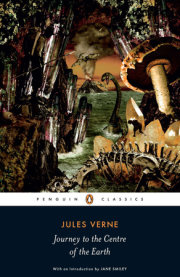
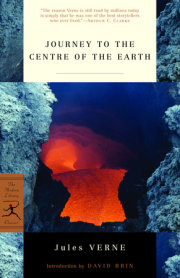
Jules Verne was born in France in 1828 and died in 1905. His collaboration with the publisher Pierre-Jules Hetzel was wildly successful, producing many brilliant novels in the burgeoning genre of science fiction: 20,000 Leagues Under the Sea, Journey to the Center of the Earth, and Around the World in 80 Days, among others. Verne is the second most translated author in the world, after Agatha Christie and before Shakespeare. View titles by Jules Verne
“Jules Verne was the Michael Crichton of the 19th century.”The New York Times

“For anyone interested in the history of speculative fiction . . . this book is an absolute necessity.”—Ray Bradbury

“Verne's Paris is a bustling, overcrowded metropolis teeming with starving homeless and ‘vehicles that passed on paved roads and moved without horses.’ Years before they would be invented, Verne has imagined elevators and faxmachines. It was a vision Verne's editor flatly rejected. Contemporary readers know better.”People

“An excellent extrapolation, founded on 19th-century technical novelties, of a future culture.”The Washington Post Book World

“Verne published nearly seventy books, many of them now considered classics. But this little jewel catches him just reaching stride as a writer of science fiction, a genre that he, of course, helped put on the literary map.”The Denver Post

About

In 1863 Jules Verne, famed author of 20,000 Leagues Under the Sea and Around the World in Eighty Days, wrote a novel that his literary agent deemed too farfetched to be published. More than one hundred years later, his great-grandson found the handwritten, never-before published manuscript in a safe. That manuscript was Paris in the Twentieth Century, an astonishingly prophetic view into the future by one of the most renowned science fiction writers of our time.

Paris in the Twentieth Century is an astonishingly prophetic view of the future. Business and technology rule the world.  This novel depicts a society that has been given over to these inhuman masters, and in doing so, predicts rule by noisy automobiles, electric lights, mass transit, fax machines, computers, and calculators.

Author

Jules Verne was born in France in 1828 and died in 1905. His collaboration with the publisher Pierre-Jules Hetzel was wildly successful, producing many brilliant novels in the burgeoning genre of science fiction: 20,000 Leagues Under the Sea, Journey to the Center of the Earth, and Around the World in 80 Days, among others. Verne is the second most translated author in the world, after Agatha Christie and before Shakespeare. View titles by Jules Verne

Praise

“Jules Verne was the Michael Crichton of the 19th century.”The New York Times

“For anyone interested in the history of speculative fiction . . . this book is an absolute necessity.”—Ray Bradbury

“Verne's Paris is a bustling, overcrowded metropolis teeming with starving homeless and ‘vehicles that passed on paved roads and moved without horses.’ Years before they would be invented, Verne has imagined elevators and faxmachines. It was a vision Verne's editor flatly rejected. Contemporary readers know better.”People

“An excellent extrapolation, founded on 19th-century technical novelties, of a future culture.”The Washington Post Book World

“Verne published nearly seventy books, many of them now considered classics. But this little jewel catches him just reaching stride as a writer of science fiction, a genre that he, of course, helped put on the literary map.”The Denver Post