
The Broken Machine

Histories of Technology, Social Order, and the Self

Look inside
A cultural history of technological breakdown, social order, and the self in the modern Atlantic World.

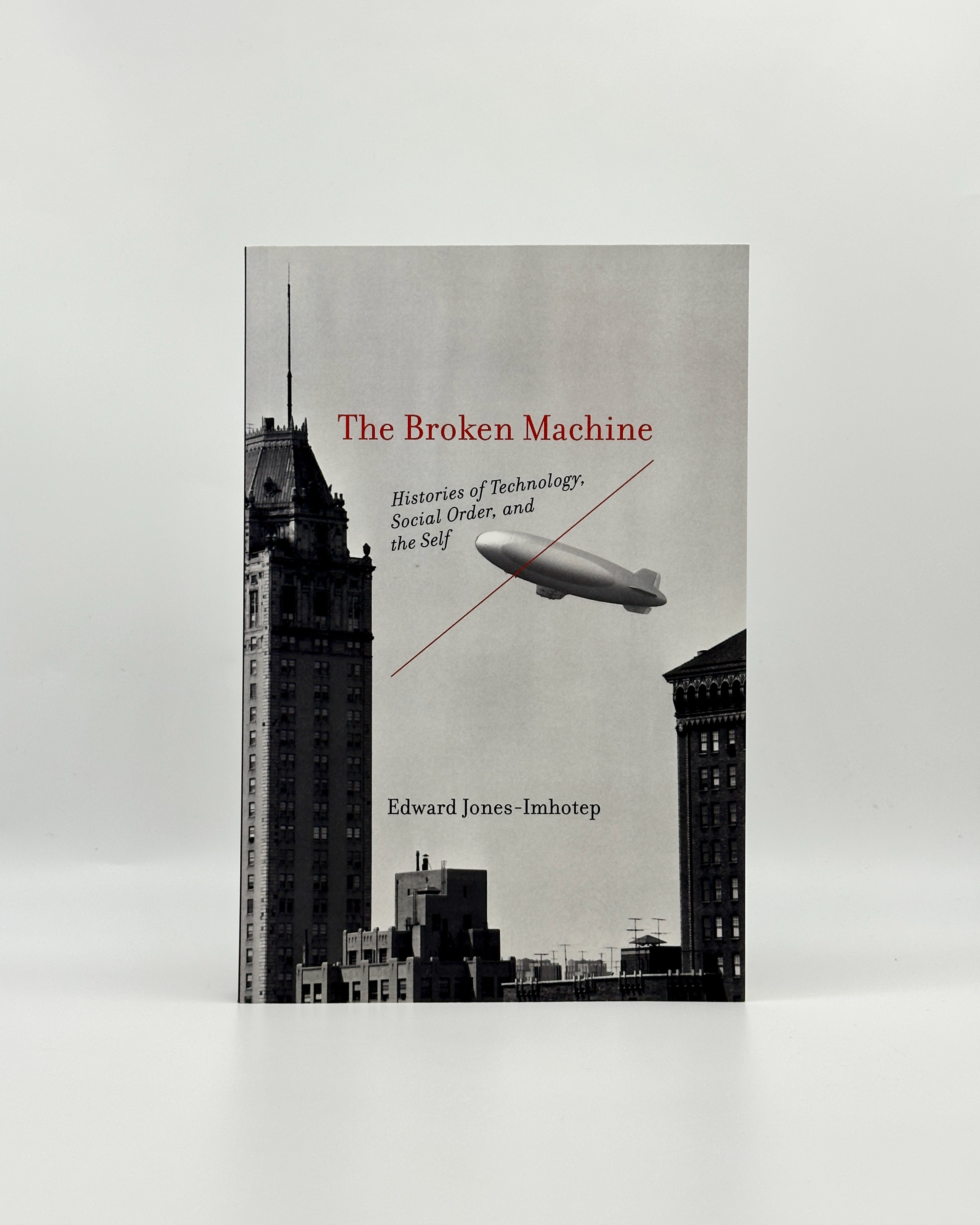
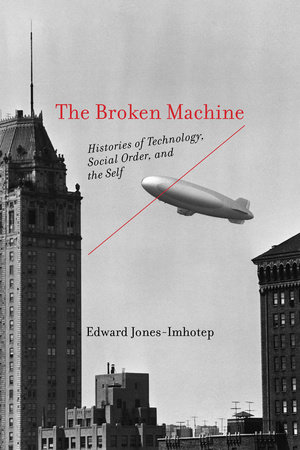
The Broken Machine explores the intertwined histories of breaking machines, social order, and the self in the modern Atlantic World. Edward Jones-Imhotep reveals how breakdowns are not the kinds of objects we imagine. More than just material failures or social disruptions, since the 18th century, breakdowns served as moments for defining a modern technological self and the core values of social order in Western democracies: what kinds of people belonged to it, what virtues they should possess, and who stood outside it.

Tracing this politics of breakdown and belonging across two centuries and two continents, the book rewrites five well-known episodes in the history of technology, influential histories that we thought we knew: the politics of the guillotine during the French Revolution, the causes of railway accidents and the rise of “systems” as a tool of self-responsibility and self-governance in Victorian Britain, the surprising antebellum history of breakdown in American slave cultures, the Gantt chart’s origins as a Progressive Era tool for linking failure as a condition of industrial machinery to failure as a kind of person in the US, and, finally, the electronic malfunctions during the Cold War that helped define the rational selves underpinning Western democracy.
Introduction
The Unfailing Machine: A Sentimental History of the Guillotine
Danger of Systems: Victorian Railways and the Limits of Responsibility
Breakdown
Birth of a Notation: Charting Human and Machine Failures in the Progressive Era
Minds and Machines: Cold War Electronics and the Crises of Complexity
Epilogue: Beyond Heidegger’s Hut
Bibliography
Edward Jones-Imhotep is Professor at Institute for the History and Philosophy of Science and Technology at University of Toronto.
ENDORSEMENTS

“Broken machines as engines of selves and social orders, plural and specific—this is technology studies at its daring and imaginative best.”
—Steven J. Jackson, Professor of Information Science and Science and Technology Studies, Cornell University

"Who knew that histories are written not by the relentless machine, but in its eloquent stutters? This book masterfully reveals how the jammed guillotine, the derailed train, and the misfired missile truly shape our world. Elegant, essential, and profoundly disruptive: a truly innovative insight on how technology actually happens."
—Dagmar Schäfer, Director, Max Planck Institute for the History of Science (MPIWG), Berlin; author of The Crafting of the 10,000 Things: Knowledge and Technology in Seventeenth-Century China

"This brilliant and relentless book takes apart the white innocence of the history of technology and the modern self. Jones-Imhotep masterfully poses alternative ways of technological being.”
—Tiago Saraiva, author of Fascist Pigs and The Orchard in the Ruins
additional book photo

About

A cultural history of technological breakdown, social order, and the self in the modern Atlantic World.

The Broken Machine explores the intertwined histories of breaking machines, social order, and the self in the modern Atlantic World. Edward Jones-Imhotep reveals how breakdowns are not the kinds of objects we imagine. More than just material failures or social disruptions, since the 18th century, breakdowns served as moments for defining a modern technological self and the core values of social order in Western democracies: what kinds of people belonged to it, what virtues they should possess, and who stood outside it.

Tracing this politics of breakdown and belonging across two centuries and two continents, the book rewrites five well-known episodes in the history of technology, influential histories that we thought we knew: the politics of the guillotine during the French Revolution, the causes of railway accidents and the rise of “systems” as a tool of self-responsibility and self-governance in Victorian Britain, the surprising antebellum history of breakdown in American slave cultures, the Gantt chart’s origins as a Progressive Era tool for linking failure as a condition of industrial machinery to failure as a kind of person in the US, and, finally, the electronic malfunctions during the Cold War that helped define the rational selves underpinning Western democracy.

Table of Contents

Introduction
The Unfailing Machine: A Sentimental History of the Guillotine
Danger of Systems: Victorian Railways and the Limits of Responsibility
Breakdown
Birth of a Notation: Charting Human and Machine Failures in the Progressive Era
Minds and Machines: Cold War Electronics and the Crises of Complexity
Epilogue: Beyond Heidegger’s Hut
Bibliography

Author

Edward Jones-Imhotep is Professor at Institute for the History and Philosophy of Science and Technology at University of Toronto.

Praise

ENDORSEMENTS

“Broken machines as engines of selves and social orders, plural and specific—this is technology studies at its daring and imaginative best.”
—Steven J. Jackson, Professor of Information Science and Science and Technology Studies, Cornell University

"Who knew that histories are written not by the relentless machine, but in its eloquent stutters? This book masterfully reveals how the jammed guillotine, the derailed train, and the misfired missile truly shape our world. Elegant, essential, and profoundly disruptive: a truly innovative insight on how technology actually happens."
—Dagmar Schäfer, Director, Max Planck Institute for the History of Science (MPIWG), Berlin; author of The Crafting of the 10,000 Things: Knowledge and Technology in Seventeenth-Century China

"This brilliant and relentless book takes apart the white innocence of the history of technology and the modern self. Jones-Imhotep masterfully poses alternative ways of technological being.”
—Tiago Saraiva, author of Fascist Pigs and The Orchard in the Ruins

Photos

additional book photo

Books for Asian American, Native Hawaiian, and Pacific Islander Heritage Month

Each May, we honor the stories, histories, and cultures of Asian Americans, Native Hawaiians, and Pacific Islanders. Below is a selection of acclaimed fiction and nonfiction books by AANHPI creators to share with your students this month and throughout the year. Find our full collection of titles for Higher Education here.

Read more