Books for Universal Human Rights Month
For Universal Human Rights Month in December, we are sharing a collection of books that educate on the importance of the fundamental rights and freedoms of all people. Find the full collection of titles here.
Across the United States, thousands of people, most of them in low-income or minority communities, live next to heavily polluting industrial sites. Many of them reach a point at which they say “Enough is enough.” After living for years with poisoned air and water, contaminated soil, and pollution-related health problems, they start to take action—organizing, speaking up, documenting the effects of pollution on their neighborhoods.
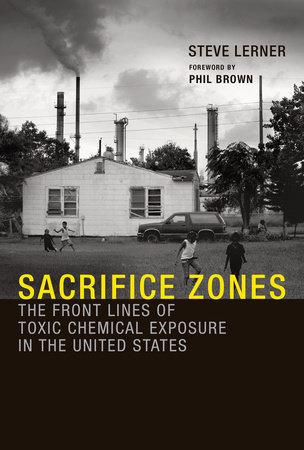
In Sacrifice Zones, Steve Lerner tells the stories of twelve communities, from Brooklyn to Pensacola, that rose up to fight the industries and military bases causing disproportionately high levels of chemical pollution. He calls these low-income neighborhoods “sacrifice zones.” And he argues that residents of these sacrifice zones, tainted with chemical pollutants, need additional regulatory protections.
Sacrifice Zones goes beyond the disheartening statistics and gives us the voices of the residents themselves, offering compelling portraits of accidental activists who have become grassroots leaders in the struggle for environmental justice and details the successful tactics they have used on the fenceline with heavy industry.

Across the United States, thousands of people, most of them in low-income or minority communities, live next to heavily polluting industrial sites. Many of them reach a point at which they say “Enough is enough.” After living for years with poisoned air and water, contaminated soil, and pollution-related health problems, they start to take action—organizing, speaking up, documenting the effects of pollution on their neighborhoods.
In Sacrifice Zones, Steve Lerner tells the stories of twelve communities, from Brooklyn to Pensacola, that rose up to fight the industries and military bases causing disproportionately high levels of chemical pollution. He calls these low-income neighborhoods “sacrifice zones.” And he argues that residents of these sacrifice zones, tainted with chemical pollutants, need additional regulatory protections.
Sacrifice Zones goes beyond the disheartening statistics and gives us the voices of the residents themselves, offering compelling portraits of accidental activists who have become grassroots leaders in the struggle for environmental justice and details the successful tactics they have used on the fenceline with heavy industry.
For Universal Human Rights Month in December, we are sharing a collection of books that educate on the importance of the fundamental rights and freedoms of all people. Find the full collection of titles here.