Books for Arab American Heritage Month
In honor of Arab American Heritage Month in April, we are sharing books by Arab and Arab American authors that share their culture, history, and personal lives.
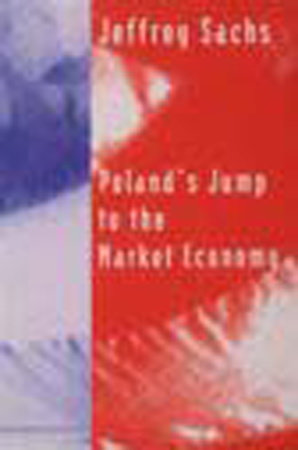
In Poland's jump to the Market Economy, Jeffrey Sachs provides an insider's analysis of the political events and economic strategy behind the country's swift transition to capitalism and democracy. The greatest challenges to economic reform, Sachs points out, have been primarily political in nature, rather than social or even economic. Sachs reviews Poland's striking progress since the start of the economic reforms three years ago, which he helped to design. He discusses the gains - more than half of employment and GDP is now in the private sector, exports to Western Europe have more than doubled, and economic growth and confidence are returning - as well as the serious problems that remain - high unemployment, a chronic fiscal deficit, the slow pace of privatization of large industrial enterprises, and the fragility of multiparty coalition governments.Sachs points out that leadership is crucial to economic reform in a newly democratic setting, as is the West's timely economic assistance. In Poland's case, the Zloty Stabilization Fund and the two-stage debt cancellation have been essential to keeping the reform program on track. Poland's example has had a powerful impact on reforms throughout the region, including the former Soviet Union, and has done much to dispel the fear that the citizens themselves, allegedly made lazy by decades of socialism, would reject the competitive rigors of a market economy. Overall, Sachs remains firmly convinced of the potential for successful economic reforms in Poland and the rest of the region.
In honor of Arab American Heritage Month in April, we are sharing books by Arab and Arab American authors that share their culture, history, and personal lives.
For National Poetry Month in April, we are sharing poetry collections and books about poetry by authors who have their own stories to tell. These poets delve into history, reimagine the present, examine poetry itself—from traditional poems many know and love to poems and voices that are new and original.