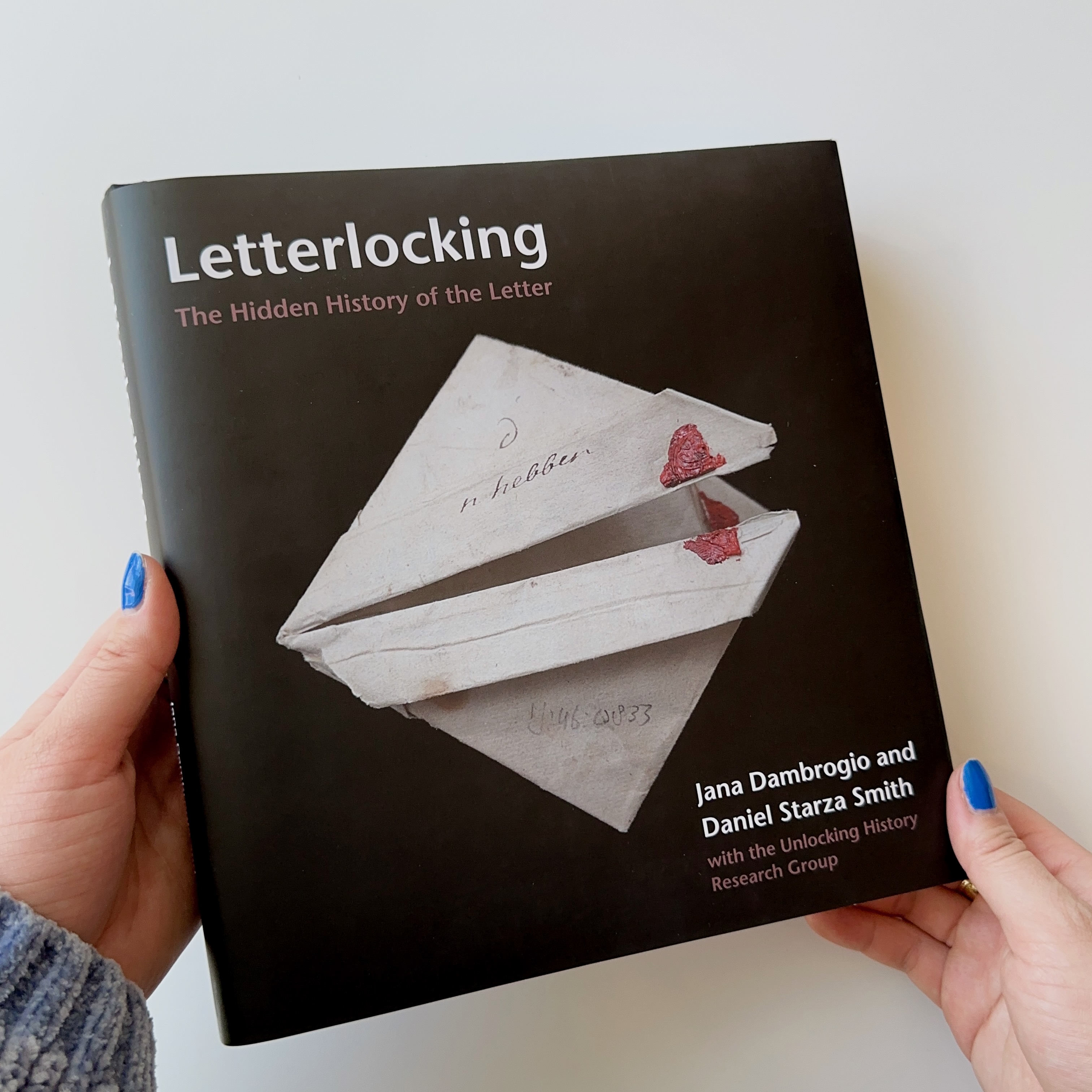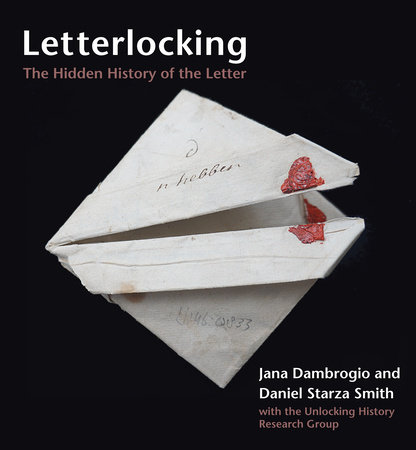

The rich history of a centuries-old document security technology—folding and securing a letter into its own envelope for delivery—and a comprehensive guide to learning how to make your own locked letters.

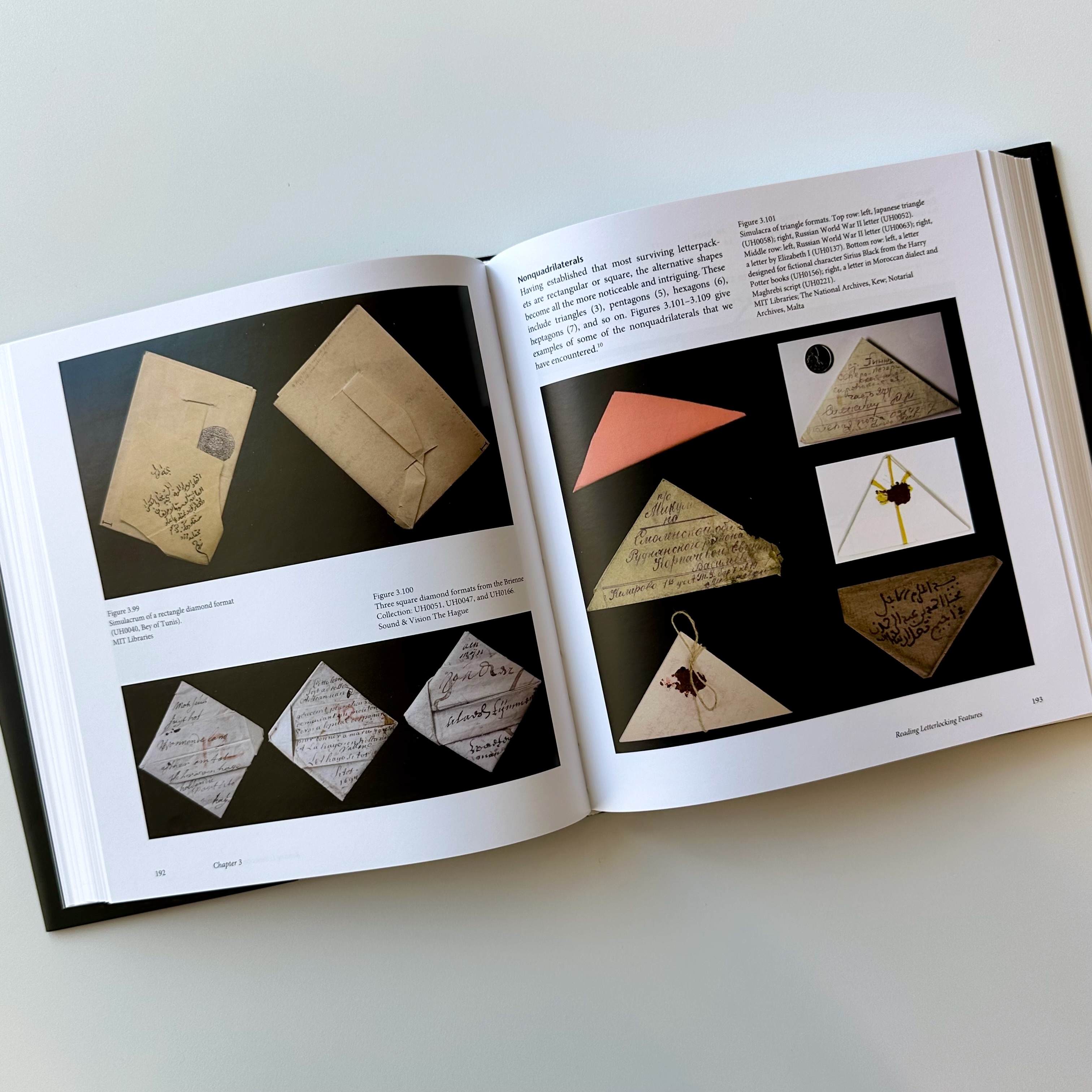
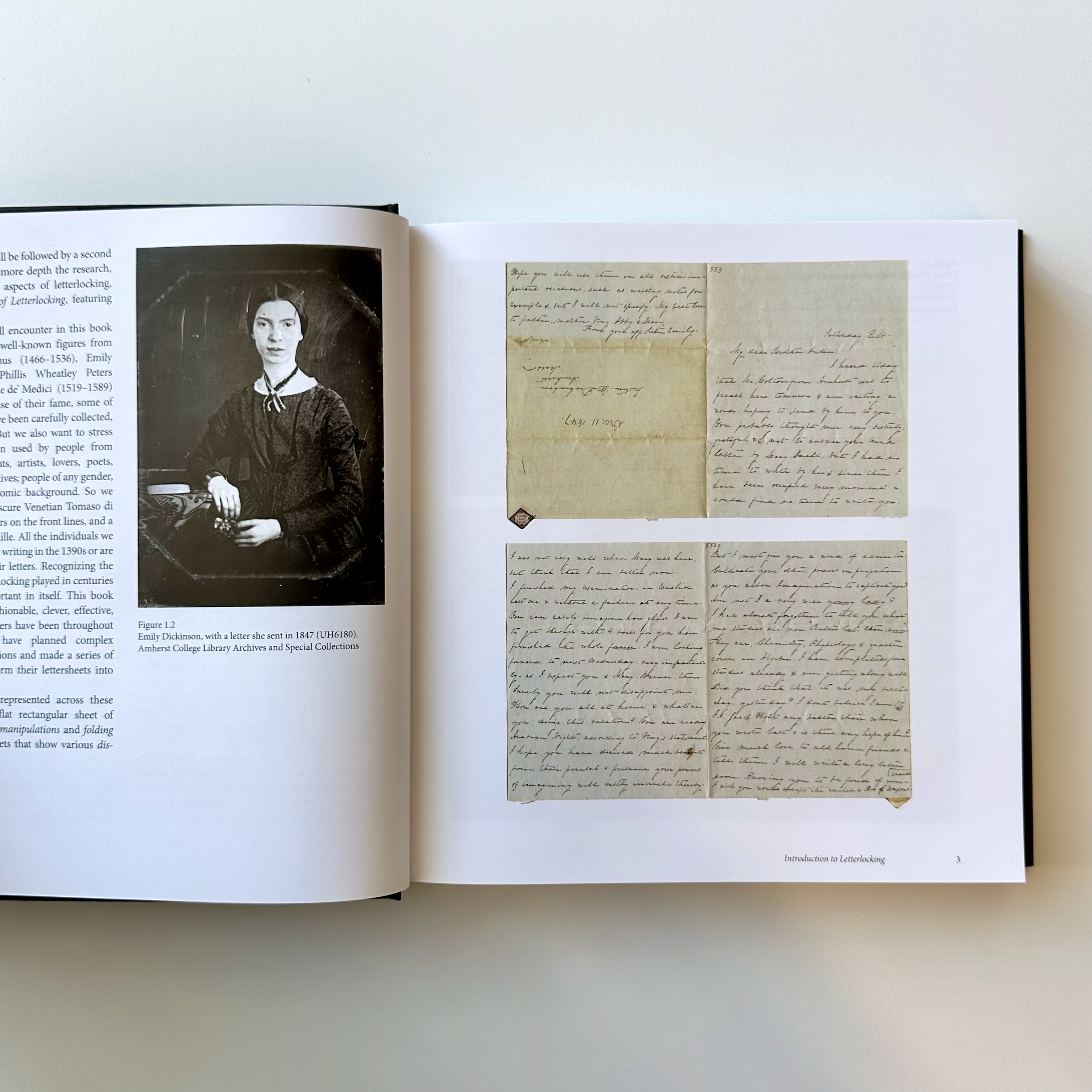
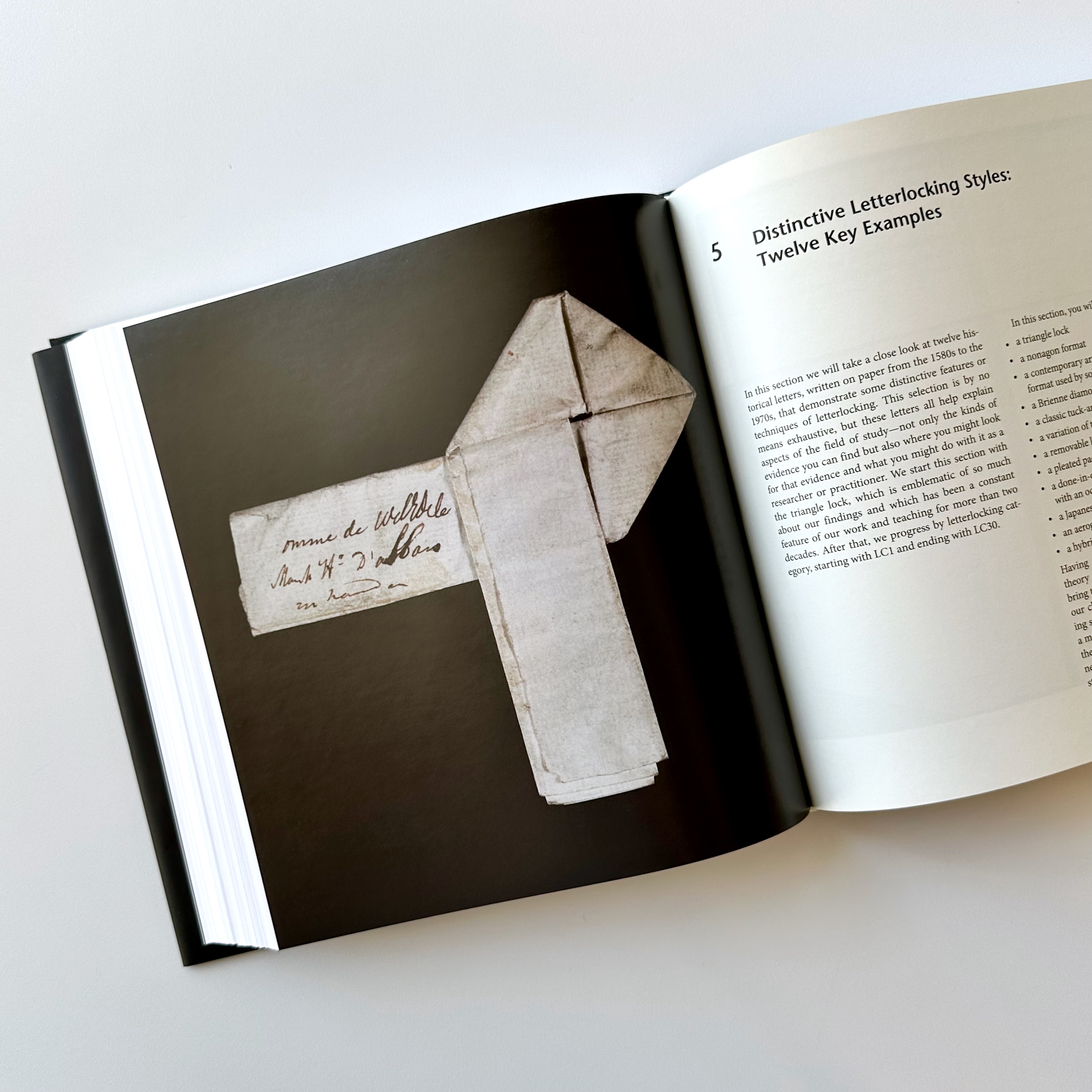
Before the invention of the gummed envelope in the 1830s, how did people secure their private letters? The answer is letterlocking—the ingenious process of securing a letter using a combination of folds, tucks, slits, or adhesives such as sealing wax, so that it becomes its own envelope. This almost entirely forgotten practice, used by historical figures ranging from Elizabeth I and her spies to Japanese samurai lords, was an everyday activity for centuries, across cultures, borders, and social classes. In Letterlocking, Jana Dambrogio and Daniel Starza Smith, experts who have pioneered the field over the last ten years, tell the fascinating story of letterlocking within epistolary history, drawing on real historical examples from all over the world.

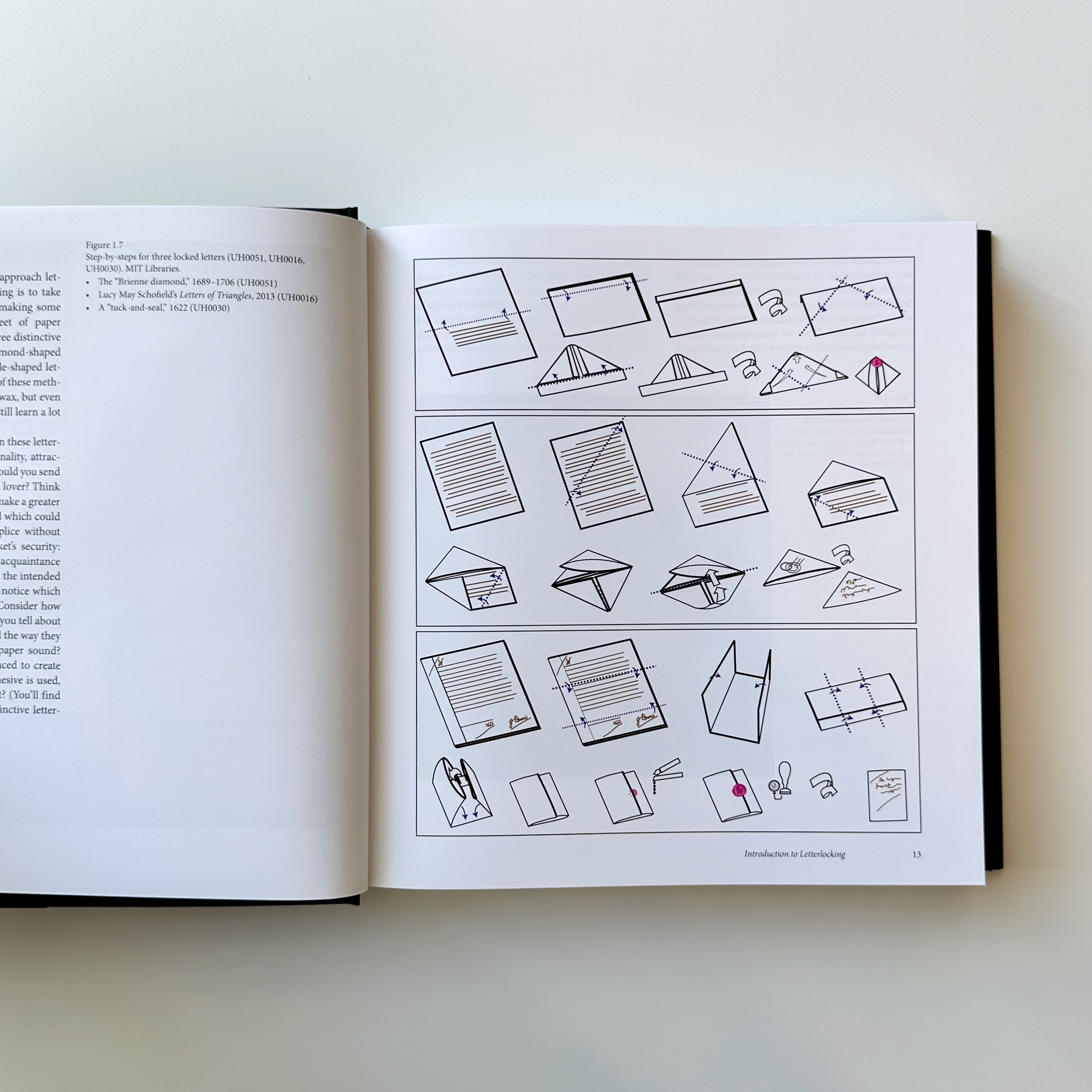
Fully illustrated with more than 300 images and diagrams, including a dictionary of sixty technical terms and concepts, Letterlocking describes the essential precepts of the practice and provides sources of practical support needed for beginner and advanced users of letterlocking. The authors also advocate for the understanding of letterlocking and for its inclusion in a range of intellectual and cultural research, from conservation science and archival databases to historical television shows. By the end of the book, readers will learn how to make locked letters, study letters that may have been locked, and categorize those letters using systems the authors developed while studying more than 250,000 historic letters.

Letterlocking is accompanied by a website, freely accessible scholarly articles, and instructional videos and diagrams, as well as foldable tear-out sheets with instructions on how to fold and lock models of extant historical letters.
Contents
Keys: How to Use this Book
1 Introduction to Letterlocking
2 Building the Story of Letterlocking
3 Reading Letterlocking Features
4 Locking Mechanisms, Security, and Authentication
5 Distinctive Letterlocking Styles Twelve Key Examples
6 Conclusions and Next Steps
Acknowledgments
Foldable Cut-Outs
Appendix: Letters, Models, and Videos
Glossary: 50 Concepts from The Dictionary of Letterlocking
Notes
Bibliography
Illustration Credits
Index
Jana Dambrogio is Thomas F. Peterson (1957) Conservator for Massachusetts Institute of Technology Libraries. She previously held positions at the US National Archives, the United Nations, and the Vatican Apostolic Archives.

Daniel Starza Smith is Senior Lecturer in Early Modern English Literature at King’s College London. His books include John Donne and the Conway Papers and (with coeditor Joshua Eckhardt) Manuscript Miscellanies in Early Modern England. He is General Editor of the correspondence of John Donne for Oxford University Press.

Dambrogio and Smith are founders of the Unlocking History Research Group (letterlocking.org), an international and interdisciplinary team of experts dedicated to studying and preserving historical communication technologies.
“Excellent… This book is not only for academics: Step-by-step diagrams provide a how-to for those looking to lock their own letters. Pass a note to a friend, or foe, in one neat package.”
The Wall Street Journal

“A serious object of interdisciplinary study... The book is both a foundational text and a hands-on guide, featuring over 300 diagrams and a dictionary of sixty technical terms... A boon for research and conservation.”
Fine Books & Collections

Letterlocking is a meticulously researched and excellent piece of scholarship, which provides the first comprehensive analysis of the field of letterlocking. It is a very handsome volume that is both engaging and well-written.”
Review of English Studies

“[A] truly monumental research effort… Incredible breadth and quality of work.”
—Journal of the American Institute for Conservation

“The authors give a masterly analysis of the many methods used in letterlocking… This fascinating history is beautifully illustrated and includes a DIY section for present-day emulators."
The Times Literary Supplement

“A remarkable, analytical survey of the astonishing variety of techniques devised, from the Middle Ages to the present day, to render epistolary communications secure.”
The Seventeenth Century

“This book is a real labor of love, created alongside a fantastic website by a team of conservators, palaeographers, literary scholars, historians, publishers, book artists, imaging experts, engineers, and scientists who are interested in the historical practice of letterlocking with a view to ensuring letters are preserved and conserved properly and studied to reveal the secrets hidden in their folds.”
Archives and Records

Letterlocking is a monumental publication from two scholars who have pioneered the field over the past decade. Its high production value, interactivity, and cross-media supporting resources combine with rigorous scholarly research to result in a pivotal work that is invaluable to scholars interested in epistolary history.”
—Voltaire Foundation
additional book photo

About

The rich history of a centuries-old document security technology—folding and securing a letter into its own envelope for delivery—and a comprehensive guide to learning how to make your own locked letters.

Before the invention of the gummed envelope in the 1830s, how did people secure their private letters? The answer is letterlocking—the ingenious process of securing a letter using a combination of folds, tucks, slits, or adhesives such as sealing wax, so that it becomes its own envelope. This almost entirely forgotten practice, used by historical figures ranging from Elizabeth I and her spies to Japanese samurai lords, was an everyday activity for centuries, across cultures, borders, and social classes. In Letterlocking, Jana Dambrogio and Daniel Starza Smith, experts who have pioneered the field over the last ten years, tell the fascinating story of letterlocking within epistolary history, drawing on real historical examples from all over the world.

Fully illustrated with more than 300 images and diagrams, including a dictionary of sixty technical terms and concepts, Letterlocking describes the essential precepts of the practice and provides sources of practical support needed for beginner and advanced users of letterlocking. The authors also advocate for the understanding of letterlocking and for its inclusion in a range of intellectual and cultural research, from conservation science and archival databases to historical television shows. By the end of the book, readers will learn how to make locked letters, study letters that may have been locked, and categorize those letters using systems the authors developed while studying more than 250,000 historic letters.

Letterlocking is accompanied by a website, freely accessible scholarly articles, and instructional videos and diagrams, as well as foldable tear-out sheets with instructions on how to fold and lock models of extant historical letters.

Table of Contents

Contents
Keys: How to Use this Book
1 Introduction to Letterlocking
2 Building the Story of Letterlocking
3 Reading Letterlocking Features
4 Locking Mechanisms, Security, and Authentication
5 Distinctive Letterlocking Styles Twelve Key Examples
6 Conclusions and Next Steps
Acknowledgments
Foldable Cut-Outs
Appendix: Letters, Models, and Videos
Glossary: 50 Concepts from The Dictionary of Letterlocking
Notes
Bibliography
Illustration Credits
Index

Author

Jana Dambrogio is Thomas F. Peterson (1957) Conservator for Massachusetts Institute of Technology Libraries. She previously held positions at the US National Archives, the United Nations, and the Vatican Apostolic Archives.

Daniel Starza Smith is Senior Lecturer in Early Modern English Literature at King’s College London. His books include John Donne and the Conway Papers and (with coeditor Joshua Eckhardt) Manuscript Miscellanies in Early Modern England. He is General Editor of the correspondence of John Donne for Oxford University Press.

Dambrogio and Smith are founders of the Unlocking History Research Group (letterlocking.org), an international and interdisciplinary team of experts dedicated to studying and preserving historical communication technologies.

Praise

“Excellent… This book is not only for academics: Step-by-step diagrams provide a how-to for those looking to lock their own letters. Pass a note to a friend, or foe, in one neat package.”
The Wall Street Journal

“A serious object of interdisciplinary study... The book is both a foundational text and a hands-on guide, featuring over 300 diagrams and a dictionary of sixty technical terms... A boon for research and conservation.”
Fine Books & Collections

Letterlocking is a meticulously researched and excellent piece of scholarship, which provides the first comprehensive analysis of the field of letterlocking. It is a very handsome volume that is both engaging and well-written.”
Review of English Studies

“[A] truly monumental research effort… Incredible breadth and quality of work.”
—Journal of the American Institute for Conservation

“The authors give a masterly analysis of the many methods used in letterlocking… This fascinating history is beautifully illustrated and includes a DIY section for present-day emulators."
The Times Literary Supplement

“A remarkable, analytical survey of the astonishing variety of techniques devised, from the Middle Ages to the present day, to render epistolary communications secure.”
The Seventeenth Century

“This book is a real labor of love, created alongside a fantastic website by a team of conservators, palaeographers, literary scholars, historians, publishers, book artists, imaging experts, engineers, and scientists who are interested in the historical practice of letterlocking with a view to ensuring letters are preserved and conserved properly and studied to reveal the secrets hidden in their folds.”
Archives and Records

Letterlocking is a monumental publication from two scholars who have pioneered the field over the past decade. Its high production value, interactivity, and cross-media supporting resources combine with rigorous scholarly research to result in a pivotal work that is invaluable to scholars interested in epistolary history.”
—Voltaire Foundation

Photos

additional book photo

Books for Asian American, Native Hawaiian, and Pacific Islander Heritage Month

Each May, we honor the stories, histories, and cultures of Asian Americans, Native Hawaiians, and Pacific Islanders. Below is a selection of acclaimed fiction and nonfiction books by AANHPI creators to share with your students this month and throughout the year. Find our full collection of titles for Higher Education here.

Read more