
Books for Jewish American Heritage Month
In celebration of Jewish American Heritage Month in May, we are sharing books by authors who share their individual stories, experiences, and lives. Find our full collection of books here.


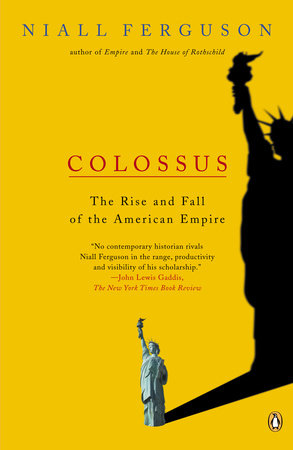
Nonsense, says Niall Ferguson. In Colossus he argues that in both military and economic terms America is nothing less than the most powerful empire the world has ever seen. Just like the British Empire a century ago, the United States aspires to globalize free markets, the rule of law, and representative government. In theory it’s a good project, says Ferguson. Yet Americans shy away from the long-term commitments of manpower and money that are indispensable if rogue regimes and failed states really are to be changed for the better. Ours, he argues, is an empire with an attention deficit disorder, imposing ever more unrealistic timescales on its overseas interventions. Worse, it’s an empire in denial—a hyperpower that simply refuses to admit the scale of its global responsibilities. And the negative consequences will be felt at home as well as abroad. In an alarmingly persuasive final chapter Ferguson warns that this chronic myopia also applies to our domestic responsibilities. When overstretch comes, he warns, it will come from within—and it will reveal that more than just the feet of the American colossus is made of clay.
Part I—Rise
1. The Limits of the American Empire
2. The Imperialism of Anti-Imperialism
3. The Civilization of Clashes
4. Splendid Multilateralism
Part II—Fall?
5. The Case for Liberal Empire
6. Going Home or Organizing Hypocrisy
7. "Impire": Europe Between Brussels and Byzantium
8. The Closing Door
Conclusion: Looking Homeward
Statistical Appendix
Acknowledgments
Notes
Bibliography
Index
"Amid the seemingly endless writings and decisions about ‘America as Empire,’ the most prominent recent voice is that of Niall Ferguson." —Paul Kennedy, New York Review of Books
Nonsense, says Niall Ferguson. In Colossus he argues that in both military and economic terms America is nothing less than the most powerful empire the world has ever seen. Just like the British Empire a century ago, the United States aspires to globalize free markets, the rule of law, and representative government. In theory it’s a good project, says Ferguson. Yet Americans shy away from the long-term commitments of manpower and money that are indispensable if rogue regimes and failed states really are to be changed for the better. Ours, he argues, is an empire with an attention deficit disorder, imposing ever more unrealistic timescales on its overseas interventions. Worse, it’s an empire in denial—a hyperpower that simply refuses to admit the scale of its global responsibilities. And the negative consequences will be felt at home as well as abroad. In an alarmingly persuasive final chapter Ferguson warns that this chronic myopia also applies to our domestic responsibilities. When overstretch comes, he warns, it will come from within—and it will reveal that more than just the feet of the American colossus is made of clay.
Part I—Rise
1. The Limits of the American Empire
2. The Imperialism of Anti-Imperialism
3. The Civilization of Clashes
4. Splendid Multilateralism
Part II—Fall?
5. The Case for Liberal Empire
6. Going Home or Organizing Hypocrisy
7. "Impire": Europe Between Brussels and Byzantium
8. The Closing Door
Conclusion: Looking Homeward
Statistical Appendix
Acknowledgments
Notes
Bibliography
Index
"Amid the seemingly endless writings and decisions about ‘America as Empire,’ the most prominent recent voice is that of Niall Ferguson." —Paul Kennedy, New York Review of Books
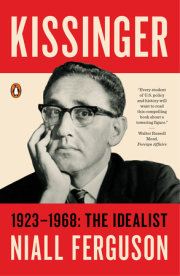
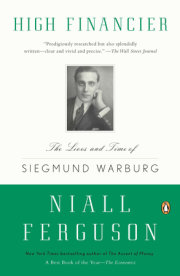
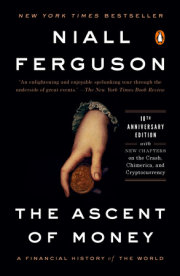
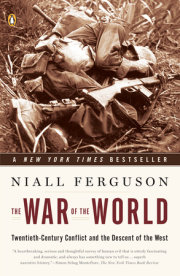
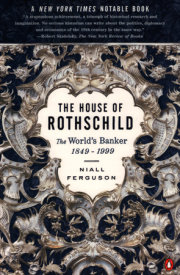
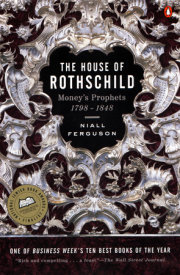
In celebration of Jewish American Heritage Month in May, we are sharing books by authors who share their individual stories, experiences, and lives. Find our full collection of books here.
For Mental Health Awareness Month in May, we are sharing books to educate and raise awareness about mental health and the various factors that may affect it, and to provide tools and resources for student wellness. Find our full collection of titles here.
Each May, we honor the stories, histories, and cultures of Asian Americans, Native Hawaiians, and Pacific Islanders. Below is a selection of acclaimed fiction and nonfiction books by AANHPI creators to share with your students this month and throughout the year. Find our full collection of titles for Higher Education here.