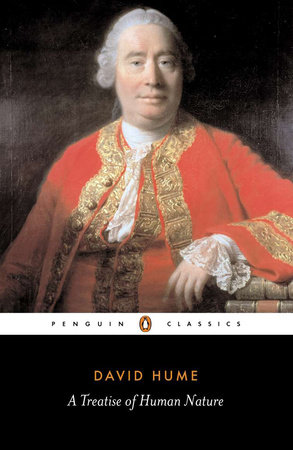

A Treatise of Human Nature

Being an Attempt to Introduce the Experimental Method of Reasoning into Mor

Author David Hume
Introduction by Ernest C. Mossner
Paperback
$17.00 US
On sale Feb 04, 1986 | 688 Pages | 9780140432442

One of the most significant works of Western philosophy, Hume's Treatise was published in 1739-40, before he was thirty years old. A pinnacle of English empiricism, it is a comprehensive attempt to apply scientific methods of observation to a study of human nature, and a vigorous attack upon the principles of traditional metaphysical thought. With masterly eloquence, Hume denies the immortality of the soul and the reality of space; considers the manner in which we form concepts of identity, cause and effect; and speculates upon the nature of freedom, virtue and emotion. Opposed both to metaphysics and to rationalism, Hume's philosophy of informed scepticism sees man not as a religious creation, nor as a machine, but as a creature dominated by sentiment, passion and appetite.

For more than seventy years, Penguin has been the leading publisher of classic literature in the English-speaking world. With more than 1,700 titles, Penguin Classics represents a global bookshelf of the best works throughout history and across genres and disciplines. Readers trust the series to provide authoritative texts enhanced by introductions and notes by distinguished scholars and contemporary authors, as well as up-to-date translations by award-winning translators.
A Treatise of Human Nature Introduction
Suggestions for Further Reading
A Note on the Text

A TREATISE OF HUMAN NATURE
Advertisement
The Contents
Introduction
Book I: Of the Understanding
Book II: Of the Passions
Book III: Of Morals
David Hume (1711-76) was born in Edinburgh and devoted himself to philosophy and literature from an early age. In 1739-40, he published his now highly regarded work, A Treatise of Human Nature. He worked as a tutor, judge advocate, librarian, diplomat and senior civil servant, as well as writing further works such as Dialogues Concerning Natural Religion and a six-volume History of England. View titles by David Hume

About

One of the most significant works of Western philosophy, Hume's Treatise was published in 1739-40, before he was thirty years old. A pinnacle of English empiricism, it is a comprehensive attempt to apply scientific methods of observation to a study of human nature, and a vigorous attack upon the principles of traditional metaphysical thought. With masterly eloquence, Hume denies the immortality of the soul and the reality of space; considers the manner in which we form concepts of identity, cause and effect; and speculates upon the nature of freedom, virtue and emotion. Opposed both to metaphysics and to rationalism, Hume's philosophy of informed scepticism sees man not as a religious creation, nor as a machine, but as a creature dominated by sentiment, passion and appetite.

For more than seventy years, Penguin has been the leading publisher of classic literature in the English-speaking world. With more than 1,700 titles, Penguin Classics represents a global bookshelf of the best works throughout history and across genres and disciplines. Readers trust the series to provide authoritative texts enhanced by introductions and notes by distinguished scholars and contemporary authors, as well as up-to-date translations by award-winning translators.

Table of Contents

A Treatise of Human Nature Introduction
Suggestions for Further Reading
A Note on the Text

A TREATISE OF HUMAN NATURE
Advertisement
The Contents
Introduction
Book I: Of the Understanding
Book II: Of the Passions
Book III: Of Morals

Author

David Hume (1711-76) was born in Edinburgh and devoted himself to philosophy and literature from an early age. In 1739-40, he published his now highly regarded work, A Treatise of Human Nature. He worked as a tutor, judge advocate, librarian, diplomat and senior civil servant, as well as writing further works such as Dialogues Concerning Natural Religion and a six-volume History of England. View titles by David Hume

Books for Women’s History Month

In honor of Women’s History Month in March, we are sharing books by women who have shaped history and have fought for their communities. Our list includes books about women who fought for racial justice, abortion rights, equality in the workplace, and ranges in topics from women in politics and prominent women in history to

Read more