
Books for Jewish American Heritage Month
In celebration of Jewish American Heritage Month in May, we are sharing books by authors who share their individual stories, experiences, and lives. Find our full collection of books here.


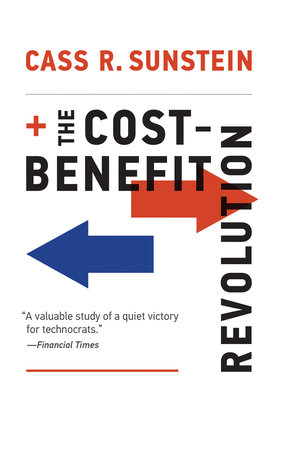
Opinions on government policies vary widely. Some people feel passionately about the child obesity epidemic and support government regulation of sugary drinks. Others argue that people should be able to eat and drink whatever they like. Some people are alarmed about climate change and favor aggressive government intervention. Others don't feel the need for any sort of climate regulation. In The Cost-Benefit Revolution, Cass Sunstein argues our major disagreements really involve facts, not values. It follows that government policy should not be based on public opinion, intuitions, or pressure from interest groups, but on numbers—meaning careful consideration of costs and benefits. Will a policy save one life, or one thousand lives? Will it impose costs on consumers, and if so, will the costs be high or negligible? Will it hurt workers and small businesses, and, if so, precisely how much?
As the Obama administration's “regulatory czar,” Sunstein knows his subject in both theory and practice. Drawing on behavioral economics and his well-known emphasis on “nudging,” he celebrates the cost-benefit revolution in policy making, tracing its defining moments in the Reagan, Clinton, and Obama administrations (and pondering its uncertain future in the Trump administration). He acknowledges that public officials often lack information about costs and benefits, and outlines state-of-the-art techniques for acquiring that information. Policies should make people's lives better. Quantitative cost-benefit analysis, Sunstein argues, is the best available method for making this happen—even if, in the future, new measures of human well-being, also explored in this book, may be better still.
Opinions on government policies vary widely. Some people feel passionately about the child obesity epidemic and support government regulation of sugary drinks. Others argue that people should be able to eat and drink whatever they like. Some people are alarmed about climate change and favor aggressive government intervention. Others don't feel the need for any sort of climate regulation. In The Cost-Benefit Revolution, Cass Sunstein argues our major disagreements really involve facts, not values. It follows that government policy should not be based on public opinion, intuitions, or pressure from interest groups, but on numbers—meaning careful consideration of costs and benefits. Will a policy save one life, or one thousand lives? Will it impose costs on consumers, and if so, will the costs be high or negligible? Will it hurt workers and small businesses, and, if so, precisely how much?
As the Obama administration's “regulatory czar,” Sunstein knows his subject in both theory and practice. Drawing on behavioral economics and his well-known emphasis on “nudging,” he celebrates the cost-benefit revolution in policy making, tracing its defining moments in the Reagan, Clinton, and Obama administrations (and pondering its uncertain future in the Trump administration). He acknowledges that public officials often lack information about costs and benefits, and outlines state-of-the-art techniques for acquiring that information. Policies should make people's lives better. Quantitative cost-benefit analysis, Sunstein argues, is the best available method for making this happen—even if, in the future, new measures of human well-being, also explored in this book, may be better still.
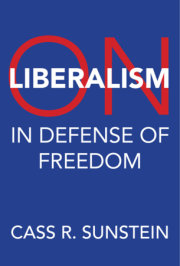
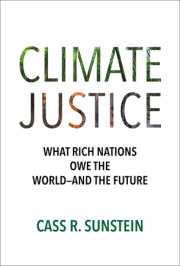
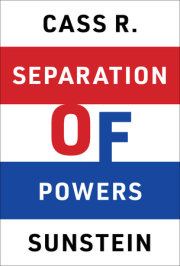
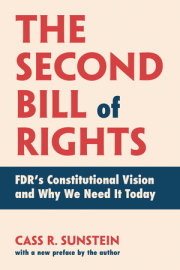
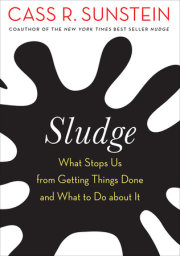
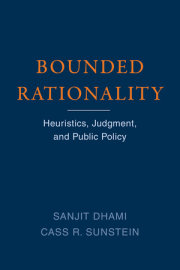
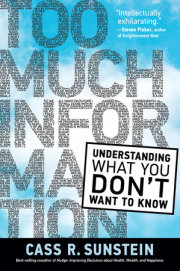
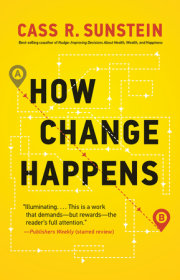
In celebration of Jewish American Heritage Month in May, we are sharing books by authors who share their individual stories, experiences, and lives. Find our full collection of books here.
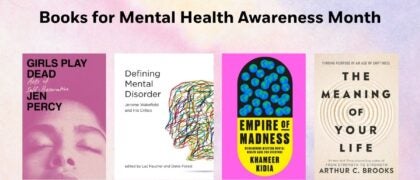
For Mental Health Awareness Month in May, we are sharing books to educate and raise awareness about mental health and the various factors that may affect it, and to provide tools and resources for student wellness. Find our full collection of titles here.
Each May, we honor the stories, histories, and cultures of Asian Americans, Native Hawaiians, and Pacific Islanders. Below is a selection of acclaimed fiction and nonfiction books by AANHPI creators to share with your students this month and throughout the year. Find our full collection of titles for Higher Education here.